| View |
| preceded by | ||||
|
||||

|
|||||||
 Kingdom of England (927-1649,1660-1707)
|
|||||||

| succeeded by | ||||
|

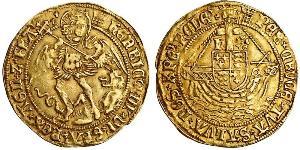
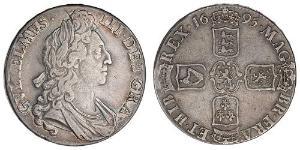
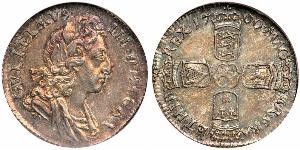
| Kingdom of England (927-1649,1660-1707) | Link to Wikipedia |
Kingdom of England: History, Coinage and Collectibles
Historical Background
The narrative arc of the Kingdom of England is one of profound transformation, shaped by a series of pivotal moments that defined European history. From its earliest Saxon roots to its consolidation under Plantagenet rule, the realm was not merely a political entity but an economic hub whose stability depended on trade and coinage. The Norman Conquest introduced new administrative rigor, centralizing power in ways that demanded reliable funding for armies and infrastructure. As commerce with Flanders and Hanseatic League grew during the Middle Ages, England established itself as a maritime powerhouse.
The economy was further reshaped by events such as the Black Death, which drastically altered labor value but also created opportunities for investment previously reserved for landowning aristocracy. This shift allowed new wealth to circulate through banking and trade networks that relied heavily on minted currency rather than barter or bullion alone. By the Tudor era, London had emerged not just as a capital city, but as the financial heart of an expanding network stretching across the globe.
Currency and Coinage History
The evolution of money in this region reflects the changing nature of state power and international commerce. Early Anglo-Saxon coinage was essentially a continuation of Continental Frankish currency, characterized by low silver content and local variation that made transactions difficult across borders. It took significant reform to create a standardized system acceptable from Dublin to Calais.
The introduction of gold into the equation came later but signaled England's maturity as a state capable of backing its own heavy-weight sovereigns against rivals like Spain or France. Silver became the backbone for daily commerce, with denominations ranging from the small half-penny up through the Groat and Noble, facilitating everything to market taxes and cross-channel trade agreements.
Mints and Coin Production
The mechanics of production tell a story as rich as the metal itself. While private mints operated under royal permission in earlier centuries, centralization eventually drew all authority back to the monarchs residing at London Tower or Westminster. These centers housed the skilled artisans who translated the King's image onto copper and silver.
The artistic progression within these workshops is remarkable for its narrative quality. Early designs featured abstract symbols of faith and local saints before evolving into portraits that communicated lineage directly. The transition from animal motifs to heraldic beasts, such as leopards representing authority in Norman times or the Tudor rose symbolizing peace after civil war, marks a distinct artistic shift toward political communication through portraiture.
Notable Coins
Certain issues stand out for their historical weight and aesthetic merit. The Long Cross Penny of the Edwardian period represents one such milestone; it utilized silver that was purer than previous standards, signaling a reformed mint with confidence in its economic policy. This coin serves as a tangible record of royal reforms intended to stabilize prices during times of fluctuating grain values.
Anglo-Saxon and early Norman pieces featuring the great cross and busts serve another distinct purpose; they are numismatic anchors for collectors seeking continuity through the Great Seal era, bridging ancient local traditions with emerging continental styles. Conversely, later Tudor gold coins like Sovereigns carry immense weight simply because their volume was massive enough to fund expeditions that would eventually build overseas territories.
The Half-Crown of Elizabeth I is another prime example where art and economy intersected seamlessly. Its size made it a practical unit for merchants traveling abroad, while its mint marks offer clues about production efficiency at different Tower mints or foreign facilities utilized during peak trade years. Collectors often prize these because they document the standardization efforts that kept English commerce fluid.
Cultural Legacy
The coinage of England serves as a mirror to broader cultural achievements and societal values across centuries. Symbols used on currency were rarely decorative; they were deeply embedded in religious beliefs, monarchical laws, or commercial alliances depicted in the metal's design choices for public trust.
Religious symbols evolved alongside statecraft, reflecting periods of Reformation where iconography shifted to emphasize royal supremacy over ecclesiastical authority. These subtle changes allow modern viewers to trace how national identity was constructed not just through text and law, but also through the metal that circulated in every marketplace town from York to Bristol.
For collectors
The historical significance of this kingdom's coinage ensures it remains highly relevant for serious enthusiasts today. Collecting these artifacts offers more than a financial portfolio; they provide access to primary documents of history written on metal rather than paper. Studying how mints reacted to wartime shortages or economic depressions helps buyers understand the fragility and resilience inherent in monetary systems.
The enduring importance lies in their ability to anchor historical narratives through tangible evidence of past economies where stability meant survival for nations, trade routes depended on coin purity. Whether studying an Anglo-Saxon silver penny used as a unit of account or later Gold Sovereigns funding exploration efforts, each piece connects the holder directly into centuries-long threads of global economic development.