| View |
| preceded by | ||||
|
||||

|
|||||||
 Portuguese Republic - Ditadura Nacional (1926 - 1933)
|
|||||||

| succeeded by | ||||
|

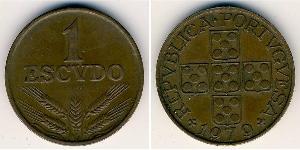
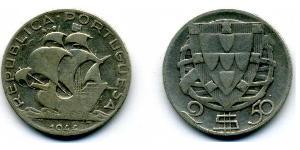
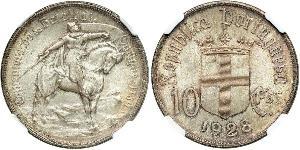
| Portuguese Republic - Ditadura Nacional (1926 - 1933) | Link to Wikipedia |
Ditadura Nacional: History, Coinage and Collectibles
Welcome to a curated exploration of Portuguese numismatic history during the period known as the National Dictatorship. As you stand before this collection in spirit, imagine stepping into a moment where Portugal navigated complex geopolitical waters between World War I devastation and the rigid structures that followed under authoritarian rule.
Historical Background
The era we examine today was born from instability. In late 1926, Lisbon saw significant political unrest following decades of democratic experimentation within a republic established after 1910. The chaos required strong governance to manage economic crises and maintain national borders during a time when global conflict loomed large across Europe.
This regime emerged from the ashes of a weak parliament and sought to restore order through military intervention before evolving into what would become a long-standing state structure later known as Estado Novo. The leadership focused on trade reform, economic protectionism, and strict fiscal control. For collectors understanding the historical tapestry, it is vital to note that while this was an authoritarian transition phase within Portugal itself, its policies were heavily influenced by neighboring Spain's stability issues and international gold standard pressures.
Culturally, the period emphasized traditional values, national defense spending due to civil war remnants in Europe, and a retreat from free-market capitalism toward state planning. This context directly impacted how money was managed domestically. Trade routes remained protected as the economy shifted focus on self-sufficiency for strategic resources.
Currency and Coinage History
The evolution of currency during this time reflects broader economic anxieties common to nations facing post-war recovery struggles in Europe. The monetary system faced pressure from hyperinflation risks previously felt by neighbors. However, the primary numismatic challenge for the regime was not a lack of coin designs but rather maintaining trust after years of democratic volatility.
Influenced by strict fiscal control needs established during these early transitional months under military oversight and later civilian financial ministers, money evolved from standard Republican issues to state-controlled denominations. The minting policy prioritized the 5 centavos through larger silver coins used for national defense payments. Paper currency became crucial as industrialization grew, often bearing new government seals that legitimized their value in a society transitioning toward strict economic planning.
A major period of production focused on standardizing weight and purity to rebuild confidence after wartime scarcity disrupted the supply chain. Gold reserves were strictly protected while copper-nickel coins remained staples for daily commerce across Lisbon, Porto, and colonial outposts where Portuguese influence extended further abroad. This transition ensured stability during a time when neighboring regimes in Iberia shifted violently.
Mints and Coin Production
All production originated from the Casa da Moeda de Lisboa (Lisbon Mint), which held its ancient traditions since 1854 while modernizing for wartime efficiency. The facility utilized high-quality steel dies that produced detailed engravings of national shields, ships, and agricultural symbols before WWII forced relocation or damage later occurred.
The production techniques reflected a blend of classical realism emerging from mid-20th century trends where heads depicted in profile became standard for Portuguese identity after the Republic began. However, during this early authoritarian phase, simpler designs prevailed to reduce costs due to rising metal prices on global markets. Copper-nickel alloys were favored over silver denominations which saw heavy melting down or export as bullion reserves diminished across Europe.
Mint traditions emphasized national unity and strength in artistic choices rather than individual liberty themes seen earlier in the 20th century. The aesthetic balance between classical Roman coinage influences with local maritime heritage distinguished these issues from British Empire pieces minted at Tower Hill or other colonial locations during similar interwar periods.
Notable Coins
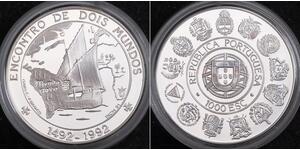
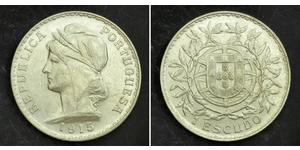
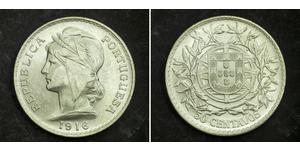
The 5 Centavos Coin:
- Historical Context:Minted under strict oversight, this denomination served as the primary currency for lower-value transactions throughout daily life in urban centers.
- Design Features:The reverse features standard Portuguese agricultural or naval emblems that symbolize self-sufficiency and maritime power. Obverse designs show simplified profiles representing national leadership rather than individual monarchs after constitutional changes took hold.
- Collector Importance:Rarity is defined by mint marks, not just year dates since circulation was high for decades before WWII demand spiked interest in surviving examples today.
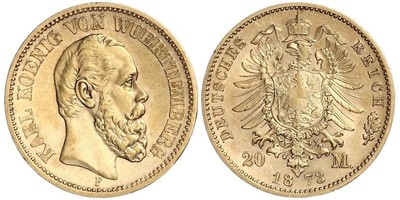
The Gold Escudos of Late Transition Years:
- Historical Context:Minted during the final years when state control tightened, these heavy pieces represented wealth preservation for wealthy merchants and foreign investors operating within Portuguese colonies.
- Design Features:The coin bears high-purity gold standards with intricate detailing on shields or naval eagles representing imperial reach despite domestic political restrictions later implemented under other regimes.
- Collector Importance:Coinage from this period often commands attention due to the scarcity of original specimens compared to common copper-nickel denominations that survived wartime attrition better. High relief designs distinguish these examples where mints prioritized value retention over simple face design.
The Military Occupation Notes:
- Historical Context:Above the coinage, paper money issued by military oversight during initial coups provided immediate liquidity for war reparations and state spending. These are often grouped alongside coins in collection sets.
- Design Features:Paper notes feature prominent portraits of regime leaders or national maps with security fibers embedded to deter counterfeiting efforts from other nations seeking destabilization through currency fraud during WWII era tensions.
- Collector Importance:The condition grade is paramount as most circulated examples were torn, marked by inflation stress later in the decade. Original sealed sets remain highly desirable for completeness alongside surviving metal coinage issued prior to full Salazarist reforms began after 1934 when this regime formally ended.
Cultural Legacy
The symbolism etched into these coins tells a story of resilience and national identity forged in the fires of interwar politics. The recurring motifs of ships, shields, and agricultural crops reflect deep ties to local traditions while also serving as propaganda for unity under centralized authority.
Economic policy during this time dictated how resources were allocated visually on metal objects meant to circulate daily life transactions globally across Europe's colonial trade networks. Even when political leaders changed, the artistic styles remained consistent with late 19th-century aesthetic preferences that blended realism with romanticized landscapes of rural Portugal.
This numismatic legacy preserves a snapshot of how nations balance national pride against economic reality during times of crisis. Collectors today appreciate these items not merely for their face value but as tangible history linking Portuguese stability efforts to broader geopolitical movements across the Atlantic and Iberian Peninsula regions throughout early modernization phases before post-war reconstruction began.
For collectors
The Ditadura Nacional period remains significant within numismatic circles because it bridges two distinct eras of governance: The unstable First Republic which gave way to Salazar's Estado Novo, whose influence continued for decades. Coins from this transitional era offer insight into how national identity was visually constructed during a volatile political window when economic reforms were being implemented alongside social control measures.
Collectors should prioritize condition grades that reflect original state without heavy marks or repairs caused by wartime scarcity which melted down silver reserves across Europe for industrial use later in the decade. Focus on denominations struck before WWII began, as production often decreased due to war materials being diverted away from coinage toward military needs.
This collection represents a fascinating intersection where political history meets metallurgical artistry and economic necessity all captured within small dimensions suitable for daily pocket carry at that time. As you build your portfolio, consider how these pieces connect with colonial expansion records or trade logs stored in archives across Europe today which can enrich understanding of global commerce dynamics under such regimes.