| View |
| preceded by | ||||
|
||||

|
|||||||
 Second Portuguese Republic (1933 - 1974)
|
|||||||

| succeeded by | ||||
|

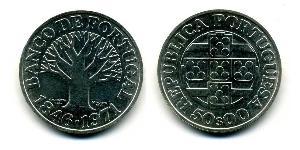
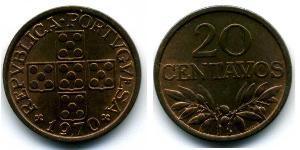
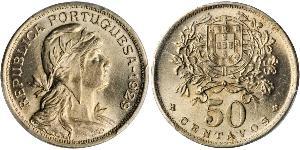
| Second Portuguese Republic (1933 - 1974) | Link to Wikipedia |
Estado Novo: History, Coinage and Collectibles
The history of Estado Novo represents a fascinating chapter in the annals of European monetary evolution. Spanning decades of significant political transformation between 1932 and the mid-1970s, this period offers collectors a unique window into how regimes shape artistic expression on metal. While often associated with modern Portugal under António de Oliveira Salazar's administration, numismatics from this era reveal a complex interplay of economic pragmatism and national pride that distinguishes these issues within the wider scope of Portuguese history.
Historical Background
The Estado Novo regime emerged amidst global turmoil as Europe recovered from the Great Depression. For Portugal, an Atlantic island nation heavily reliant on maritime trade and colonial commerce, this period presented a critical need for economic self-sufficiency to maintain its status within the international community. The historical backdrop was defined by protectionist economics that favored domestic industries over foreign import dependency. This shift directly influenced monetary policy, leading to strict currency management strategies designed to preserve gold reserves.
Cultural life during this era remained deeply tied to traditional values and national stability. The government promoted a vision of Portugal as an eternal empire despite the gradual loss of colonial holdings in Africa following World War II. These sentiments were carefully curated into public imagery, including coin designs that sought to project continuity with past glories rather than acknowledge contemporary vulnerabilities.
Currency and Coinage History
The evolution of money during this era followed traditional monetary reform patterns common across continental Europe but adapted to Portuguese isolationism. Early in the period, silver remained a standard component for lower denominations before global price shifts made it difficult to maintain value relative to other European currencies like the French Franc and British Pound Sterling.
A crucial development occurred as inflationary pressures increased throughout the mid-century leading up to the regime's dissolution. The state managed circulation by removing silver coins from public use, effectively shifting trust toward gold escudos for high-value transactions while copper and bronze denominations handled daily commerce. This change required significant logistical effort but allowed authorities to control inflation more strictly during times of global scarcity.
Mints and Coin Production
The Lisbon Mint served as the primary center for production, operating with strict adherence to royal or republican standards depending on constitutional changes that occurred within the state. Throughout these decades, minting technology improved but retained classical influences in its output style, reflecting a conservative approach to artistic patronage.
- Technological Evolution: While manual tools were still used for smaller denominations by workers with high skill levels, larger pressing facilities processed the gold and silver bullion reserved for commemorative issues. These presses allowed for detailed portraits of state figures or heraldic symbols to be stamped with precision.
- Minting Traditions: A distinct tradition emerged where coin designs were vetted by government officials to ensure they aligned strictly with national ideology, avoiding modernist art styles that might suggest democratic values preferred elsewhere. This resulted in a classicizing aesthetic reminiscent of Roman imperial imagery but using Portuguese coats of arms.
- Artistic Characteristics: Designs featured the shield of Portugal encircled by laurel leaves or maritime elements reflecting oceanic commerce, serving as visual reminders of national identity and resilience during challenging times. The eagle symbol frequently appeared as a motif for strength within this conservative economic framework.
Notable Coins
For the serious collector seeking historical significance over mere investment potential, several types stand out from catalogues produced during these years. These pieces illustrate how art direction shifted with government priorities without necessarily changing production volumes significantly until later economic pressures intervened.
The most sought-after items are gold escudos minted between 1934 and the outbreak of World War II, when bullion availability was still stable. One particularly important group involves commemorative pieces issued to celebrate the centenary of Portugal's maritime discoveries or specific constitutional anniversaries. The historical context for these issues often involved celebrating national achievements rather than commercial events.
Historical Context
- The coinage celebrated a century of exploration and naval power, reinforcing narratives about Portuguese heritage even when colonial holdings were diminishing in actual territory due to international pressure. This narrative was essential for maintaining public morale during wartime disruptions.
Design Features
- Metal composition varied from high-purity gold pieces used as investment instruments to copper and aluminum denominations intended purely for transactional commerce, allowing collectors to appreciate both artistic merit and industrial utility within a single historical span.
Circulation History:
- Rarity is determined not just by mintage but by how long the coins circulated before being hoarded or melted down for bullion purposes, especially as global demand increased in post-war markets. High denomination gold pieces found later often come from official state reserves rather than public circulation.
Cultural Legacy
The legacy of Estado Novo coinage lies heavily in how it preserved national identity through symbols that predated the regime yet were revived under its influence. Religious iconography and classical heraldry dominated designs, reflecting a society where tradition remained paramount over modernity.
Even after political changes returned to democracy following 1974, these coins retained value as historical artifacts demonstrating how currency served propaganda purposes throughout history. Collectors today appreciate the transition from royal imagery to republican emblems while maintaining continuity in craftsmanship quality established decades earlier.
For collectors
The significance of this numismatic era remains important because it bridges two distinct periods in European monetary standards: a time when silver still circulated and one where gold reserves controlled inflation strictly. These coins tell stories about economic resilience, state stability, and the artistic conservatism that characterized mid-century Portugal.
- Rarity Factors: Scarcity is often driven by wartime melting for bullion purposes rather than limited mintage numbers alone. Collectors should prioritize condition assessment as survival rates in high grades are lower due to heavy usage during economic hardship periods later in the regime.
This collection period provides unique educational value regarding state control of currency and its cultural symbolism, making it a standout category for history enthusiasts seeking tangible connections with significant political movements without needing deep knowledge of catalog numbers or market prices. Each piece serves as a miniature historical record reflecting how nations use metal to communicate identity during turbulent times.