| View |
| preceded by | ||||
|
||||

|
|||||||
 Portuguese Republic (1975 - )
|
|||||||

| succeeded by |
| Portuguese Republic (1975 - ) | Link to Wikipedia |
Portugal: History, Coinage and Collectibles
Welcome guests to the Museum of Lusitanian Numismatics. Today we explore a nation defined by its relationship with water and wealth. Portugal offers a unique window into the age where maritime exploration fundamentally altered global trade networks.
Historical Background
To understand Portuguese currency, one must first look to the shores of Europe where it emerged as an independent kingdom during the twelfth century. The nation was forged through centuries of interaction with Rome and North Africa, eventually culminating in a unique identity centered on oceanic expansion. This ambition for dominance across trade routes shaped every aspect of its economy from ancient times forward.
In the early medieval period following Roman withdrawal, local currency systems were fragmented until Afonso Henriques secured independence in 1240 by establishing borders that prioritized maritime access over agricultural land ownership alone. As the nation stabilized and grew into a major European power during the fifteenth century, Lisbon became one of three great commercial hubs alongside Antwerp and Seville.
The defining era began with Vasco da Gama's opening of trade to India around 1498. Suddenly gold was flowing back from Brazil in significant quantities starting in the sixteenth century while silver streams arrived through Asia-Pacific markets via Manila galleons. The Portuguese Crown required coinage capable of facilitating these vast transactions, necessitating a transition from purely regional bullion exchange into international standards for trade.
Currency and Coinage History
The evolution of money in this region mirrors the shifting tides of power on European maps during early modern times. Early coinage under kings like John I utilized gold crowns intended to circulate alongside silver coins that functioned as standard denominations for daily commerce.
A key development was the introduction of larger denomination pieces designed specifically for international shipping and bulk trade. The Real de Mil Réis serves as a primary example during the seventeenth century, where such high-value coinage allowed merchants to settle accounts quickly without using sacks of raw silver or small change that lost value due to wear.
Economic policies shifted throughout history regarding metal content standards; periods of inflation often occurred when governments debased currency by reducing precious metal purity while keeping face values constant. This happened most notably during the Napoleonic wars and early nineteenth century reforms where trade blockades disrupted supply lines leading copper coinage production to spike as a necessity for local circulation.
Mints and Coin Production
The central mint in Lisbon, operating at Santo Estêvão under various monarchs throughout history, served as the primary engine of numismatic creation. Throughout its operation, it managed both domestic coins needed for daily markets within Portugal's interior cities along river valleys where trade routes intersected.
Artistic characteristics evolved significantly alongside technological improvements in striking technology during this period. The early Renaissance styles featured intricate heraldic designs that were deeply influenced by the gothic aesthetic prevalent when Manuel I reigned, though later Baroque influences brought more realism to portraits on heads of state depicted on reverse sides or obverse faces.
Coinage from colonies such as Goa and Brazil often circulated back into Portugal where they mixed with domestic stock before being melted down for further striking in Lisbon. This colonial connection created a unique blend of artistic styles, particularly evident when minting techniques brought back by Portuguese naval captains introduced new engraving methods to the national workshop.
Notable Coins
- The Real de Mil Réis (Golden Cross): Issued from 1640 onwards for John IV and subsequent monarchs, this silver piece features a distinctive cross design that reflects religious devotion common among Catholic sailors of the era. Collectors prize these pieces as they demonstrate how Portugal served as a bridge between European markets and Asian trading hubs.
- The Manueline Crown: Produced during reign periods starting around 1520, gold crowns feature heraldic shields combining traditional symbols with maritime motifs representing ship caravels navigating unknown seas before returning to the motherland.
- The Pataca series: Originally a unit of currency from Macau used for trade within Asia Pacific, these coins circulated freely into Portuguese territories. Their denominations and designs often mirrored European standards while incorporating local Chinese characters or symbols that reflect cross-cultural commercial relationships maintained over centuries.
A key distinction in collecting is identifying which issues remained minted during periods of war versus when peace allowed artistic embellishment to flourish on reverse sides depicting coat of arms rather than battle scenes. This helps collectors differentiate between wartime utility pieces and peacetime art treasures often sought after by museums for their iconographic quality.
Cultural Legacy
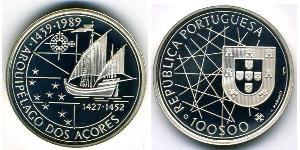
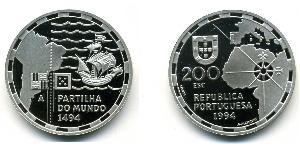
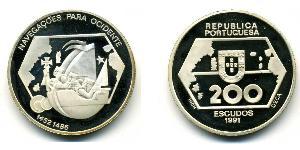
The designs engraved onto Portuguese metal coins reflect a deep connection with the ocean that defined national identity across centuries of existence on Iberian Peninsula. One frequently sees ships or caravels depicted alongside coat-of-arms patterns representing royal authority over distant territories acquired through exploration.
Silver and gold were not merely mediums for commerce but symbols of imperial reach, especially when used to pay wages to sailors who embarked upon dangerous voyages across uncharted Atlantic Ocean waters. These coins carried cultural meaning beyond mere value; they represented the promise of return after years at sea where many never survived their expeditions.
The artistic styles shifted from rigid heraldic traditions representing static feudal loyalty towards more dynamic imagery reflecting a nation built on movement and expansion rather than static land fortifications, setting Portugal apart as one of few nations to place primary maritime symbolism directly onto state currency during the seventeenth century golden age of commerce.
For collectors
This collection offers enthusiasts access to artifacts that physically represent centuries of trade history involving multiple continents. Acquiring high-grade examples provides a tangible connection to merchants who funded voyages across oceans and kings who used metal as leverage in international diplomacy during times without modern banking systems.
The enduring appeal lies not only in rarity but also in the way these objects document an era before industrialization transformed global manufacturing processes completely or established fiat currencies. Completing series allows collectors to trace how artistic tastes, technological methods of striking coins changed alongside national borders that shifted frequently across Europe during early modern period.
When considering acquisition for future generations or investment purposes within this specialized field, one must focus on condition and provenance rather than speculative market fluctuations driven by transient trends. Historical significance carries intrinsic value when understood properly through the lens of a museum curator who can illuminate the story behind every shield stamped into metal.