| View |
| preceded by | |
|
|||||||
| Viceroyalty of Peru (1542 - 1824) | |||||||


| Viceroyalty of Peru (1542 - 1824) | Link to Wikipedia |
Viceroyalty of Peru: History, Coinage and Collectibles
Welcome to an exploration of one of the most magnificent administrative regions in world history, a vast colonial empire that stood at the crossroads of global trade. Today we journey back several centuries to examine the Viceroyalty of Peru, not merely as a political entity on a map, but through the tangible evidence left behind by its monetary systems and artistic heritage.
Historical Background
To understand the economic pulse of this landmass today known largely within modern Bolivia, Colombia, Chile, Ecuador, Panama, Peru, and parts of Venezuela or Brazil as we speak to it now, we must look back at its formation in 1542. This was when King Charles I of Spain divided his vast territories across South America into the Viceroyalty based on Lima.
This region served not only as a source of immense wealth for the Crown but also functioned as the primary link connecting European interests with Pacific Rim markets, especially following the acquisition of New World silver from Potosí and Mexico. The capital city of Lima became more than just an administrative center; it evolved into the political hub governing commerce between Europe, Asia, and Africa via Manila Galleon trade routes that utilized American ports.
Culturally, this era was a fusion where indigenous traditions met Spanish Baroque aesthetics. This influence permeated society deeply through religious orders, agricultural practices centered on agriculture like coca or quinoa alongside cash crops like sugar cane grown in coastal plains and the extraction of silver from highland mountainsides.
The Viceroyalty's economy relied heavily on its control over bullion exports to pay debts owed by Spain for wars with France and Great Britain. However, it was also a region defined by the intricate bureaucracy required to regulate this commerce locally before goods could be shipped outwards. This centralized trade network created unique economic pressures that shaped how value moved through markets in Lima Callao.
Currency and Coinage History
The evolution of money within these territories began as a necessity for tax collection but quickly became essential for the movement of commerce between colonies overseas or with European merchants. The early years were chaotic, often utilizing Spanish coins from Seville that had lost their intrinsic metal value through heavy circulation.
A pivotal moment in numismatic history occurred when the crown established strict standards to ensure consistency across its vast domain. By 1563, after initial minting operations started earlier at various points along coastal areas, a central authority was recognized within Lima itself which began refining output quality significantly by regulating bullion purity.
This era saw the rise of standardized silver coins known as Reales struck locally alongside massive production outputs from Potosí. The flow of this currency established patterns seen in global banking practices later on. As colonial governments required stability for taxation purposes, mint directors began producing coins with higher standards that allowed merchants to trust them at sea or within local markets.
Mints and Coin Production
The infrastructure supporting coinage was complex because of the distance between mining sources like Potosí which produced silver in mountainsides versus processing centers located often on coastlines near Lima. Mints were not merely factories; they served as symbols of sovereign power.
Artists and engravers working at these sites created coins that reflected artistic movements known globally while maintaining distinct regional characteristics visible upon closer inspection under magnification. The technology involved included the introduction of improved dies ensuring detailed relief remained crisp across thousands or tens of thousands of impressions produced daily by skilled workers in workshops often guarded heavily.
The Callao mint played a vital role during specific periods allowing for faster turnover on exports destined for Asia whereas production centers closer to mountainous regions focused more specifically upon high denominations needed locally. The craftsmanship evolved over centuries shifting from simple geometric designs toward Baroque ornamentation where intricate borders and religious imagery defined their aesthetic legacy.
Notable Coins
The coinage of this era produced some among the most significant pieces found in collector’s cabinets worldwide today. These are not merely metal discs but artifacts representing an empire at its zenith through silver that funded naval expeditions and built cathedrals across continents.
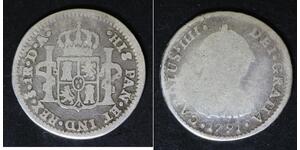
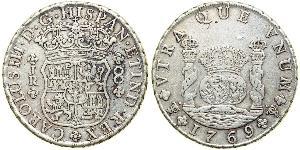
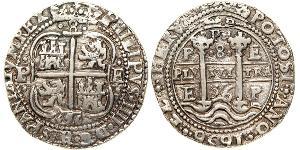
- Silver Reales with Pillars Reverse: Produced during mid-to-late 18th century, these featured distinct imagery of a coat of arms surrounding specific symbols like the Virgin Mary on one side. The reverse design often depicted two pillars or arches which were iconic for trade vessels passing through Gibraltar into the Atlantic.
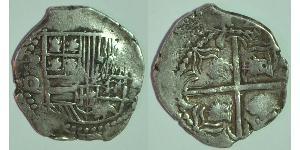
- The Spanish Dollar and Eight Reales: Often circulating under various regimes within this territory, these massive silver pieces served as currency standard globally before paper money became dominant later on. Their size made them ideal for large transactions involving international merchants or taxes collected from local indigenous populations via tribute systems established early.
- Gold Escudo and Gold Coins: Struck in smaller quantities due to scarcity of raw materials compared to silver, these higher-value pieces typically bore images referencing the monarch ruling at that specific moment. The gold content provided assurance against devaluation seen frequently with local paper currency during economic downturns caused by drought or poor harvest years.
Collectors find particular interest in those struck specifically within Lima’s jurisdiction rather than generic Spanish issues because they possess distinctive mint marks found on obverse faces that distinguish them as locally produced items intended for specific markets within the Viceroyalty itself. The presence of certain symbols or dates help determine when and where these coins were likely cast before being shipped overseas.
Cultural Legacy
The coinage from this era reflects an era deeply rooted in Catholicism while trying to maintain imperial pride over its many colonies worldwide. Images displayed on faces often represented royal figures wearing crowns or symbols referencing local saints popular among indigenous communities working in mines during production periods.
Symbols used include eagles representing the Spanish crown alongside shields depicting territories such as Andean mountainsides shown clearly visible through relief details designed to evoke pride regarding resource wealth extracted from these lands. The artistic motifs were not random but carefully chosen by royal orders that often sought unity between European heritage and local cultures represented visually on metal surfaces.
For collectors
This region remains immensely significant today for those who study monetary history or seek historical artifacts with global provenance from ancient empires. Its importance comes not just from the rarity of surviving pieces but because they serve as primary sources documenting trade routes and economic policies utilized across centuries.
Each specimen tells a unique story about how wealth flowed through this region funding European wars while supporting local construction projects throughout colonial times such as bridges, roads built to link inland mining towns with coastal ports for export purposes. For auction buyers seeking authenticity in provenance regarding historical artifacts these silver and gold examples offer tangible proof of past commerce.
In conclusion the legacy left behind by this vast administrative region lives on through collections that continue growing annually worldwide preserving memories of an age where metal currency shaped global trade dynamics across oceans connecting continents together through shared economic interests under one imperial banner. As you browse these pages consider how a small piece of silver once changed hands in Lima and eventually reached markets thousands of miles away carrying value defined by history.