| View |
 Chile
Chile
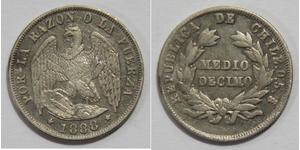
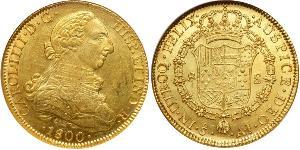
| Chile | Link to Wikipedia |
Chile: History, Coinage and Collectibles
Welcome to an exploration of a nation where ancient mountains meet deep blue waters and history is etched in silver and gold. Today we journey through the archives of numismatics, stepping away from financial ledgers into the stories told by metal. For those who value history, coin collectors find here treasures that whisper tales of colonial trade routes, independence revolutions, and the economic heartbeat of a nation.
Historical Background
The story of this region begins with the arrival of Spanish explorers in the early 16th century. Unlike other territories where conflict was immediate, Chile offered vast resources but presented formidable geographical challenges that shaped its trajectory for centuries long before modern independence movements began to ripple through South America.
Crown trade became the primary engine of commerce during this era, linking mining operations like Potosí in Bolivia with Pacific ports. This flow enriched the economy and introduced a steady stream of Spanish silver into local circulation. As settlement expanded inland along rivers and towards fertile valleys around Santiago, culture evolved from strictly colonial rule to a blend that eventually fostered national identity.
The road to independence was long and arduous. In 1807, the first move toward autonomy occurred when Creoles established councils in Lima before spreading influence northward through Valparaíso. By the early 19th century, military leaders like Bernardo O'Higgins fought for sovereignty from local militias against royalist forces.
The political landscape shifted dramatically with the establishment of a republican government and new constitutional frameworks throughout the first half of the nineteenth century. These events were not merely political; they fundamentally changed how wealth was perceived and distributed within society. Trade networks that once served Spain now had to serve Chile itself, requiring a currency system that could support domestic commerce rather than just exporting minerals or agricultural goods to Europe.
Culturally, this period fostered an appreciation for independence art and national symbols. The rugged Andes mountains became part of the visual identity as much as the ocean currents did. These same natural elements soon found their way onto coins, transforming metal into portable history that citizens could hold in their hands regardless of how far they traveled.
Currency and Coinage History
The monetary system of this land evolved from direct reliance on Spanish coinage to indigenous production. During the colonial era, silver reales struck at Mexican mints were standard trade currency throughout most coastal settlements. These coins became so familiar that by 1703 local usage was already established despite official prohibitions.
When independence arrived around 1818, new laws attempted to create a unified national system but relied heavily on existing silver denominations due to limited domestic production capabilities. By the late 19th century and early 20th century, economic reforms led by government ministries standardized weights based on international trade needs rather than strict colonial inheritance.
This period of transition was crucial for numismatists observing statecraft. As foreign powers withdrew or lost interest in South American markets after the Napoleonic wars ended European dominance over local mints, Chilean authorities began minting their own pieces to protect national sovereignty through currency control. The government used these metal objects as symbols of economic stability during periods when banking systems were volatile.
The introduction of decimalization later in the century replaced complex subdivisions like fractions and larger denominations with a single unit representing value more clearly for citizens trading goods at local markets. This shift simplified commerce significantly while allowing collectors to appreciate earlier coins that belonged to pre-decimal eras as particularly scarce artifacts now available on secondary markets.
Mints and Coin Production
The primary center of production has historically been located in Santiago, operating under royal decrees before becoming autonomous during the republic. Early coinage was hammered handcrafted by skilled artisans who worked from molds cast at specific intervals to ensure uniformity across batches.
Screw presses replaced manual hammers toward the mid-19th century as technology advanced and demand for standardized silver increased alongside export trade. This technological shift changed not only production speed but also artistic style; designs became crisper with less wear than earlier hammered issues that showed irregularities in edge quality and die usage.
Artistic choices reflected European influences heavily during early decades because skilled designers often came from Spain or France to assist local workshops. As time passed, artists began incorporating indigenous motifs into national heraldry found on obverse faces of pieces alongside traditional portraits representing leaders who had served as generals for the newly formed state.
Notable Coins
The Piece of Eight Silver Real from 1703-1804
- Historical Context: Circulated throughout colonial periods before independence officially began. This coin was used by Spanish officials and local merchants alike as standard trade currency.
- Design Features: Obverse bears royal busts while reverse often features a coat of arms with heraldic symbols including the cross that appeared in religious contexts during colonization efforts.
- Importance to Collectors: These are prized for their connection to early settlement history and frequent interaction between Spanish colonies via sea routes. Scarcity depends on preservation as many were melted or circulated heavily until independence ended formal usage after decades of transition.
The Silver Peso from 1907
- Historical Context: Issued following reforms aimed at stabilizing the economy and aligning weights with international standards used during the late Victorian era when global trade relied on precise measurements.
- Design Features: Often displays an obverse featuring a portrait alongside national emblems while reverse features maritime symbols relevant to coastal geography like ships or waves representing commerce through Valparaíso ports.
- Importance to Collectors: Represents the bridge between colonial heritage and modern republic identity. These were among first silver coins produced by state mints after major economic restructuring occurred during early twentieth century.
The Gulliver Gold Coinage Series
- Historical Context: Issued during late 19th century when gold became more available and government needed reliable high-value currency for diplomatic exchanges between nations.
- Design Features: High quality metal used here often featured detailed portraits of leaders surrounded by national eagles or other symbols denoting power over inland mining regions that supplied raw materials previously exported to Spain.
- Importance to Collectors: Rare gold examples offer insight into wealth generation from silver mines and copper deposits while demonstrating technical mastery in high-pressure minting during an era before industrial machinery became ubiquitous across all nations globally.
Cultural Legacy
The artistry found within Chilean coinage reveals much about societal values beyond raw economy. Early designs often displayed European religious imagery that reflected church influence in public life while later pieces celebrated secular national pride and progress toward democracy after many years of civil conflict ended.
Symbolism shifted from royal crowns to republican eagles representing state sovereignty rather than monarchy or colonial authority over distant trade partners far away. The inclusion of maps, coastlines on obverse sides sometimes referenced exploration spirit even though much land remained unmapped until mid-century survey efforts completed mapping Andean peaks visible only during clear mountain seasons.
This evolution reflects a broader movement within Latin America toward asserting cultural independence through art and commerce alike. Collectors today recognize these metal objects as miniature canvases where historical struggles for sovereignty were encoded into permanent physical form meant to be held rather than destroyed in wartime fires or melting pots of bullion banks during periods when governments lacked currency reserves.
For collectors
Acquiring pieces from this region offers a window into how nations evolved politically and economically without needing detailed bank ledgers. Silver coins especially retain significance because their metallurgical content often exceeds intrinsic value while historical condition proves provenance through careful examination of strike marks or die cracks.
Rare issues command attention not merely for scarcity but for the story they tell about early republic efforts to maintain financial stability against external pressures from European markets and internal challenges related to mining output fluctuations during late nineteenth century expansions. Condition sensitivity remains paramount as environmental exposure in coastal climates can affect surface quality of silver specimens stored without modern climate controls.
The historical significance endures because these objects represent the tangible legacy of centuries-spanning civilizations meeting across oceans before steamships could reduce travel times between continents to mere weeks rather than months by sailing route. Today they serve as educational tools for understanding pre-modern monetary systems used during colonial transitions while maintaining relevance in global markets where authenticity and history continue driving collector demand worldwide.