| View |
| preceded by | |
 Russia


| succeeded by |
| Russia | Link to Wikipedia |
Russia: History, Coinage and Collectibles
Welcome to an exploration of a nation where history is etched directly into metal, offering collectors a tangible connection to the rise and fall of empires that spanned continents. The story encapsulated within Russian coinage extends far beyond simple transactions; it serves as a mirror reflecting the vastness of territory, the depth of religious tradition, and the artistic aspirations of sovereigns from ancient princes to Imperial Tsars.
Historical Background
The narrative begins with Novgorod and Moscow rising as centers of Slavic power in Eastern Europe. For centuries, the economy was driven by a unique geography that bridged the trade routes between Byzantium, Persia, and Western European markets via ports like Arkhangelsk and St. Petersburg. This strategic position meant Russia required currency robust enough to facilitate immense international commerce while maintaining internal stability.
The trajectory of statehood shifted significantly during the reigns that sought closer ties with the West yet maintained traditional sovereignty. As Moscow consolidated power, it expanded its borders into Siberia and the Caucasus. During this era of expansion, new regions were integrated into a single economy requiring uniform standards. Trade became essential for importing grain from Europe and exporting furs to Asia. This economic necessity laid the groundwork for complex monetary reforms that would follow.
Cultural identity was forged through Orthodox Christianity while remaining open to European artistic movements later on. The shift under Peter the Great marked a turning point, moving away from isolationist policies toward Westernization. Industrial growth and urbanization created a population accustomed to banknotes alongside metal currency. However, collectors find that the period preceding the twentieth-century upheavals offers some of the most fascinating examples where state ideology directly influenced artistic design on coins.
Currency and Coinage History
The monetary evolution in this region is a story of adapting ancient silver trade to modern industrial minting. In early Rus, currency resembled similar dirhams used across northern Europe before the arrival of gold sovereigns from Byzantium became standard for large transactions. The transition was not instantaneous; often hammered copper and silver circulated alongside foreign imports until production capabilities improved.
A pivotal moment occurred when coinage standards were unified to match broader European metrics. Before this, weights varied wildly depending on whether a mint operated in the capital or a distant provincial town. Under modernizing leadership during the eighteenth century, machine-made milled coins replaced hammered silver pieces. This industrialization ensured that every double rouble struck had precise weight and fineness.
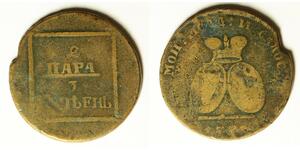
Copper coinage evolved significantly alongside this standardization. Initially simple discs with religious motifs stamped on them by hand, copper kopeks became complex designs featuring intricate patterns representing grain or armorial bearings over time. Silver remained the currency of prestige used for salaries and major contracts, while gold coins were reserved specifically for diplomatic payments and international trade.
Mints and Coin Production
The primary center of production moved to St. Petersburg after it was founded as a new gateway to the sea. Previously established in Moscow and regional strongholds like Pskov or Yaroslavl, minting eventually consolidated at one location for quality control. The introduction of advanced milling technology allowed engravers to create crisp profiles that could survive years of circulation.
The artistic output varied by period but often reflected prevailing European trends filtered through local sensibilities. Early pieces showcased baroque ornamentation with heavy gilding, whereas later designs favored classical balance and neoclassical symmetry inspired by the academies in Rome or Paris. This training meant that Russian coins of the nineteenth century are admired for their high technical finish.
Distinguishing features include variations in mint marks located on obverse sides representing different production years and reigns. Sometimes these letters indicate a shift from hand-struck to machine milled pieces, which collectors can identify by the flow of metal around lettering or portrait details.
Notable Coins
- The Silver Double Rouble:
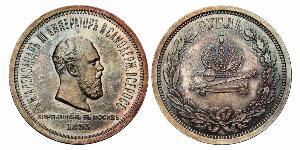
This piece stands as a symbol of imperial stability. Introduced to standardize payment and replace diverse silver items found in trade fairs, it features the reigning monarch facing forward on one side.
Cultural Legacy
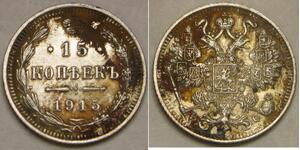
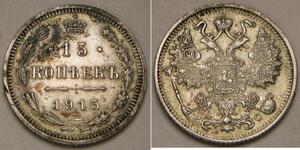
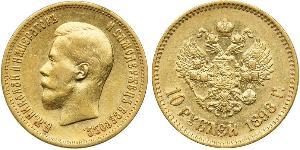
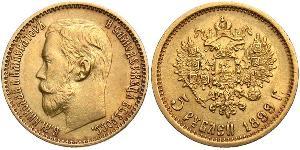
Russian coinage often displays double-headed eagles or Orthodox crosses stamped into metal alongside military uniforms and allegorical scenes of industry. This art was meant to remind citizens that their state's power derived from both divine right and national strength.
Symbols used were deeply tied to identity: the cross represented faith which bound many communities together across different ethnicities living within the borders. Portraits on coins displayed realistic facial features rather than idealized Roman styles seen elsewhere, giving collectors a glimpse of historical leaders as distinct individuals.
For Collectors
The significance of this numismatic heritage lies in its ability to preserve centuries of geopolitical narrative in small metal objects. While many nations produced similar currency during the early modern period, Russia offers unique examples combining Eastern and Western artistic traditions in ways seen nowhere else.
- Rarity:
Pieces from smaller mints prior to industrial consolidation often carry intrinsic scarcity value. While high-quality silver exists today for trade purposes, specific issues with unique mint marks remain rare finds requiring keen observation skills typical of experienced collectors.
- Historical Context:
Each coin tells a fragmentary story about the era it was produced in. A double rouble struck at dawn might have funded trade across three thousand miles to Constantinople or purchased textiles for St Petersburg homes.
- Aesthetic Appeal:
The combination of classical profiles, intricate border ornamentation, and historical provenance makes these artifacts appealing both as investment pieces and art objects. Studying them allows enthusiasts to understand how money served not just commerce but national diplomacy during critical moments.