| View |
| preceded by | ||||
|
||||

|
|||||||
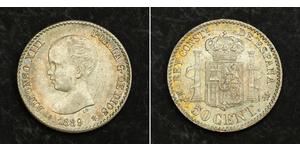
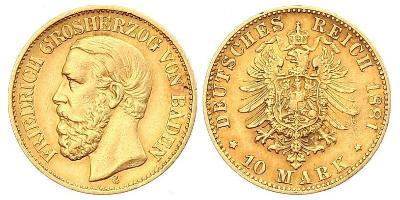
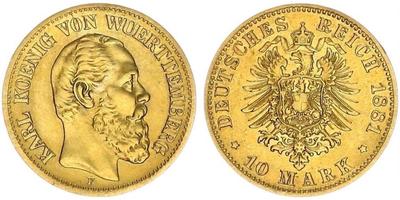
 Second Spanish Republic (1931 - 1939)
|
|||||||

| succeeded by | ||||
|

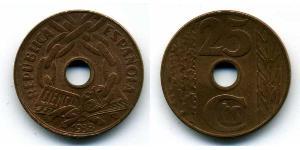
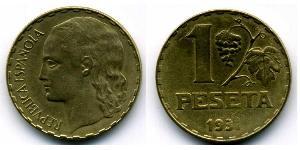
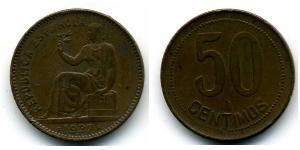
| Second Spanish Republic (1931 - 1939) | Link to Wikipedia |
Second Spanish Republic: History, Coinage and Collectibles
Historical Background
The early twentieth century was a time of profound transition in Europe, marked by the rise of industrialization and shifting social values that rippled across borders. In Spain specifically, this era witnessed the end of centuries-old dynastic rule during an interlude known as the Second Spanish Republic. This period represented a significant experiment in governance for the Iberian nation-state following decades under constitutional monarchy and Bourbon restoration. The narrative is one of political idealism colliding with economic reality, where the desire for democracy faced challenges from traditionalist institutions and rural conservatism.
The drive toward reform was fueled by rapid urbanization as Spain’s cities expanded to accommodate industrial growth. As commerce flourished in Madrid and Barcelona, merchants required a stable monetary system that could support an increasingly complex economy yet still respected historical trade practices rooted in silver standards. This tension between modern democratic aspirations and traditional structures created a volatile atmosphere within the currency sphere. The stability of this government would be tested not just by internal politics but also by global economic shifts occurring during the inter-war years, making its monetary policies particularly intriguing for historians studying pre-World War II finance.
Social unrest was evident as labor movements gained strength demanding fair wages and workers' rights within a modernizing economy. The government sought to address these grievances through legislation that often required significant fiscal expenditure. Consequently, the treasury looked to coinage not merely as currency for transactions but also as an instrument of state financing during times when economic growth did not match projected revenue needs. This context is vital understanding why certain issues were minted while others were withdrawn quickly due to changing political winds and subsequent hostilities.
Currency and Coinage History
The monetary evolution in Spain reached new heights of experimentation during this decade, mirroring the democratic changes unfolding on paper. The peseta remained the official unit but underwent material changes driven by global scarcity of precious metals. Prior to this period, circulation relied heavily upon silver denominations that were eventually debased due to rising international prices for bullion. This transition from full metallic content to lower value metal was a trend common across Europe during inter-war years.
Circulation coins moved away from solid silver toward nickel and bronze alloys as the government sought to stabilize its monetary reserves against fluctuating exchange rates. The decision represented pragmatic governance, acknowledging that maintaining high bullion standards amidst global economic shifts could lead to deflationary pressure or inflation if hoarding occurred among merchants. However, this shift also marked a departure in collector appeal compared to earlier periods where precious metal content guaranteed tangible value.
The role of coinage evolved from simple transactional tools into propaganda mechanisms for the new government. Each side was minted with designs intended to bolster public confidence during times of instability and economic hardship caused by global depressions that affected agricultural exports like olive oil and wine production, which were key pillars of Spanish trade at this time.
Mints and Coin Production
The physical act of coin production was centered within the Royal Mints in Madrid and Barcelona. These facilities possessed centuries of tradition dating back to medieval times yet had adapted significantly by modern standards using new rolling techniques that produced smoother, more consistent finishes on planchets. The artistic styles employed were distinct from earlier regal imagery; instead of portraits of monarchs or heraldic lions representing feudal power, the mints began utilizing allegorical figures symbolizing liberty and reason.
The production environment was impacted heavily by wartime disruptions during a conflict that would engulf Europe in total war within a few years. The minting traditions were interrupted when facilities faced requisition for munitions and currency control measures required under emergency conditions imposed upon the nation's resources. Artistic characteristics shifted from high-relief classical motifs to simplified designs that could be produced quickly amidst labor shortages.
Coin production ceased abruptly as political stability eroded, leaving many mintage figures unrecorded at official archives due to administrative disruption during hostilities. These interrupted runs created a scarcity phenomenon where surviving specimens were often melted down for bullion or repurposed after the conflict ended under new regimes that did not preserve republican iconography.
Notable Coins
The five-peso silver coin stands as one of the most recognized and historically significant issues from this era. It featured an allegorical representation representing national sovereignty rather than a king, signaling the break with monarchical tradition that was so controversial within Spain at that time. The reverse depicted agricultural themes relevant to the agrarian economy which sustained rural populations across inland provinces.
The ten-peso gold bullion coins were produced in limited quantities intended for collectors or high-value transactions rather than common trade where silver and paper notes sufficed. These pieces retained significant content of precious metal making them particularly attractive during times when currency stability was uncertain globally. Collectors value these items specifically because surviving specimens show minimal circulation wear despite being issued years before standard numismatic catalog periods.
Circulation denominations such as the copper two pesetas and bronze centimes offer a fascinating glimpse into everyday commerce where ordinary citizens engaged with democratic symbols engraved on metal they spent daily. These coins represent tangible proof of a society transitioning from feudalism to republicanism, making them valuable educational artifacts alongside rarer silver issues for those studying monetary sociology.
Cultural Legacy
The designs chosen by the mints reflected broader shifts in cultural identity and national values during this period. Symbols like Phrygian caps were adopted from republican movements across Europe to signify freedom, while star motifs represented unity among diverse regions of Iberia that sought independence through federalism or strong centralization debates.
Coinage served as an educational tool for children and adults alike who encountered these symbols in markets and shops. The removal of royal crests replaced with allegorical figures helped reframe national identity without necessarily erasing history but rather contextualizing it within new political structures that valued civic virtue over birthright privilege.
This era highlights the intersection between art, politics, and economics as a single entity on metal surfaces. Even after conflict ended subsequent regimes often repurposed existing materials to avoid waste yet rarely adopted new republican designs in official minting practices during later decades under restored monarchy rule that followed civil war settlement terms imposed by European powers.
For collectors
The historical significance of this period remains important for numismatists focused on Spanish coinage today because the scarcity factor created a unique survival rate among silver issues from earlier periods. The fact that many specimens were melted down due to economic instability and wartime measures means that surviving examples in pristine condition represent pieces of history rather than just currency artifacts.
Auctions often feature rare high-grade specimens that command attention for their historical weight alongside visual appeal, making them sought after by buyers interested in complete sets spanning the entire twentieth century. The transition from monarchical to republican imagery on these metals allows collectors to study how governments project authority through symbols and designs over a short but impactful timeframe.
The enduring legacy of this era is encapsulated not just in metal value but its place within broader historical memory for those studying economic development patterns that led toward modernization projects across Europe. This makes it an essential addition alongside earlier issues from the nineteenth century, providing a bridge between classical imperial coinage and mid-century designs produced under more technocratic regimes established later.