| View |
| preceded by | ||||
|
||||

|
|||||||
 Republic of the United States of Brazil (1889 - 1937)
|
|||||||

| succeeded by |
| Republic of the United States of Brazil (1889 - 1937) | Link to Wikipedia |
Brazil: History, Coinage and Collectibles
Historical Background
The nation known to the world as Brazil underwent a profound transformation during the mid-twentieth century that reshaped its economy, identity, and ultimately, what we see on metal. During this pivotal period of industrialization, leaders sought to modernize the country while consolidating central power within the national government. This era was characterized by an economic nationalism designed to reduce reliance on foreign imports and strengthen domestic industry. For a collector looking at currency from these decades, it is essential to understand that money in Brazil served not only as a medium of exchange but also as a vessel for political propaganda during times of significant social upheaval.
The early twentieth century saw the end of imperial rule and a deepening struggle with rural wealth versus emerging urban industrial centers. As cities grew, coffee production remained paramount yet diversified into manufacturing textiles and heavy machinery under state support policies that encouraged national growth. This economic shift demanded stable currency to facilitate transactions in an increasingly complex market. For historians of money, this period explains why certain coins were minted for circulation while others were kept as high-grade souvenirs, a trend driven by the government's desire to control inflation and promote trade stability.
Cultural developments also drove changes at the national level, where art was used to unify disparate regions under one flag. The use of indigenous symbols and specific historical figures on coins reflected a growing sense of national pride distinct from European colonial imagery found in older issues. This context provides depth when viewing these items; they are not merely metal but artifacts representing a state building its own modern identity amidst global turmoil like the Great Depression, making them historically significant pieces for any well-rounded collection.
Currency and Coinage History
The evolution of money in this region was marked by an attempt to maintain stability against international economic pressures. During the years covered by our historical focus, monetary reforms were enacted to align Brazilian trade with growing European standards while protecting local interests from foreign currency manipulation. The coin production systems evolved significantly during these decades as technology advanced and metal content shifted.
Metal composition was carefully monitored because it represented a direct link between international market values of precious metals like silver and gold, which were still present in some denominations before moving toward copper-nickel plating for everyday usage. Minting practices became more centralized to prevent counterfeiting that had plagued earlier periods when local private mints or colonial contracts allowed varied standards across different ports.
The government established rigorous quality controls that distinguished state-issued coins from circulating foreign currency or unauthorized imitations often found in trade zones along the Amazon and Atlantic coast. These regulations meant that collectors seeking authentic pieces must understand how strict production schedules were enforced, ensuring high-grade survivors remain scarce. The transition toward decimalization began to influence these policies as paper money became more common alongside coinage for daily commerce.
Mints and Coin Production
The heart of currency issuance lay within the primary state workshops that operated under strict oversight from national authorities. These production centers were located in key industrial hubs where access to skilled artisans was required for intricate engraving work. The artistic characteristics found on these coins often varied by mint location, though efforts were made toward standardization as trade routes expanded.
Minting traditions emphasized craftsmanship over mere utility during this era. Engravers took pride in creating designs that featured complex relief patterns to discourage clipping or shaving of metal from coin edges. The artistic style became a blend of academic realism and modernist influences, often seen on the reverse side depicting national symbols such as indigenous figures representing heritage rather than colonial conquest.
The technological advancements during these decades allowed for mass production while maintaining fine detail in low-relief areas that would have been difficult earlier under hand-struck methods. This shift toward machine-strike production meant lower costs but required careful monitoring to ensure the artistic vision of government officials was preserved despite the increased speed and volume required by a growing economy.
Notable Coins
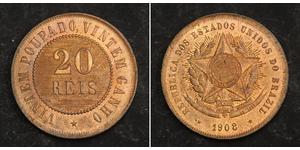
Certain coin issues are particularly sought after today because they represent specific milestones in national identity. A significant type often cited is those issued during periods when new leadership introduced designs emphasizing self-reliance rather than foreign imagery found on earlier colonial pieces. Collectors value these types for their rarity compared to mass-produced copper centavos used solely for commerce.
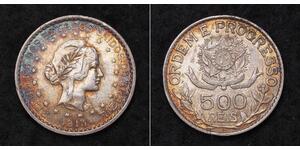
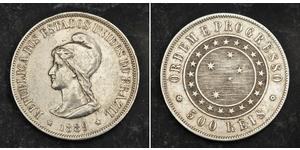
An important category includes silver denominations that were struck with high artistry, featuring detailed profiles of prominent historical figures or allegorical scenes involving the land itself rather than human subjects alone. These coins serve as tangible proof of national growth and often carry higher prestige among auction buyers who appreciate their unique provenance from this era.
Coin types used for commemorative purposes during major events remain prized, such as those issued to celebrate industrial achievements or centennials that occurred within these years. Each design feature on these pieces tells a story about what the nation was celebrating at that moment in time. The importance of collecting them lies not only in their scarcity but also because they document how national symbols were constructed and promoted through monetary art.
Cultural Legacy
The coinage from this period remains an integral part of cultural history for collectors who wish to preserve a record of the state's development. The designs on metal reflect broader societal shifts, showing where power was located, which symbols were deemed appropriate for public display, and what kind of future leadership was envisioned by officials of that time.
Symbols such as indigenous faces replaced older European imagery in reverse legends to emphasize national independence from colonial rule. Religious iconography was toned down compared to previous centuries due to secularization efforts under state reform policies that promoted civic education over overt church influence on public currency.
The legacy also extends to the way money circulated through rural villages and urban centers alike, where every transaction carried an invisible weight of national pride or economic hope. For history enthusiasts studying monetary systems, these pieces provide insight into how wealth was perceived in a rapidly changing economy that needed reliable instruments for both trade savings.
For collectors
The historical significance remains important to modern hobbyists because it offers access to a unique slice of economic narrative without the usual price tags found on recent world coins. Collecting these issues today allows individuals to own pieces tied directly to industrialization and national identity building efforts that defined decades ago but continue influencing current currency design philosophies.
The importance lies in understanding how each coin represents specific decisions made by governments regarding trade, sovereignty, and artistic expression during a time of global change. Auction buyers should consider provenance documentation when sourcing high-grade examples to ensure authenticity matches the historical records that support their investment strategy.