| View |
| preceded by | ||||
|
||||

|
|||||||
| Spanish Empire (1700 - 1808) | |||||||

| succeeded by | ||||
|

| Spanish Empire (1700 - 1808) | Link to Wikipedia |
Spanish Empire: History, Coinage and Collectibles
The story of coinage within the vast territories governed by Spain is one that mirrors the grandeur of empires past on every continent they touched. When we look at these artifacts today, we do not merely observe metal or base alloys; we witness a tangible fragment of history where global power and local culture intersected in silver. As collectors approach this era from an auction room to a private cabinet, understanding the weight behind each piece offers deep insight into how nations were built on trade routes that spanned oceans.
Historical Background
The rise of Spain as a dominant force began with the consolidation of territories following the reconquest and subsequent explorations initiated under royal mandates. This era transformed Europe by bridging continents, allowing for an unprecedented flow of goods from Asia to America to Old World markets via Manila Galleon ships that sailed through storms and tides alike.
The economic structure was heavily reliant on precious metal extraction brought back by early conquistadors. However, this influx was not simply a resource grab but involved sophisticated administrative control where the crown sought to centralize authority over distant colonies. As populations grew in America due to colonization efforts, local economies adapted from barter systems to structured currency based upon bullion standards established for international commerce.
Currency and Coinage History
The evolution of money within these regions began with copper tokens used locally before transitioning into silver-based standardization. The introduction of the Real marked a pivotal moment in economic history as it served not just local markets but became an accepted global reserve asset across Europe, Africa, Asia, and parts of Oceania for centuries.
In later periods during the eighteenth century, reform efforts were necessary to combat inflation caused by excessive minting. The Spanish authorities introduced new monetary standards which required higher quality silver content to regain trust among international partners who had begun using local currency as a substitute for hard-to-find bullion in London and Amsterdam exchanges.
Mints and Coin Production
The heart of production lay within major administrative centers such as Mexico City where large scale mints operated with significant oversight. Here, skilled laborers mixed alloys to ensure that every coin met the strict demands placed upon them by royal decree from Madrid or other European courts.
Techonology evolved over time shifting from hand-stamping methods which varied in precision to machine-driven strikes that ensured consistency across vast production volumes. While designs remained relatively traditional focusing on iconic portraits of kings, artists introduced subtleties such as varying mintage marks indicating where each piece originated or special commemorative events.
Notable Coins
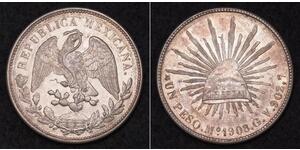
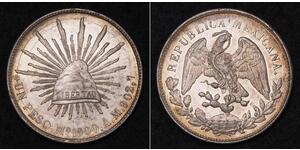
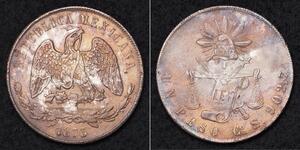
Among the most prized examples is the Spanish Dollar minted during various decades which held significant weight globally. Known for its distinctive shield featuring pillars of Hercules, these coins became a staple in maritime trade networks throughout history as ships carrying cargo stopped along ports and exchanged funds.
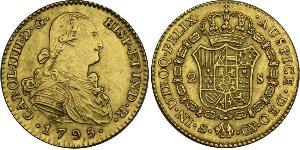
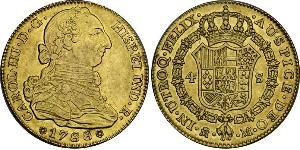
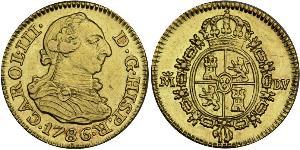
Certain gold pieces struck from specific viceroyalties also command attention today due to their unique iconography depicting indigenous landscapes or religious scenes that reflect the cultural synthesis occurring during colonial rule. These high-value items were often reserved for government officials rather than common use, making them extremely rare in superior condition on modern markets.
Copper reals from local provinces offer another avenue of study where regional governors stamped variations onto base metals before official approval reached distant capitals. Collectors appreciate these specimens not because they are wealthy investments but as artifacts showing the practical workings behind colonial administration that is rarely found outside museums or archives today.
Cultural Legacy
The symbolism carved into silver and gold reflects deep societal values of faith combined with monarchy which was central to identity at time. Even when political regimes changed centuries later, these designs continued circulating across borders before finally ceasing production due to shifting geopolitical realities rather than artistic failure.
This continuity highlights how monetary design preserved memory long after the events occurred that inspired them in daily life. Artisans who crafted intricate engravings left behind a legacy of aesthetic beauty that transcends simple utility as they blended religious imagery with nationalistic pride unique only within this specific historical context.
For collectors
The enduring significance for collectors lies in the ability to hold pieces representing one of history's most extensive commercial empires. Acquiring coins from Spain allows enthusiasts to trace a direct line connecting ancient explorers with modern economic systems through tangible links like these metal objects.
This historical connection remains relevant today because every item tells a complete story about exploration and settlement rather than just numbers or dates found in catalogues alone. Whether seeking high grade silver dollars for investment purposes or copper examples from early colonial settlements, the passion lies in preserving stories passed down through generations now available directly at auctions or dedicated hobby shops.