| View |
| preceded by | ||||
|
||||

|
|||||||
 Democratic Republic of Afghanistan (1978-1992)
|
|||||||

| succeeded by | ||||
|

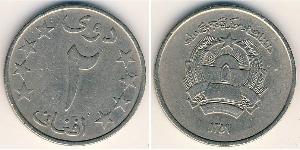
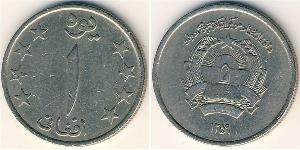
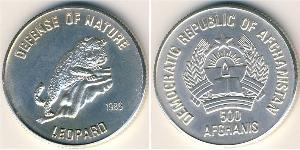
| Democratic Republic of Afghanistan (1978-1992) | Link to Wikipedia |
Democratic Republic of Afghanistan: History, Coinage and Collectibles
Historical Background
To understand the numismatic legacy of this region, one must first travel through millennia of human exchange along the ancient Silk Road. Historically positioned as a critical crossroads between East Asia, South Asia, Central Asia, West Asia, and Eastern Europe, Afghanistan has long served not merely as a landmass but as an economic bridge where diverse cultures met to facilitate trade.
The geography itself dictated the economy for centuries before modern borders were drawn. The rugged mountain passes allowed caravans carrying silk, wool, spices, and precious stones to traverse great distances safely or perilously depending on local rulership. This connectivity fueled demand for coinage that could standardize value across these diverse trading partnerships. From the time of the Seleucids through the Kushan Empire to later Islamic Caliphates, currency was essential because the land's strategic position meant it never existed in isolation.
The economic landscape shifted dramatically over the centuries as foreign influences introduced new systems while local traditions persisted. This historical depth is not merely an academic concept but a tangible presence within every piece of metal minted across its borders. The evolution from localized silver marks to imperial gold standards reflects broader geopolitical integration with empires like Achaemenid Persia and later, colonial powers that established trade routes leading into the area.
The political structure often dictated currency policy, whether an Emperor or a local Khan controlled the minting presses. When stability prevailed within central Asian trading networks, coinage production flourished alongside commerce during these prosperous eras. However, when external forces imposed new administrative boundaries, monetary systems adapted to reflect those shifts without necessarily breaking economic ties completely.
Currency and Coinage History
The evolution of money in this territory followed a global trajectory from barter-based exchange toward standardized precious metal coins used for long-distance commerce. Early circulation often utilized silver punch marks or copper tokens, but as central authority strengthened over centuries, the minting of gold dinars became standard.
Monetary reforms have always been tied to national sovereignty and administrative unity during significant political transitions in this region. The establishment of modern republics introduced decimal systems that aligned with international trading practices emerging from Europe while attempting to balance local cultural preferences for weight-based silver coins known locally as the toman or dirham.
A critical period involved aligning currency standards with global trends after World War II, which facilitated trade between the region and its neighbors. The minted pieces during these transition periods often show fascinating hybrid designs that combine classical Islamic calligraphy styles with Western portrait imagery introduced by political leadership changes.
Mints and Coin Production
During this era of numismatic exploration, production centers were not merely mechanical workshops but cultural hubs where artistic skill converged. The city of Kandahar stood as a notable center for minting operations that utilized traditional Islamic art motifs alongside administrative symbols required by central government mandates.
Minting technologies evolved from heavy manual hammer strikes to sophisticated stamp presses capable of producing thousands of identical pieces per day, allowing large-scale distribution needed for growing international markets. Artistic characteristics often distinguish these coins through specific calligraphic styles or the inclusion of mint marks that served as quality control indicators rather than just location names.
The distinction between different periods is visible in the metallurgy and craftsmanship used across mints located within major urban centers. Copper alloys varied depending on available local resources, while precious metal issues maintained strict standards to protect against counterfeiting common during times of transition or economic scarcity.
Notable Coins
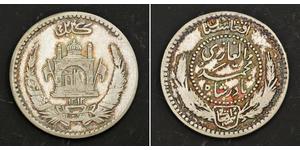
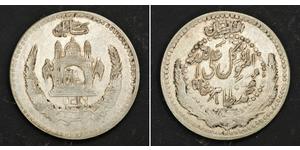
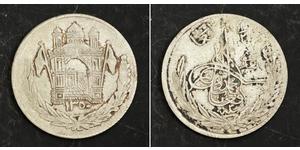
Silver dinars produced prior to 1973 often feature artistic designs that have survived as significant examples due to their limited mintage quantities and the cultural value attached to them by collectors who appreciate historical continuity. These pieces display intricate calligraphy surrounding portrait images or national symbols of sovereignty established during early republican administrations.
A second category consists of issues from the late 1970s, where artistic styles shifted toward simplified modernist aesthetics reflecting changing economic priorities and administrative reforms that occurred during this period. Collectors often find value in these specific types because they represent a distinct stylistic era unique to certain decades before later historical changes altered monetary circulation.
Highly sought after specimens include gold coins struck for special commemorative purposes, which usually featured detailed depictions of national heritage sites or agricultural motifs that highlighted the country's reliance on irrigation and agriculture. The scarcity of such issues combined with their symbolic nature makes them particularly interesting for historical study within numismatics.
Cultural Legacy
The coinage produced by this region reflects a complex identity where religious heritage coexists with national symbols established over time. Calligraphy styles used on these pieces often derive from classical Arabic script, representing the continuity of Islamic culture through administrative systems that may have changed.
National pride is visible in motifs depicting mountains or local flora found throughout historical periods and preserved by collectors today as evidence of cultural resilience during eras when global political boundaries shifted. This artistic legacy ensures that coins remain valuable not just for metal content but as tangible artifacts representing how societies expressed their identity through currency design.
The choice to mint specific symbols on coinage demonstrates state authority over the broader population while inviting international recognition during trade fairs where such pieces circulated alongside currencies from neighboring nations and distant colonial powers.
For collectors
Afghanistan remains a significant addition for numismatics due to its historical continuity. Collectors value these items not solely because they are foreign but as witnesses to the Silk Road heritage that connects disparate cultures through tangible objects held in their hands today.
- The importance of condition grades, where preservation on silver issues often dictates price differences
- Rare varieties arising from mint errors during early production attempts or limited mintage for royal commemoration events
- Symbolic themes that appeal to those interested in regional art history and Islamic script styles
The study of coins provides insight into the economic conditions prevailing when they were struck, while also serving as a reminder that trade has always been central to this region's identity. As such, these items continue to offer valuable lessons about past commerce systems without modern political interpretations.