| View |
| preceded by | |
 Afghanistan


| succeeded by |
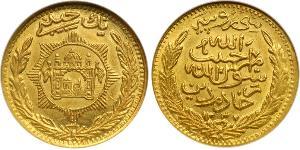
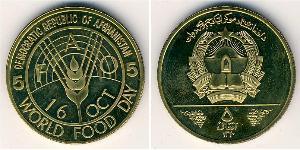
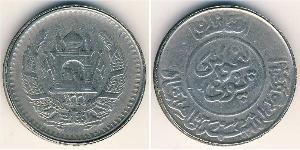
| Afghanistan | Link to Wikipedia |
Afghanistan: History, Coinage and Collectibles
Welcome to a journey through one of the most fascinating numismatic landscapes on Earth. As we step into this exhibit hall, imagine standing amidst the dust-chalked ruins where trade caravans once paused for centuries. This region has always stood at the intersection of civilizations, carrying coins from India up towards China and down into the steppes. For us who collect pieces with ancient provenance or rare historical attributes, Afghanistan offers a profound narrative written in metal.
Historical Background
To understand the currency that flowed through these lands, one must first appreciate its geography as the Great Connector. During antiquity and into the early medieval periods, this land acted not merely as territory on a map but as the bridge between distinct cultural worlds. The Greek presence arrived here following campaigns in the fourth century BCE, though their stay was temporary compared to their lasting numismatic imprint. Following them came various indigenous dynasties that adapted these styles until new waves of power emerged.
The Silk Road passed through this region with incredible frequency, bringing wealth and currency standards from the West into contact with those rising in Asia Minor or further east in India. Consequently, a unique hybrid culture developed on the high plateaus between river valleys and mountainside markets. This cultural cross-pollination was mirrored directly in their monetary systems before Islam spread across Persia and beyond, unifying diverse traditions under new aesthetic rules but keeping the economic vitality intact.
Currency and Coinage History
The evolution of money here is a story of transition. In earlier eras, heavy silver staters or gold pieces from neighboring empires often served as legal tender locally due to their recognition value across borders. However, local mints began issuing coins that bore the weight standards required for domestic commerce while displaying new imagery reflective of changing governance.
A critical period occurred when Afghanistan emerged on its own political footing in late eighteenth century history following centuries under various empires. This established a need to define sovereignty through coinage once more, distinguishing local currency from Mughal or Persian issues that had circulated previously for over four hundred years. The economic needs of the state dictated these changes; as trade expanded along routes like those leading toward Persia and Central Asia, the government required reliable silver denominations alongside traditional copper pieces used by merchants in daily transactions.
Mints and Coin Production
The production centers themselves tell a story. Cities located near key transit points became preferred minting locations because they possessed both skilled artisans who could translate artistic trends into metalwork and the necessary infrastructure to support trade flows. Herat, Kandahar, and Kabul served as primary hubs during different dynasties.
- Silver Standard: This remained dominant until gold became scarce or impractical for small change needs in rural markets.
- Copper Production: Often used by merchants and smaller town mints to produce the bulk of coinage necessary for purchasing grain, cloth, or livestock.
The technologies evolved alongside political shifts. Traditional manual striking methods gave way more frequently during later periods as presses became known from other regions in trade exchange. The artistic characteristics changed over time; early issues often featured animal motifs before religious reforms encouraged the replacement of imagery with intricate calligraphy on coins used across this vast region.
Notable Coins
For our collectors, we draw attention to pieces that define eras rather than simply listing catalog numbers. One category involves early Hellenistic influence from Bactria which utilized Greek styles even after the empire receded eastward. These tetradrachms are sought by specialists who appreciate how local mints retained artistic heritage while adapting them for Indo-Scythian rulers.
In subsequent centuries, Sasanian silver pieces circulated heavily throughout this territory because their weight standards matched those preferred across Persia and beyond. They often show signs of circulation wear on the rims but remain brilliant in detail if found intact within hoards from ancient burial sites or trade outposts along the northern route.
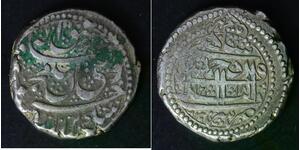
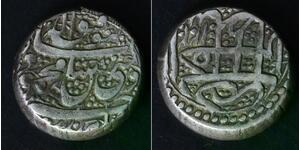
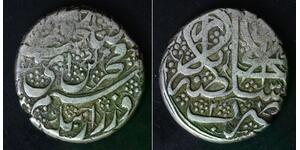
Ahmad Shah Durrani coins represent perhaps the most significant modern collection segment for serious numismatists interested in early sovereignty. These issues display clear independence markers including distinct obverses that removed previous imperial portraits used to govern neighboring regions. Each piece carries a narrative of national pride forged through trade and conquest during this transformative period where borders were drawn differently than they are today.
Cultural Legacy
The coinage found from Afghanistan serves as an archaeological record beyond mere monetary value. The designs reflect deep religious and cultural values, particularly the shift toward avoiding human faces in favor of abstract geometry or sacred text once Islamic law was implemented locally across these regions. However, before that influence arrived fully, we see portraits influenced by Roman art mixed with local Persian traditions.
This artistic legacy remains important because it shows how Central Asian aesthetics bridged East and West styles for nearly two thousand years until new waves of reform in the mid-nineteenth century changed coin designs across Asia entirely. The transition itself marks a turning point that collectors study when viewing the flow from Greek profiles to purely textual Islamic legends on silver dinars.
For collectors
If you are looking at these pieces for your own collection, focus remains best placed on items with clear provenance or unique historical context rather than chasing high market valuations. The scarcity here is often due to the history of conflict and movement that limited the survival rates of certain periods into modern hands more so than in regions where mints were well protected.
- Rarity Factors: Condition rarity matters greatly for ancient staters or early issues from eighteenth century reigns because minting errors occurred frequently during turbulent times of state transitions.
- Cultural Importance: These items act as physical tokens representing the Silk Road heritage, connecting buyers to a narrative that spans empires and centuries without requiring direct reference to modern politics or events.
In conclusion, collecting these coins allows you to own pieces of history where cultures met. Each coin is more than metal; it represents the trade winds blowing between India and Central Asia during eras when this region was a crucial link for empires vying for wealth and influence across continents.