| View |
| preceded by | ||||||||
|
||||||||


|
|||||||
 Austrian Empire (1804-1867)
|
|||||||

| succeeded by | ||||||
|


| Austrian Empire (1804-1867) | Link to Wikipedia |
The Austrian Empire: History, Coinage and Collectibles
Welcome to a deep dive into the historical legacy of coinage produced by the Habsburg crown in Central Europe. For collectors and history enthusiasts alike, this sovereign state offers a unique glimpse into how power was projected through metal during the transition from feudal kingdoms to modern nation-states.
Historical Background
The Austrian Empire emerged as one of the most influential powers in continental affairs following the dissolution of the Holy Roman Empire. While many historical narratives focus on military campaigns, our understanding comes largely from economic stability and trade networks that spanned Italy to Hungary. This state was a complex mosaic of German-speaking lands alongside Italian regions like Lombardy-Venetia.
The political landscape was defined by an Emperor who sought to consolidate diverse territories under one banner, often relying on the coinage as proof of unity between distinct cultures such as Germans and Hungarians. The economy shifted significantly in this era due to industrialization beginning across Bohemia, bringing new wealth that needed a robust monetary system.
Cultural life flourished during these decades with Vienna acting as a European capital for arts and sciences alongside the minting of money. However, following the Napoleonic wars, much of Europe required reorganization under Congress terms which forced economic reforms across borders. For coin collectors, this historical context explains why designs changed to reflect national identity rather than just feudal dynastic symbols.
Currency and Coinage History
The monetary history in these lands is defined by the struggle between established silver standards and emerging gold systems. The Silver Thaler had served as a common international trade currency for centuries, often bearing designs that transcended local borders but remained distinctively Austrian or Habsburg.
As power structures evolved under Napoleon’s defeat around 1815, Austria needed to reestablish its economic sovereignty against rival powers in Europe. This period saw the introduction of new denominations and the standardization of weight for coinage that was necessary for merchants traveling between Vienna markets.
Later reforms were required when other European nations moved towards gold standards while this empire relied on silver longer than others due to high internal demand. When Austria finally adopted a more unified currency system in 1857, the transition offered significant challenges for banks and citizens but resulted in higher quality coins that are now highly prized by historians.
Mints and Coin Production
The capital mint served as the primary center of production within this empire. Craftsmanship here reflected strict artistic standards set by court artists who designed portraits and reverse motifs before striking thousands upon thousands of identical pieces.
- Tractions:
- Traditional hand-stamping was eventually replaced in copper issues to increase speed, though silver coins retained their high relief artistry until machine tools were adopted toward the mid-century.
This shift allowed for mass production of currency needed by a growing industrial population while still maintaining quality control through specialized mint marks. The Imperial Crown often appeared on coinage as proof that these lands remained within Habsburg rule, regardless of political titles used at local parliaments or courts.
- Metal Usage:
- Copper alloys were utilized for small change to keep costs low while silver and gold coins reserved high-value transactions across Europe’s trade routes.
Notable Coins
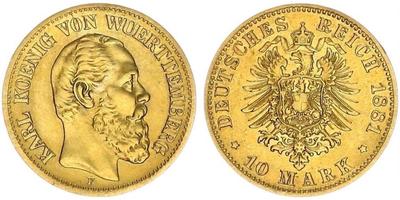
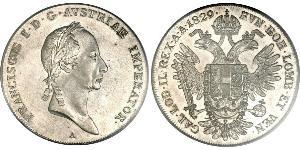
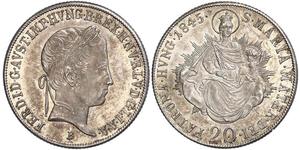
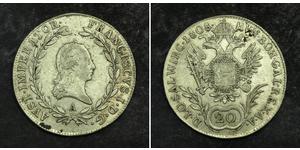
The Austrian Empire produced several coin types that remain significant in modern collections. Each piece tells a story of artistic direction at the time or specific reforms affecting monetary policy.
- The Maria Theresa Thaler:
- Historical context: While issued before formal empire title, these coins remained popular currency well after 1804 and carried over into the era of Austrian coin collectors. They featured a crowned portrait on one side with an eagle.
- Design features: The obverse typically showed a monarch’s head while reverses displayed complex heraldry including crowns that represented multiple territories under rule. Patina often developed over centuries creating highly desirable tones for collectors today.
- Importance to collectors: This coin bridges pre-imperial designs with early Austrian issues making it a bridge between numismatic worlds before and after the Empire formalized in Vienna.
- The Gold Ducat Series:
- Historical context: These high-value coins circulated primarily among nobility or merchants engaged in international trade with Italy where Venice was a hub for Habsburg goods. Designs often featured religious imagery alongside portraits.
- Design features: The reverse usually showed the imperial eagle standing proudly on a shield bearing coats of arms that were symbolic of Austria and Hungary or other territories controlled by Vienna court officials at time issuance occurred during reigns.
- Importance to collectors: These coins are rare examples of gold coinage prior to standardization with European banks using different standards. Collectors prize them for their heavy weight and intricate engraving on both sides showing royal symbols often used across multiple denominations in same period.
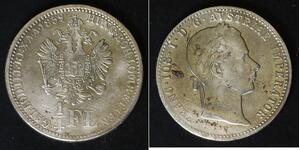
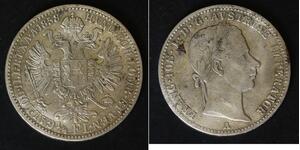
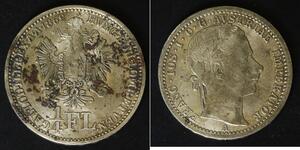
- The Post-1857 Silver Krone:
- Historical context: Following monetary reforms after Napoleon’s defeat and leading into modern gold standard era. This coin represented new political realities where Austria sought unity with German states economically.
- Design features: The obverse often showed the Emperor in profile while reverses displayed crowns or allegorical figures holding corn sheaves that symbolized agricultural wealth of provinces contributing taxes minted into coins by government order from capital city where art and industry met.
- Importance to collectors: These issues mark the shift toward a modern banking system. Collectors study how legends changed over years as currency reform happened under administration supervision ensuring all notes bore same face value for public confidence.
- Symbols of Authority:
- The inclusion of religious imagery on coins reflects how much the monarchy relied on Catholic doctrine to legitimize rule over diverse populations spanning from southern Italy up through Bavaria.
- Economic Artifacts:
- Metal composition often showed local mining quality rather than standardized weights, allowing for artistic expression on copper coins that depicted hunting scenes or pastoral landscapes common to rural life around central Europe.
This variety of silver, gold, and copper pieces reflects an era where metal was used not just to pay debts but also to project power across diverse lands ruled by Vienna.
Cultural Legacy
The coinage from this period serves as a testament to the culture that valued stability above all else. Symbols such as St. Stephen's crown or the Imperial double-headed eagle were used repeatedly in art and architecture during these decades. They reinforced national identity even when borders shifted significantly.
For collectors
The Austrian Empire remains important because it marks the turning point from medieval coinage into modern state banking systems. Collectors find joy in tracing designs that connect earlier Holy Roman traditions with Austro-Hungarian innovations of later years without losing historical significance.
You will discover many fine examples available in auctions or estates where provenance shows coins once used for international trade before reforms changed standards permanently across Europe's borders and political shifts occurred. Whether seeking early silver thalers from Vienna mints which still bear original marks or gold ducats that circulated widely among European merchants, each piece offers a unique chapter of history preserved in metal.