| View |
| preceded by | |
|
|||||||
 Principality of Anhalt-Zerbst (1544 - 1796)
|
|||||||


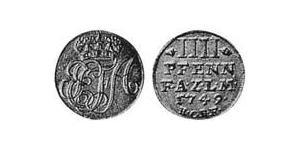
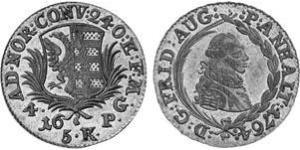
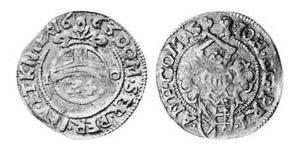
| Principality of Anhalt-Zerbst (1544 - 1796) | Link to Wikipedia |
The Principality of Anhalt-Zerbst: History, Coinage and Collectibles
Welcome visitors and enthusiasts alike into a journey that traverses centuries through the silver and copper struck by one of Germany's most historic small states. Today we explore the legacy of the House of Ascania within the specific realm of Anhalt-Zerbst, examining how this principality navigated the turbulent waters of European history while leaving behind a remarkable numismatic footprint.
Historical Background
To understand the coinage of Anhalt-Zerbst, one must first grasp its place in a shifting geopolitical tapestry. During the Holy Roman Empire and well into the early modern era, political power was not defined by size alone but by sovereignty over trade routes and resource management. Zerbst sat at a crucial intersection along important waterways that facilitated commerce between central Germany and emerging industrial markets. While it operated as an independent entity within German history for centuries, its borders were fluid, often bordering Saxony to the south and Prussia to the north.
The region was characterized by agricultural prosperity but also significant handicraft development in textiles and silk production long before those industries moved to larger industrial centers. This economic vitality meant that local currency needed not only to facilitate daily commerce among peasants and guildsmen but also to participate in broader trade networks with international partners like England, France, and Russia.
The principality existed under the aegis of various Germanic alliances before eventually becoming part of Prussia following World War I. Its history is defined by periods of relative autonomy followed by integration into larger economic zones such as the Zollverein, or the Customs Union which preceded modern Germany. This evolution from an independent landgraviate to a member state within broader kingdoms shaped its monetary policy significantly.
Currency and Coinage History
The evolution of money in this region reflects the changing face of Europe itself. For centuries, silver remained the bedrock of high-value trade. Early coins were largely based on weight standards rather than fixed values for denominations until reforms standardized these across larger regions.
In its earlier years, Anhalt-Zerstedt utilized various forms of currency often aligned with neighboring Saxony but retaining unique markings to assert local authority over time as political independence waned. As the region matured into a more recognized state within the German Confederation in 1806 following Napoleonic reorganizations, there was increased pressure toward standardization.
This era saw the transition from traditional silver thalers and gold ducats to currency units that would eventually feed into the unified Mark of 1873. Collectors often see a distinct visual shift in these periods where older coins bore elaborate heraldic imagery, while later pieces adopted simpler, more industrial styles reflecting the state's transition toward becoming part of the United States of Saxony-Anhalt.
Mints and Coin Production
The minting traditions of Zerbst were not merely functional but served as a display of artistic craftsmanship within Germany. Although often smaller in volume than larger mints like Dresden or Berlin, the quality produced was consistently high due to strict control by local magistrates.
- Minting Technology: As with all major German states at this time, hand hammering gave way to screw presses, allowing for greater detail in portraits and coats of arms. This technological shift allowed mints to produce clearer images which appealed deeply to the discerning eye of collectors.
Mint masters often worked under royal patronage during these later years, applying artistic styles that were fashionable across Europe but adapted to local tastes. The choice of metals was strategic; copper and brass filled a vital gap for daily transactions while precious metal coins served merchants and diplomats traveling the long routes.
Notable Coins
The numismatic history of this principality is anchored by several specific types that remain desirable to serious cabinet collectors today. Below are the most significant examples found in collections worldwide.
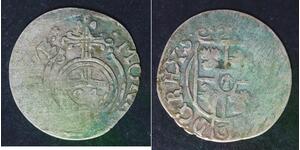
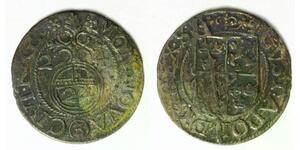
- Silver Thalers (Late 18th Century): Perhaps the crown jewel for collectors from this region, these thaler issues featured refined portraits of local rulers along with detailed depictions of heraldic symbols representing their lands. The historical context here is vital; as trade expanded through Saxony-Anhalt, larger silver pieces were required to move value between regions.
The importance of these coins lies in their rarity within a specific geographical context. Many collectors specialize only by country, making the distinction between Anhalt and its neighbors essential for accurate cataloging. Each coin represents an attempt by this small state to maintain identity despite political pressures from neighboring superpowers.
Cultural Legacy
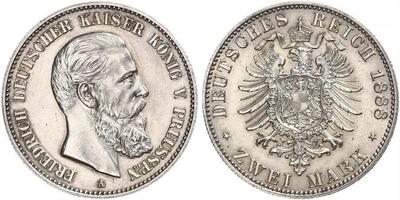
The coins of Anhalt-Zerbst act as miniature historical documents that reflect culture, economy, religion, and power dynamics. The heraldic eagles often depicted on later issues mirror the broader cultural shifts within Prussia and Germany during the rise toward national unification.
- Artistic Evolution: Designs began with intricate Baroque flourishes typical of German court culture in previous centuries, moving gradually to simpler Neoclassical styles that became dominant in the 1790s. This transition reflects broader Enlightenment ideas spreading through Europe at a time when local courts adopted French architectural and aesthetic trends.
Symbols used on these coins often featured religious imagery alongside civic badges, highlighting the close relationship between faith and governance in Protestant regions of Germany during this period. The depiction of agricultural scenes or industrial tools occasionally appeared on copper issues to honor the economic foundation that kept local commerce flowing regardless of political borders.
For collectors
The Principality remains a cornerstone for specialized numismatic cabinets focusing on Central European history and German states prior to full unification. Its coins offer valuable insights into how small principalities maintained fiscal autonomy in an age dominated by larger empires like Austria, Prussia, or France.
- Rarity Factor: Coins struck with local mint marks are often highly prized because production numbers were low compared to the population they served. This scarcity makes them excellent additions for auction buyers seeking high-quality historical objects.
The enduring value of these pieces comes from their story; each coin bears witness to centuries of German history where political borders shifted but economic life continued across those lines. For hobbyists, holding a thaler minted in Zerbst is like possessing a small piece of the country's own identity that persisted for three hundred years until it was absorbed into modern national structures.
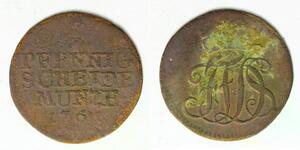
In conclusion, collecting coinage from this principality allows enthusiasts to study not only monetary history but also cultural continuity within Saxony-Anhalt. Whether examining fine silver thalers or copper half-groschen used by local farmers and merchants alike, these artifacts preserve the memory of a region that played a vital role in Central European economic development.