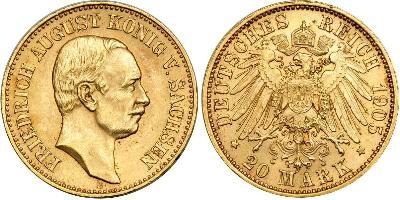
| View |
| preceded by | ||||
|
||||

|
|||||||
 Principality of Anhalt-Köthen (1603 -1853)
|
|||||||

| succeeded by |
| Principality of Anhalt-Köthen (1603 -1853) | Link to Wikipedia |
Anhalt-Köthen: History, Coinage and Collectibles
Welcome visitors from the worlds of numismatics and history to explore a fascinating corner of Central Europe once known as Anhalt-Köthen. In this collection on our digital museum gallery, we seek to illuminate how this small but culturally significant state functioned within the larger tapestry of German political evolution.
Historical Background
The story of Anhalt-Köthin begins in a complex era defined by religious upheaval and territorial partition. Following the Reformation period, many ecclesiastical territories were dissolved, allowing secular powers to consolidate control. This region emerged during these shifts as a distinct principality within the Holy Roman Empire. Its location situated between larger neighbors like Saxony and Brandenburg made it critical for trade routes connecting Eastern Europe with Westphalia.
The cultural history of this state is perhaps best understood through its relationship to great figures who found refuge there due to religious tolerance or political necessity. Most notably, the region served as a haven during times when the Emperor sought stability in Protestant areas while maintaining imperial authority. This unique position fostered an intellectual environment that was more robust than one might expect from such a small geographical footprint.
The economic context is equally revealing for collectors of early modern currency. Because it bordered Prussian territory, Anhalt-Köthen often faced pressure to align its monetary policy with Berlin while maintaining local independence where possible. The transition of power between ruling houses occurred frequently during the seventeenth and eighteenth centuries, leading to frequent changes in coin designs that mirror these historical dynastic shifts perfectly.
Currency and Coinage History
The evolution of money within this principality follows a classic trajectory for Germanic states. Initially reliant on copper alloys produced locally for low-value transactions, the region gradually integrated into broader silver standards established by larger powers like Saxony or Prussia.
- Copper Period: The early decades utilized simple copper strikes for daily wages and market goods exchange.
- Silver Standardization: As trade expanded, the mint output of higher silver content coins became necessary to facilitate international merchants who demanded reliability in weight and purity standards.
This period saw significant monetary reforms. Unlike some states that clung to old feudal currencies for decades, Anhalt-Köthen moved toward standardization relatively early due to its integration into the Holy Roman economic network. This makes surviving coins from this era highly indicative of trade health and government stability during volatile times like wars.
Mints and Coin Production
The mint located in Köthen was a center of craftsmanship that utilized both traditional hammering techniques for copper issues and milled dies when silver production escalated. These facilities operated under the watchful eye of various sovereigns who often visited to inspect quality.
- Tribute Coins: Early outputs were heavily influenced by tribute requirements from larger imperial authorities, resulting in coins that bore dual marks or legends indicating allegiance.
- Metal Composition: Silver content fluctuated based on bullion costs and local treasury demands. Collectors must understand this historical volatility when analyzing specific issues for authenticity.
The mint masters employed designs typical of the era, transitioning from medieval styles to Baroque complexity as artistic patronage grew under wealthy ducal patrons. The technical shift toward milling technology was gradual but essential for preventing fraud, which plagued local economies prior to full standardization with Prussia in later centuries.
Notable Coins
Certain pieces stand out not only for their rarity but also because they encapsulate a distinct era of German history. Among the most significant are those struck during the reigns where artistic freedom was at its peak under royal patronage.
The Copper Issues:
- Historical Context: These pieces date from earlier centuries and served as local currency for townspeople in rural markets. They are vital for understanding daily economic life before modern banking systems existed.
- Design Features: Often feature religious symbols or regional crests rather than portraits of the ruler to appeal to a broad public audience while satisfying strict mint regulations regarding denominations and purity statements on reverse sides.
- Collectible Importance: Condition preservation is paramount here, as copper oxidizes easily. Original reddish patina distinguishes genuine issues from later imitations or plated fakes found in modern auction catalogs.
The Silver Thaler Issues:
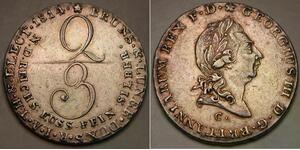
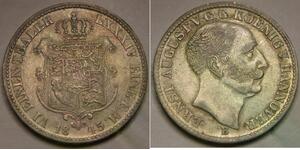
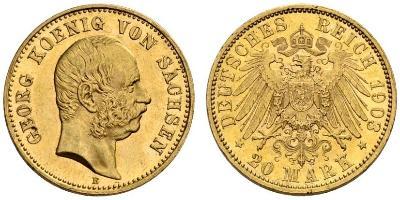
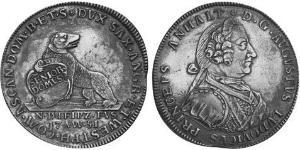
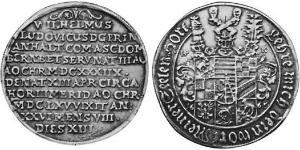
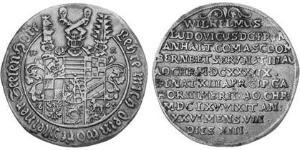
- Historical Context: Introduced later when the state sought to align with international bullion standards, these were used for larger transactions and diplomatic exchange rather than daily wages. They often depict imperial eagles or ducal heraldry.
- Design Features: High relief work on obverses showing crowned portraits and detailed reverse engravings of coats of arms are hallmarks that distinguish this state's output from neighboring Prussia where eagle designs were more dominant.
- Collectible Importance: Silver content remains higher in later issues, making them desirable for investors interested in numismatic precious metal. The scarcity of these pieces comes not just from mintage counts but the survival rate through wars that destroyed many coin hoards across Europe.
Cultural Legacy
The coinage reflects a culture deeply invested in religious expression and artistic innovation, as seen clearly on every surface. The state motto often appears alongside coats of arms to reinforce loyalty to the sovereign house during turbulent times. This cultural layering allows modern observers to read history directly off metal without needing separate textual archives.
Musical patronage was a strong theme in this principality; many composers found refuge or worked here while composing major works that are still studied today. The coins themselves do not always feature musical notation, but the quality of die cutting often mirrors the era's dedication to precision and artistic excellence in other fields.
For Collectors
Anhalt-Köthen remains a cornerstone for specialists focusing on Germanic numismatics from the seventeenth century onward. Each coin tells part of the story about trade, politics, or art history during these formative years before full unification under Napoleon and later Prussia.
- Rarity: Many pieces are rare outside specialized auctions due to their regional use and lower mintage compared to larger states. This offers unique acquisition opportunities for those not chasing common bulk issues.
- Historical Value: The preservation of original state markings allows historians and collectors alike to track territorial shifts as administrative borders changed over decades or centuries following partitions.
- Presentation: Presentation pieces exist in limited numbers, intended for diplomatic gift exchange. These items command attention due to their connection with high culture rather than mere monetary function.
In closing this introduction to the state of Anhalt-Köthen, we invite you to appreciate that while small on a map, its coinage played a crucial role in connecting disparate parts of Germany through currency trade. Every piece found offers insight into how art and politics intersected with daily economics.