| View |
| preceded by | ||||
|
||||

|
|||||||||
 Kingdom of Saxony (1806 - 1918)
|
|||||||||

| succeeded by |
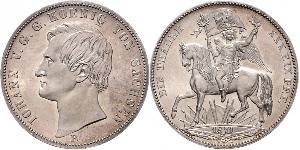
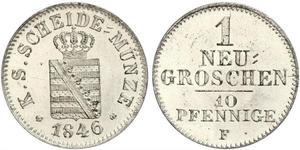
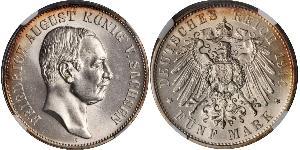
| Kingdom of Saxony (1806 - 1918) | Link to Wikipedia |
Kingdom of Saxony: History, Coinage and Collectibles
Historical Background
The Kingdom of Saxony stands as one of the most fascinating provinces in the tapestry of German history. Its legacy stretches back centuries to the Wettin dynasty, a lineage that managed to navigate the tumultuous political landscape from local rulership within the Holy Roman Empire to becoming a distinct kingdom following the Napoleonic reorganization of Europe.
In 1806, at the height of geopolitical upheaval brought by Napoleon Bonaparte and the dissolution of feudal empires across Central Europe, Saxony was elevated in status. This elevation marked a critical transition period for local monarchies throughout Germany that defined their own sovereignty while aligning with emerging nationalist sentiments.
Saxony's history is deeply intertwined with its cultural capital Dresden, often poetically described as the Florence of the Elbe during the late eighteenth and early nineteenth centuries. This city was a sanctuary for art, science, and humanistic scholarship at that time in Europe. The spirit of refinement present within these walls left an indelible mark on every aspect of Saxon life.
This cultural environment influenced how trade networks were managed locally before unification forced economic alignment across the German lands. For collectors examining this era, understanding the shift from isolated statehood to membership in a unified confederation provides essential context regarding why coinage styles changed so rapidly over two decades leading up to 1918.
The political evolution was not without its challenges as global conflicts threatened economic stability through inflation or war taxes. Collectors often look at coins minted during periods of transition between the Kingdom's era and that of an imperial German currency system, noting how national symbols were grafted onto provincial iconography to honor both local pride and central authority.
Currency and Coinage History
Moving into the late nineteenth century, Saxony issued a distinctive coinage that bridged traditional silver standards with new monetary reforms driven by unification efforts. While most states were forced eventually to align their currency issues under one national standard after 1873, before this centralization occurred, Saxon mints produced unique pieces that circulated throughout the German territories.
Silver thalers served as the primary medium of exchange during earlier reigns and reflected a robust local economy based on agriculture and mining. As the industrial age arrived in Saxony, production needs dictated changes in metal content. It was common to see silver denominations gradually replaced or devalued due to rising costs associated with raw materials.
The German Empire formed under Bismarck required states to issue their own commemorative issues within the unified framework, which provided significant variety for collectors even as standardization took hold in circulation. This period of transition offers a unique opportunity to view how local monarchies retained specific visual identities while adhering to national monetary standards.
The eventual shift toward paper money marked an end to most silver and gold sovereign coinage by the state, creating what is known in numismatic circles as survivorship value today. Because these coins were no longer minted for daily commerce but preserved more often than those issued during periods of economic boom, they command attention from collectors valuing scarcity alongside historical interest.
Mints and Coin Production
The Dresden Mint stands out among institutions across Europe because it maintained an enduring reputation as a center for high artistic quality before the pressures of war forced closures or changes in operation during later years. Artisanal skills were paramount, particularly regarding die cutting technology used to impress fine details into silver and gold blanks.
Minting practices evolved significantly between the mid-nineteenth century when machines began replacing hand hammering methods for mass production while retaining intricate edge patterns that distinguished different mints from one another across Central Europe. The Dresden facility was known specifically for striking high relief designs, ensuring every profile of royal figures appeared crisp and well-defined.
Coinage traditions also reflected the religious identity prevalent within the region at various stages in history. Many pieces feature mintmarks located discreetly near date lines or rim areas that help collectors distinguish one production run from another even when obverse sides appear nearly identical to modern viewers unfamiliar with specific die varieties found inside specialized reference manuals.
Notable Coins
To appreciate the historical depth provided by these items requires examining several key types released during different eras of operation under both Kingdom and Imperial rules. Each design offers clues regarding who sat upon the throne at that moment in history as well as broader artistic trends influencing decorative arts across Europe.
- The Saxon Thaler series from pre-1873 features portrait busts distinctively styled after contemporary French medallions produced earlier during revolutionary years, showing clear continental stylistic influence over local German traditions. These remain highly desirable because they represent one of the last autonomous silver issues before national currency unification mandated standard portraits on coins issued by smaller states.
- Commemorative pieces struck for royal jubilees or coronations often appear in proof sets produced specifically for court presentation rather than commercial circulation, displaying higher quality finishes and detailed engravings. These items carry a premium value due to their rarity within museum collections worldwide today.
- Silver denarii issued under various regnal years also serve as important historical records of metal purity standards changing over time based on economic pressure from fluctuating global markets affecting silver prices during wartime periods leading up to 1908 when most regional mints were forced into cessation after major geopolitical shifts altered their operational status.
Cultural Legacy
The enduring appeal of Saxon coinage lies in the connection between these metal artifacts and broader cultural achievements recognized globally today. The artistic standards set during reign periods often influenced jewelry design, porcelain painting techniques found at local factories, as well as architecture projects sponsored by ruling families seeking to leave a lasting legacy.
Saxony also contributed significantly to scientific advancements across Europe where discoveries made within these boundaries were celebrated with medals or specialized commemorative pieces struck locally and circulated alongside common circulation currency. These artifacts serve now as tangible evidence of how science, art, and monarchy coexisted harmoniously before modern political divisions eventually separated such fields from one another.
The symbolism used on coins often depicted local heraldic animals like the white bear or other regional emblems chosen to identify territory boundaries that have since shifted dramatically after major geopolitical changes reshaping maps throughout Central Europe. Collectors who study these elements find themselves looking at small pieces of art history contained in metal rather than simply examining monetary artifacts.
For collectors
The significance of Kingdom coinage remains strong because each piece provides a visual narrative of political change and artistic expression over more than two centuries. While market values fluctuate based on demand, the historical importance associated with these specific regions ensures they will always be valued by those seeking to understand how currency functioned as both an economic tool and medium for cultural expression.
Serious buyers should consider condition carefully because wear can obscure critical mintmarks distinguishing one production from another or revealing subtle design changes implemented over long reigns that modern observers might easily overlook. The best way to approach acquiring pieces with a focus on preservation is by understanding why certain eras produced fewer issues and how these scarcity levels impact overall historical context available today.
In closing, collecting Saxony coinage invites enthusiasts into exploring not just financial history but also human achievement within Central Europe during an era of remarkable artistic flourishing. The combination of royal legacy with industrial craftsmanship makes this region's currency a compelling subject for serious study across many generations ahead that will continue to uncover new details and stories hidden beneath layers of silver or gold.