| View |
| preceded by | |


 Spanish Mexico / Kingdom of New Spain (1519 - 1821)
| succeeded by | ||||
|

| Spanish Mexico / Kingdom of New Spain (1519 - 1821) | Link to Wikipedia |
Viceroyalty_of_New_Spain : History, Coinage_and_Collectibles
Historical Background
The sprawling domain known as the Viceroyalty of New Spain represented the geopolitical heartbeat of an empire that reached from North America down to present-day South America and across vast Caribbean territories. At its height during the eighteenth century, it was the second largest Spanish viceroyalty in the Americas, encompassing modern Mexico, Central American states, Guatemala, portions of Colombia, Belize, Honduras, Nicaragua, El Salvador, Panama as well as Cuba, Puerto Rico, Florida and some islands of Pacific Ocean.
The wealth generated within these borders reshaped global economics. Silver extracted from massive mines at Potosí flowed north through the Andes to be smelted in Guanajuato or Zacatecas before being coined into Spanish reales and shipped across oceans via Veracruz. This economic engine was not merely a financial construct but a reflection of deep cultural synthesis known as mestizaje, where indigenous traditions blended with European religious orders and colonial administrative structures.
Under the Habsburg monarchs followed by the Bourbons under Felipe V through Joseph II before independence movements sparked in 1808 leading to eventual sovereignty for New Spain after nearly four centuries of rule. The administration focused heavily on regulating trade routes, ensuring that bullion flows maintained stability within Europe while supporting colonial infrastructure projects like bridges and harbors along Pacific coastlines or ports facilitating Atlantic commerce with Europe.
Societal structure was deeply hierarchical during this era where land ownership determined social standing among peninsulares born in Spain versus creoles who were wealthy descendants of settlers locally. This tension often simmered beneath surface prosperity but frequently erupted into uprisings that would eventually dismantle the imperial order by early nineteenth century when Napoleon's invasion weakened control over distant territories significantly.
Currency and Coinage History
The evolution of money within this territory followed distinct patterns characteristic of Spanish colonial systems. Initially, coin production was centralized in Seville or Madrid before being minted locally for efficiency purposes during the late sixteenth century onward. The primary denominations circulated throughout everyday commerce were copper reales used as small change while silver coins dominated larger transactions involving merchants trading goods like textiles from Europe against cacao beans harvested from south of Mexico.
The Spanish peso became known globally by various names including Maria Theresa dollar or Eight Reales which gained acceptance beyond colonial boundaries across Asia and America. These heavy pieces were essential to international trade networks that linked Manila galleons with Acapulco before being shipped back westward carrying bullion worth millions in silver content alone measured today.
The transition period during the early 1800s marked significant changes as independence movements forced local governments to assume monetary responsibility themselves. New designs appeared bearing Mexican national symbols rather than Spanish royal insignia showing clear shift toward sovereign expression even before full recognition of republican status was achieved in later years following wars.
This currency evolution tells a story much larger than mere economics; it represents the shifting tides of political power that transformed colonial subjects into independent nations while leaving behind artifacts preserved through centuries for modern appreciation by historians and enthusiasts alike. The stability or instability of these coins often reflected broader geopolitical health, with silver shortages during war periods resulting in debasement attempts that collectors study to understand historical contexts regarding governance effectiveness.
Mints and Coin Production
The heartbeat of colonial monetary issuance lay within the Casa de Moneda located near Mexico City specifically along Calzada del Tepeyac street before moving slightly due urban expansion requirements later. Established in 1536, this facility remained operational until independence wars forced temporary closures or reorganization during turbulent years when supply chains were disrupted by revolutionaries demanding control over precious metal reserves.
This mint followed traditions set earlier at Seville but adapted quickly to American conditions using local ore sources while maintaining European stylistic preferences dictated from the monarch's court. Production technologies evolved significantly across these centuries; early hammered coins gave way to more efficient stamped processes introduced during eighteenth century reforms aiming for consistency and higher volume output required by growing commercial networks serving both Atlantic trade lanes.
The artistic characteristics found on strike pieces reflect broader Baroque trends prevalent in European art before shifting toward Neoclassical influences later. Artists often worked directly under patronage of viceroys who commissioned reliefs depicting coats-of-arms or religious figures such as the Virgin Mary appearing prominently since faith served spiritual justification for colonial occupation itself.
The quality control maintained was rigorous, with assay marks placed carefully alongside legends describing monarch names and mint locations. These markings allowed collectors to trace origins even when pieces had been worn smooth through centuries of circulation across continents separating production centers from places where specimens ended up in private hands after independence established new national borders around territories previously unified under viceroyalty.
Notable Coins
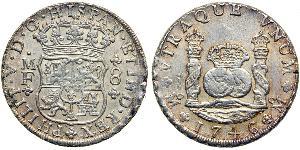
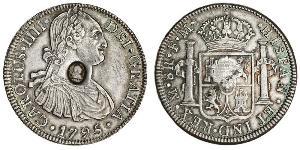
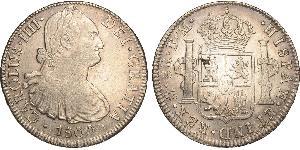
Few coins represent the fusion of art and empire quite like those struck at the Mexican Mint during reigns of Felipe V or Carlos IV. One prime example is the famous Peso de Ocho Reales known today as Spanish Dollar whose reverse often features laurel wreath surrounding coat-of-arms representing New Spain itself instead of European royal symbols seen earlier in era.
The 1759 Coronas represent gold currency intended for large scale payments within high society or government contracts. These coins showcase intricate engraving quality that highlights craftsmanship available only through imported master artisans trained under strict guilds before migrating overseas themselves to find employment opportunities away from restrictive restrictions back home in Europe.
A particularly significant issue emerged during war periods where emergency financing required debasing coinage standards temporarily until stability returned later. Such specimens allow historians and numismatists alike study how economies adapted stress when political structures faltered unexpectedly leaving behind artifacts documenting resilience amidst upheaval experienced across entire colonies simultaneously due to events occurring elsewhere.
The Maria Theresa style pieces circulated widely during early colonization days before standardization efforts brought uniformity under later Bourbon reforms. These older denominations were collected for rarity value as well historical connection they have with earliest years when Spanish galleons arrived first carrying bullion worth counting only by weight until machines allowed mass production of identical units faster than manual work could accomplish previously.
Cultural Legacy
Beyond their financial utility, these pieces serve as permanent records of colonial identity and cultural values. Religious iconography appears frequently on reverse sides where figures like Saint Michael or Virgin Mary are depicted alongside legends invoking divine protection over shipping routes connecting Europe with distant American ports.
The artistry involved in striking coins was not merely technical but carried deep meaning related to state legitimacy which required royal permission granted by monarchs before production began. Each design element, from the depiction of specific flora representing local growth zones like agave plants found growing abundantly near Mexico City outskirts compared to olive trees seen traditionally on Spanish shields elsewhere.
The shift toward nationalistic symbols during transition periods highlights how coinage became a tool for nation-building as independence movements sought visual representation separate from former imperial dominance. This legacy continues today where museums display these artifacts alongside manuscripts describing daily life of inhabitants living under viceroyalty laws or religious orders governing moral conduct throughout society.
Their presence in modern collections ensures stories told through metal continue resonating with audiences who appreciate craftsmanship preserved centuries ago during era defined by exploration and colonization ambitions stretching across oceans separating civilizations until global trade unified them further later historically speaking.
For collectors
For today’s enthusiast, the history contained within these pieces offers insight into how wealth was accumulated before banking systems existed globally yet relying instead on portable metal backed by royal promise of stability. Collectors often start with common silver denominated units from late eighteenth century periods moving toward earlier examples when mint outputs were smaller or later issues produced during independence transition years.
The importance extends beyond monetary value because these coins embody the narrative arc of empire rising, adapting and eventually dissolving into modern nations like Mexico. Owning a piece allows participation in that story physically holding tangible evidence from time period where exploration was paramount concern for explorers seeking riches across uncharted waters leading back home to European shores.
Determining what constitutes desirable material requires knowledge of preservation conditions, provenance documentation and stylistic features distinguishing one era’s design choices over another. While prices fluctuate based on market demand generally speaking among serious collectors value remains tied historically significance attached each type regardless its current face appearance condition wise or rarity levels involved during original strikes decades ago.
Investigating these specimens reveals how far-reaching influence of Spanish colonial administration was throughout world economy before fragmentation occurred leading toward republican governance under new leaders inspired by American revolutions across Atlantic oceans. The story continues through museums now displaying artifacts alongside texts helping scholars and general public understand complex social structures built upon foundations laid down generations ago when silver flowed southward from mines.