| View |


|
|||||||
 First Mexican Empire (1821 - 1823)
|
|||||||


| First Mexican Empire (1821 - 1823) | Link to Wikipedia |
First Mexican Empire: History, Coinage and Collectibles
Historical Background
The First Mexican Empire stands as a pivotal chapter in Latin American history, bridging the colonial era with modern nationhood. Following decades of simmering tension under Spanish rule, the War of Independence left the Americas exhausted yet determined to forge their own political destiny. This brief imperial period sought stability through the lens of constitutional monarchy, an ambitious attempt to blend European tradition with local realities in a new world.
The movement for independence was not merely about separation; it required economic integration and national cohesion. Merchants needed predictable currency systems to operate across borders that were no longer tied solely to Europe. The political climate shifted rapidly after the signing of treaties recognizing sovereignty, leading to brief attempts at governance by Agustín de Iturbide before republicanism fully took hold.
Culture played a central role during this transition period. Society was diverse, comprising indigenous populations mixed with creole elites and foreign traders who relied on trade routes connecting New Spain to Asia and Europe. The new government needed symbols that could unify these disparate groups without relying entirely on Spanish heritage or exclusively adopting republican iconography immediately.
Economic conditions influenced the cultural narrative significantly as well. Following years of conflict, silver production was critical for state revenue but vulnerable to disruption by war veterans seeking gold rather than governance. This fragile environment meant every coin minted held weight beyond its face value; it represented a commitment from leaders who were just beginning their tenure in this volatile new landscape.
Currency and Coinage History
The evolution of money during the First Mexican Empire marked a definitive shift from colonial tribute to independent national currency. During the long span of New Spain, coins arrived from Spanish mints or circulated as foreign imports like British dollars. However, independence created pressure for sovereign control over monetary policy.
The government moved quickly toward establishing standards aligned with international silver norms but distinct in their legends and designs. Early issues often retained familiar imagery to ensure public trust among those accustomed to colonial pesos while subtly incorporating new national symbols on the reverse or obverse sides of coins.
This period witnessed monetary reforms aimed at stabilizing trade flows essential for rebuilding infrastructure after independence. Merchants were reluctant to hold devalued coinage, and state officials recognized that maintaining silver weight standards was vital for international acceptance in markets like California and China where Mexican gold flowed freely despite political instability back home.
Furthermore, the decision to mint new pieces served as a form of propaganda during times when government control over resources fluctuated. Coins became tools used to assert legitimacy on the part of leaders claiming sovereignty without immediate recognition from other nations or traditional monarchies across Europe.
Mints and Coin Production
The Casa de Moneda in Mexico City served as the central hub for this ambitious effort at numismatic production. This facility was equipped with machinery capable of producing both hammered coins and later pressed issues, reflecting global trends that reached local hands through British or French agents supplying equipment during early independence.
Minting traditions blended Neoclassical influences seen in Europe with indigenous aesthetic sensibilities adapted by artists working within this specific regional context. Dies were hand-crafted rather than mass-produced mechanically due to technological limitations and political urgency which favored speed over perfection when state stability depended on public confidence.
The artistic characteristics distinguishing these works include bold relief work meant to endure harsh tropical climates without rapid wear, alongside imagery that respected Catholic traditions while incorporating republican concepts of liberty visible in some design choices later adopted under subsequent regencies. The quality varied widely depending upon which political faction controlled the mint machinery at any given time.
- Silver Standards: Strict adherence to colonial weight measurements ensured compatibility with older Spanish pieces before new designs replaced them.
- Copper Issues: Smaller denomination denominations circulated locally for everyday commerce despite political turmoil affecting large scale minting operations abroad or in Mexico City directly
- Artistic Style: Transitioned from royal busts to national eagles on coins as independence progressed through its legislative stages.
Notable Coins
The coinage of this era offers collectors a fascinating glimpse into the struggle for identity. Several issues remain prized because they document specific moments when sovereignty was contested or asserted upon metal surfaces that would circulate daily in markets across Mexico and beyond.
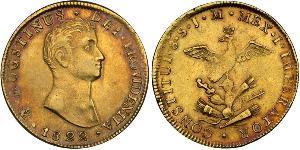
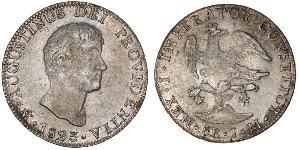
- Silver Real de 8 Reales: Perhaps the most significant issue from this early period, these coins often bore dates marking the transition years. While retaining familiar imagery like the Spanish Virgin Queen or Eagle motifs adapted to represent independence victory rather than monarchy alone, their legends changed subtly to reflect new authority figures.
- Mint Mark Variations: Many silver dollars produced during this short-lived empire period show minor alterations in mint marks indicating which factory issued them or if they were struck under specific regency before full imperial recognition. Collectors seek out examples showing clear die states where designs evolved over a span of only months.
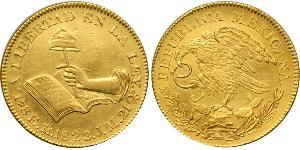
- Eagle Motifs:: Coins bearing the Mexican Independence Eagle replacing previous coats-of-arms represent cultural continuity through design rather than just political statement alone, appealing to those who appreciate how art forms evolve during revolutionary change in other regions worldwide
Cultural Legacy
The coinage from this nation reflects its culture and economy by merging indigenous heritage with global trade practices. The symbols used on coins—often featuring Aztec eagles alongside European motifs of the Virgin Mary or classical Greek gods in attire borrowed for political legitimacy—demonstrate how leaders sought to validate their authority through diverse cultural lenses.
Economy relied heavily on silver exports, meaning these metallic tokens were often carried across oceans rather than just circulated locally. This created demand among foreign collectors who recognized Mexico as a source of precious metals even before modern geopolitical shifts made it an international economic powerhouse for generations afterward.
Symbols chosen by leaders conveyed messages about their relationship with both traditional monarchy and emerging republican thought processes that would eventually dominate Latin American politics throughout the nineteenth century. These dual influences can be seen clearly when examining early issues produced under various names but unified through shared aesthetic traditions of silver coinage from across continents before technology standardized everything.
For collectors
The First Mexican Empire remains important to collectors today because it represents a rare opportunity to own artifacts that bridge the gap between colonial history and modern nationhood. Holding these pieces allows enthusiasts to hold in their hands physical proof of independence movements led by local populations seeking autonomy within international borders.
The rarity of some examples makes them valuable historical documents that tell stories not written down yet preserved through trade networks spanning Pacific and Atlantic oceans where merchants trusted one another based on silver standards alone before governments recognized those nations fully as independent states.