
 Gdansk (1454-1793)
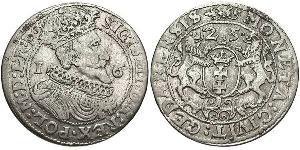

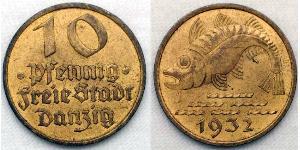
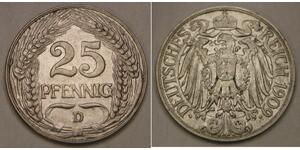
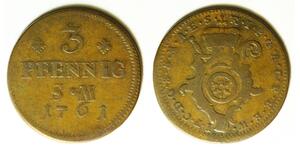
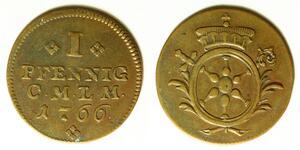
| Gdansk (1454-1793)from the Wikipedia | Read original article |
History of Gdańsk (Danzig): History, Coinage and Collectibles
Welcome to a journey through one of Europe's most compelling chapters in numismatic history: The Kingdom of Poland. For the serious collector, few regions offer such deep connections between trade routes, statecraft, and metal work as this ancient Polish domain did from 1450 until the partitions at the turn of the eighteenth century.
Historical Background
The political geography of Northern Europe has always been a fluid landscape. To understand the coins you hold today requires understanding how states were built through marriage, treaty, and trade rather than merely conquest. In 1454, during a turbulent era in Polish history known as the First Partition or Union with Prussia, the city of Gdańsk (Danzig) was granted an autonomy that placed it within the sphere of influence of King Casimir IV.
This period saw Poland emerge from centuries of struggle against the Teutonic Order and its successor state to unify under a strong royal authority. The region grew into a powerhouse for maritime commerce, connecting Western Europe with Northern ports in Russia and Sweden. Gdańsk was not merely a city; it served as an economic gateway through which silk, timber, grain, and wax flowed.
Cultural life flourished alongside economics. This era of prosperity allowed the monarchy to mint high-value currency for domestic commerce while relying on foreign coins or issuing specific trade tokens that circulated in markets from Riga to Livonia. By 1793, following centuries of shifting alliances including the rise of Prussian dominance, this economic heartland underwent changes again as the state boundaries shifted towards Germany and Sweden. But the legacy left behind for collectors is profound—a blend of Eastern Slavic traditions meeting Western Gothic artistic styles.
Currency and Coinage History
The monetary system in Poland evolved alongside a shifting political map that encompassed both Catholic regions and Protestant territories like Royal Prussia, which included Gdańsk. Money began as simple exchange tokens but became highly sophisticated instruments of state power by the sixteenth century.
A crucial development occurred when local minting authorities were authorized to produce currency backed by foreign bullion flows. This was essential for a merchant city like Danzig, where international merchants required confidence in payment quality. By the late medieval and early modern periods, Poland introduced the concept of fixed exchange rates with major European mints such as Augsburg or Nuremberg.
This period saw significant reforms aimed at stabilizing currency value to combat inflation caused by over-minting during times of war. The introduction of silver coins bearing royal portraits became a symbol of unity across diverse territories under the Crown, signaling that money could be accepted regardless of local religious differences or border crossings between Polish lands and Royal Prussia.
Mints and Coin Production
To understand what you are looking at in your album, one must know where these coins were struck. While Kraków served as the primary royal mint for gold issues like crowns of silver content known to collectors today (the *Złoty* or *Gold*), Gdańsk itself produced high-quality trade coinage.
The city was famous not just for its port, but also for its artistic contribution to metalwork. Polish mints in this region utilized advanced hammering techniques that allowed for finer detail on the obverse and reverse than typical medieval pieces seen elsewhere. These workshops operated under strict oversight from royal chancelleries.
Tech & Traditions:
- The use of local copper ore enriched by imported lead to create durable half-groschen denominations was common practice.
- Coin designs often featured the image of the reigning monarch or religious iconography like St. Florian for fire protection, reflecting cultural fears and hopes prevalent in a city constantly at risk of conflagration during wartime sieges.
Notable Coins
Let us pause to appreciate the artifacts that best represent this era of numismatic brilliance. Three types stand out for collectors interested in historical authenticity and design evolution:
- The Gros or Gross Florin (Krakow & Gdańsk Mint Issues):
- The Copper Half-Groschen (Trade Tokens):
- The Silver Taler:
This is one of the most recognizable silver pieces from this period, used throughout the Kingdom. Its obverse often depicted a crowned cross with the arms of Poland and Lithuania combined, symbolizing union in faith and territory. The reverse might display shields or mottos referencing Gdańsk's autonomy.
Minted for local commerce within Royal Prussia & Danzig markets, these small copper pieces bore distinct marks of the city council. They tell a fascinating story about how cities controlled their own economic policies even when sovereigns were involved.
Circulating alongside foreign currency like Florins or Thalers from Augsburg, Polish silver denominated pieces served as the standard for large-value transactions. The design quality on these high-denomination coins is particularly notable among those who study numismatic artistry.
Cultural Legacy
The coinage of this region was more than just metal—it was a mobile museum piece carrying messages about power, religion, and commerce. You will find that many Polish issues featured crosses or shields rather than modern political symbols like flags (which were not yet in use). Religious tolerance during certain reigns allowed for diverse artistic expression on the coins themselves.
The city of Gdańsk, with its distinct Gothic architecture and bustling harbor markets, is reflected in these designs. Collectors find that analyzing a coin from this region reveals how much Poland traded culturally rather than just militarily; you can literally hold history of diplomatic relations between Catholic Easts and Protestant Wessts.
For collectors
This era remains vital for those who appreciate the narrative depth found in every scratch on an old coin. While modern catalogs often list dates alone, true connoisseurship looks at style changes reflecting shifts from Gothic to Renaissance aesthetics over several centuries. Whether you are building a series of Kingdom-era silver issues or hunting down rare local trade tokens representing specific years like 1454-69, each piece connects you to an era where Poland was not just landlocked but central to Northern European maritime exchange.
The enduring appeal lies in the dual heritage: coins that speak simultaneously to Polish statehood and their time within a German-speaking commercial sphere. For serious enthusiasts of numismatics with interests in early modern monetary history, this collection offers unparalleled depth into how money was used as an instrument for peace between rival kingdoms.