| View |
| preceded by | |
|
|||||||||
 Straits Settlements (1826 - 1946)
|
|||||||||


| succeeded by | ||||
|

| Straits Settlements (1826 - 1946) | Link to Wikipedia |
Straits Settlements: History, Coinage and Collectibles
Welcome to a journey through the bustling maritime history of one of the British Empire's most strategic commercial hubs. The Straits Settlements represents a fascinating chapter in global trade, serving as a crucial bridge between East Asia and India during an era when commerce was defined by sea routes rather than air travel.
Historical Background
The formation of this union began not merely with political fiat but through the natural convergence of spice routes. Penang (or Prince of Wales Island), Malacca, Singapore, and later Labuan formed a collective administrative unit under British influence starting in earnest during 1826. This arrangement was solidified further by Royal Decree establishing the settlement as a single entity within the British Crown's jurisdiction.
The history here is defined largely by economic utility rather than territorial conquest for territory's own sake. These islands functioned as free ports, allowing goods to pass through with minimal tariff friction in exchange for military and administrative control. Over time, the region shifted its trading focus from cloves and nutmegs to tin exports, rubber, pepper, and eventually oil. This economic evolution directly dictated how money was spent within these colonies.
Socially, it was a melting pot of merchants from India, Chinese immigrants, Eurasians, and indigenous populations creating a unique cosmopolitan culture visible on the streets today but captured permanently in copper and silver during its colonial existence. The infrastructure built to support this trade—railways connecting mines to docks, steamships docking at wharves—all depended upon financial systems capable of rapid turnover and trust across oceans.
Currency and Coinage History
The evolution of currency in the Straits Settlements tells a story of standardization. In its early days, barter and local tokens were common alongside incoming Indian rupees. However, for international trade to function smoothly with China and Southeast Asian neighbors, the colonies required their own distinct monetary sovereignty that adhered to sterling weight standards.
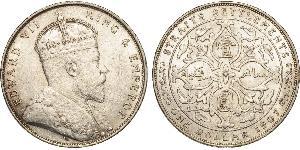
The silver dollar became the backbone of daily commerce throughout this region during the late nineteenth century. It replaced previous heterogeneous currencies which caused confusion in pricing markets across borders. By establishing a fixed exchange rate with the British Pound Sterling, colonial authorities facilitated investment and capital flow from London into local enterprises like rubber plantations.
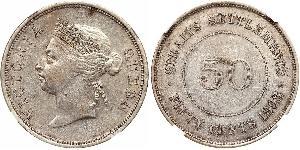
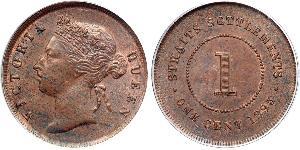
A critical period for collectors involves the early twentieth-century reforms where copper-nickel cents introduced alongside silver denominations streamlined small change transactions for retail goods. The shift to these modern coins replaced heavier silver pieces that were better suited for wholesale bulk trade rather than a single cup of coffee or cloth purchase. This transition is evident in how much lower value circulated more frequently on the streets, while higher gold and silver reserves remained with banks and wealthy merchants.
Mints and Coin Production
The logistics of coinage production were complex during this period because local infrastructure was limited compared to mints back home. While coins bore official dates indicating their year of issue, many early issues actually arrived from Bombay or Calcutta before being released into the Straits market.
As technology improved and population growth demanded more currency, minting capabilities expanded locally under supervision by officials appointed directly in London. The artistic quality often reflected British engravers working abroad rather than local artisans, which ensured consistency with imperial standards yet occasionally allowed for regional stylistic nuances when approved designs were adapted to fit tropical aesthetic sensibilities.
Different locations like Singapore or Penang produced variations within the same denominations due to distinct dies employed at each center. Collectors can distinguish these by subtle differences in the lettering style, border details and even wear patterns common on coins circulated heavily for transport goods versus those kept as reserve funds during wartime disruptions.
Notable Coins
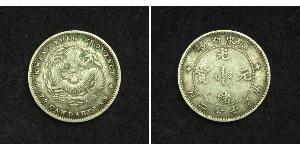
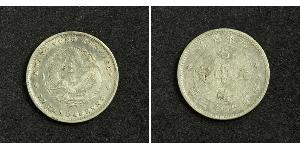
The early silver florins remain among the most sought after pieces due to their elegant design elements which combine classical British portraiture with local heraldic motifs representing maritime defense and trade stability. These high-value coins were rarely circulated but often minted in large numbers for export or banking reserves, making well-preserved examples highly interesting historically.
A particularly significant series features the Jubilee commemorative issues produced during Queen Victoria's golden jubilee celebration. Although technically part of a broader British Empire issue list, these specific denominations carry an aura of regional prestige and celebrate local economic success stories tied to imperial expansion at its peak.
The transition from portrait representations of monarchs into modern depictions marked by Edward VII introduced subtle changes in die quality that collectors analyze closely. These later issues often feature sharper relief on the crowns depicted, reflecting advancements in minting pressure technology applied over decades since initial establishment when metal availability was a more pressing concern than fine detail workmanship.
Cultural Legacy
Beyond mere utility as small change or investment assets, these coins reflect broader cultural dynamics present at the time. Symbolism found on various issues often depicted local flora like orchids or fauna such as hornbills subtly integrated into backgrounds representing natural beauty and biodiversity inherent to Southeast Asia.
The economic policies enforced through coin circulation reinforced stability among diverse ethnic communities working together within a shared marketplace environment where trust in currency equaled trust in government administration. The legacy remains evident today as modern nation states continue using designs derived from these original colonial templates but updated for independence-era identity expressions without losing historical connection.
For collectors
Tapping into this market involves understanding that condition and rarity determine value rather than face printed on coins or dates alone. Because many early issues entered circulation through banking channels before entering common use, survival rates are relatively low for very high denominations compared to lower-value copper counterparts.
Priorities
- Condition:
- Date combinations:
- Mint marks and regional variations:
Investigating these elements allows new buyers to build collections that tell a complete narrative arc about this pivotal region without needing specialized price guides for rare items.