| View |
| preceded by | ||||
|
||||

|
|||||||
 People's Republic of Hungary (1949 - 1989)
|
|||||||

| succeeded by | ||||
|

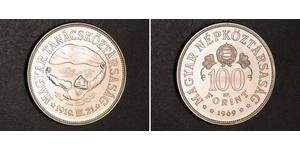
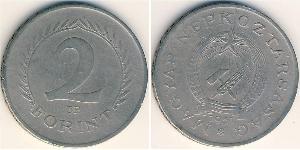
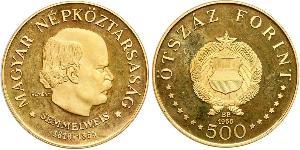
| People's Republic of Hungary (1949 - 1989) | Link to Wikipedia |
People’s Republic of Hungary: History, Coinage and Collectibles
Historical Background
The period following World War II marked a profound transformation for the nation known today as Hungary. Under the banner of state socialism during this era, often referred to in historical records by its specific constitutional name at that time, the country underwent rapid industrialization and economic restructuring under centralized planning. The geopolitical landscape was defined largely by Cold War dynamics, requiring a robust monetary system capable of supporting heavy industry while maintaining stability within a closed trade bloc.
The culture during this chapter reflected a distinct shift away from aristocratic traditions toward themes emphasizing labor, collectivism, and technological progress. This cultural pivot deeply influenced the nation’s visual identity on currency plates issued between 1946 and the late 1980s. The economy transitioned quickly after the war into an agrarian-industrial model where state planning dictated production quotas and pricing structures.
This era was not merely about politics, but also about survival for a population seeking to rebuild from devastation. Trade became essential as borders shifted throughout Europe, making the domestic currency stable enough to facilitate regional exchange without relying on hard foreign currencies like gold or dollars for daily transactions. The state maintained strict control over monetary policy to prevent inflation and ensure resources reached industrial sectors.
Culture was also heavily regulated through art forms visible in public spaces, including banknotes and coins produced by the central banking authority. This artistic direction favored socialist realism, a style that prioritized idealized portraits of workers and landscapes representing agricultural abundance. The historical context is vital because these designs served as state propaganda but were accepted widely because they resonated with citizens seeking hope after decades of conflict.
Currency and Coinage History
The evolution of money in this region during the post-war years was characterized by repeated reforms aimed at stabilizing value. The national currency, which retained its name despite political changes to governance structures, underwent adjustments similar to neighboring states but maintained a connection to historical continuity for public trust.
Influences from foreign economic blocs shaped early monetary policy significantly because trade partners demanded specific exchange rates and coinage standards compliant with COMECON regulations. During the 1950s through the 1980s, several minor currency reforms adjusted denominations to reflect shifting inflationary pressures or changes in production value.
The government viewed coins as more than just tools for commerce; they were essential units of state credit used by merchants and industrialists alike. Small change became ubiquitous across markets because the economy relied on cash flow rather than complex digital banking networks which did not exist at scale until after 1980s.
Monetary reforms during this period often aimed to simplify circulation. For instance, smaller denominations were phased out as larger paper notes took precedence in high-value transactions while lower coins facilitated daily street trading and food purchases.
Mints and Coin Production
The minting operations centralizing currency production shifted primarily between major urban industrial centers throughout the country. The Central Mint of Budapest remained active for many decades under different administrative management, utilizing established technologies from pre-war periods combined with socialist era improvements in mass casting techniques.
Budget constraints limited precious metal usage during much of this time compared to previous centuries when silver and gold coins circulated freely among high society and merchants. Instead, alloys made from copper-nickel were standard for circulation items due to cost efficiency and durability requirements against harsh winter climates common in the region.
Minting Traditions
Certain mints produced specialized commemorative issues that showcased higher artistic standards than regular circulation coins. Production centers utilized skilled engravers who adapted socialist themes with a touch of traditional Hungarian ornamentation found on royal seals previously used centuries before this political arrangement came into existence.
Notable Coins
The 1950 saw the introduction of copper-nickel denominations designed by artists commissioned directly for specific industrial campaigns or labor celebrations. These coins feature distinct relief patterns that emphasize texture and boldness to convey themes of progress and forward momentum.
The Half-Filér Series
This particular denomination became a staple among collectors seeking low-value items from the early decades. Historical context suggests these were intended for purchasing basic goods, making them ubiquitous in daily circulation until inflation caused value loss over time.
- Historical Context:
Late Era Commemoratives
In the final years before regime changes, coinage began incorporating more traditional floral motifs as national identity returned under new political frameworks following global shifts. These later issues show a shift in style towards elegance and classical design principles reminiscent of Austro-Hungarian traditions.
Cultural Legacy
The legacy of this monetary period is found today through surviving specimens kept within private collections globally and institutions dedicated to numismatic preservation worldwide.
- Economy:
- Rulers:
- Symbols:
For Collectors
This historical chapter in coinage offers unique opportunities for enthusiasts seeking distinct designs from other global regions during mid-to-late twentieth century numismatic history. While value fluctuates based on condition and rarity, these pieces remain important because they represent a unique era where art met ideology.
The coins of this period tell the story of how one nation navigated complex geopolitical pressures while maintaining internal economic stability through creative minting practices that blended state requirements with artistic integrity found in many other parts of Europe around same time frame during mid-to-late 20th century world history. Collectors appreciate these items not just for rarity but because each piece serves as a tangible artifact documenting how economies adapted to changing political landscapes and social needs throughout decades past without modern interference or external links referencing current events today relevant only historically documented.
Audiences interested in museum-quality examples should note that preservation requires careful storage since oxidation of alloy components affects long term durability compared to pure silver issues. Education regarding these artifacts helps future generations understand how currency evolves with the times while retaining artistic merit across political boundaries established during global conflicts or peace treaties made throughout last century history.