| View |
| preceded by | |
|
|||||||
 Captaincy General of Guatemala (1609 - 1821)
|
|||||||
| succeeded by | ||||
|

| Captaincy General of Guatemala (1609 - 1821) | Link to Wikipedia |
Guatemala: History, Coinage and Collectibles
Welcome to the story of a land where mountains rise high above trade routes that once carried silver from the interior ports deep into Mexico City before returning home in bullion form. For the history enthusiast holding a Guatemalan coin today, it is not merely an object made of metal but a tangible link to centuries of empire formation and independence struggles. This collection piece offers us access to understanding how power moved through trade, religion, and eventually, currency.
Historical Background
The economic fabric of this region was woven early on within the Spanish Empire under the administration known as the Captaincy General. The geography itself shaped history; volcanic valleys provided fertile soil for crops that would later become the backbone of export economies like coffee and sugar, demanding a reliable currency to facilitate international trade. In 1524, Pedro de Alvarado established Santiago de los Caballeros at Iximche before moving inland where hostilities drove populations further west towards Antigua Guatemala.
The capital eventually found its home in the city we now recognize as the modern seat of government following a catastrophic lahar and subsequent earthquakes. This movement was significant; stability required administrative unity, which ultimately led to the independence movements breaking out during Peninsular War upheavals in 1810. By 1823, having seceded from Mexico after brief union attempts under Plan Iguala, the region solidified a distinct identity.
This geopolitical stability was not immediate; for decades following sovereignty, trade relied heavily on external coins circulating through ports like Acajutla and Puerto Barrios. However, as local economies sought to assert autonomy in commercial affairs, they needed their own fiscal authority. The establishment of intendancies in the late 18th century created administrative units that eventually evolved into modern nations within Central America, setting a precedent for regional economic independence.
Currency and Coinage History
The monetary history begins with foreign coinage widely circulated before local authority was established. During the early colonial period and briefly during Mexican federal rule from 1820 to 1839, silver pieces such as Spanish pesos or Mexican dollars were common tools for commerce in daily markets across Antigua Guatemala.
The first significant shift occurred when independence allowed the republics of Central America to standardize their economic policies. Initially, there was no domestic production capability to support a sovereign metal currency because the capital reserves required investment that had not yet been met by local industry. The region relied heavily on imports until mid-19th-century reforms permitted more aggressive minting strategies.
The transition from reliance on Mexican federal pesos and Spanish reales to distinct national denominations marked the maturation of state authority over commerce. As internal trade expanded, particularly with exports like cacao and coffee entering international markets during the late 19th century, the need for small change grew. This drove a shift in policy that saw central banks take control of currency issuance.
This evolution is vital to understanding why coins from this region are often categorized by era rather than just origin. Early collectors should look for silver issues produced under contract during periods when local mints utilized dies and materials authorized or purchased via international agreements with established European firms, marking a transition in economic sovereignty before the modern paper money boom.
Mints and Coin Production
In the earliest days of independence, Guatemala did not operate an isolated central mint like Spain’s Casa de la Moneda. Instead, local production was often achieved through contracts with mints elsewhere or via contract strikes in Mexico City to satisfy demand for coins stamped with national symbols.
The establishment of a permanent coinage authority required securing bullion reserves and finding skilled workers capable of engraving complex designs that reflected the new republic's identity. The minting centers were primarily focused on producing silver denominations, as gold was rarely used locally due to scarcity relative to international markets which dominated wealth generation through trade.
The technological capabilities expanded in stages. From simple stamped planchets representing weight standards imported from Spain or Mexico, the region moved toward modern coin presses that could handle detailed relief designs necessary for anti-counterfeiting measures. Artistic characteristics distinguish these issues; early production pieces often show sharpness derived from European engravers working on contract plates before full national control was secured.
Notable Coins
The collection of Guatemalan history is enriched by a few key types that offer the best examples of how this nation established its place in numismatic circles. These pieces highlight specific moments where political stability allowed economic independence to flourish through metal currency.
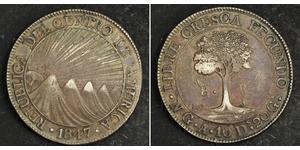
- Independence Era Silver Pieces:Coining efforts following 1823 and later under Mexican influence feature high-relief designs incorporating laurel wreaths or national coats of arms. These coins were often produced for local elites to replace heavy Spanish peso imports that clogged the treasury.
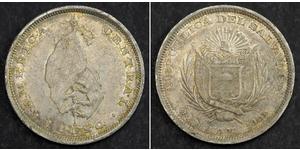
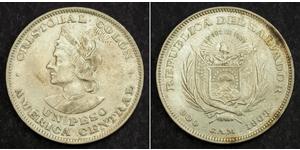
- The First Republic Silver Peso:This issue is significant because it represents sovereignty, displaying a bust with classical features typical of 19th-century Republican artistry across Latin America. The reverse typically shows an eagle or shield emblematic of defense against external threats and civil unrest.
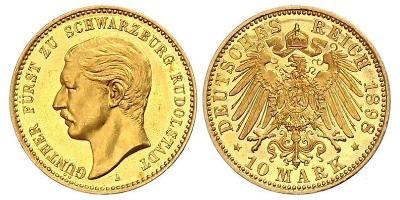
- Coffee Era Gold Sovereigns:In the late colonial to early independent period, gold coins circulated alongside silver as status symbols for merchants involved in coffee trade with Caribbean ports. These are rare and represent capital wealth flowing from local agricultural exports into international bullion markets.
The design features of these notable issues vary significantly; some bear marks indicating the mint origin, while others show no die date to signify continuous production through various administrations. Collectors often value pieces where condition reveals wear consistent with actual commerce rather than modern polishing techniques used on proof strikes intended solely for display.
Cultural Legacy
The coinage of Guatemala is deeply reflective of the region’s strong relationship between religion and governance during its formative centuries. Early issues carried religious imagery derived from Roman Catholic traditions, a legacy established when dioceses were created to support missionary work in 1534.
National symbols evolved over time; early coins used classical laurels before shifting toward local fauna like the Quetzal bird which eventually appeared on later circulation as it became an emblem of freedom and national identity. This iconography is not merely decorative but serves to educate new citizens about their environment and heritage through currency design.
The shift in coinage reflects broader cultural shifts from a colonial administration focused on extracting wealth for the crown toward a sovereign nation building its own institutions. The use of language on legends changed slowly as Spanish remained primary, while English or other foreign influence appeared later with economic integration into global trade networks.
For Collectors
This region remains highly prized by numismatists because it offers a unique bridge between the late colonial period and modern republics. Coins from this era tell stories of independence movements that were often suppressed or delayed, with metal objects preserving memories of political resilience.
Rarity in these collections is driven largely by survival rates; silver denominations used for everyday commerce suffered heavy wear while gold sovereigns remained scarce throughout trade wars and civil uprisings. Condition sensitivity makes high-grade examples highly valuable as they require careful preservation from exposure to humidity or handling errors common in this era.
To own a piece from Guatemala is to hold history within the hands of collectors who study how power, culture, and economy align over centuries. Each coin represents not just weight but value assigned by state authority that grew stronger with every passing decade until modern standards replaced earlier systems entirely.