| View |
| preceded by | |
| Guatemala | ||||||||||
|


| succeeded by |
| Guatemala | Link to Wikipedia |
Guatemala: History, Coinage and Collectibles
Greetings to fellow enthusiasts of rare metals and forgotten empires. Welcome to an exploration of Guatemala, a nation in Central America where the weight of history is often best felt not through stone monuments alone, but through silver struck from local veins and gold refined for trade with the world.
Historical Background
To understand the coins that passed from hand to hand across this region, one must first appreciate the soil from which they sprang. Before Europeans set foot upon these shores, a sophisticated civilization thrived here under the Maya people, who engaged in long-distance trade and utilized barter systems predicated on cacao beans and woven textiles. When Spain arrived, it brought with it not only new languages but entirely new concepts of value.
The conquest fundamentally altered local economy; silver became lifeblood for both colonists and merchants. However, true political transformation occurred during the early nineteenth century. In 1821, Guatemala gained independence from Spanish rule. Yet, stability was elusive as nations sought their footing within a volatile continent. The nation frequently joined the Federal Republic of Central America before establishing itself again in subsequent decades.
This period of formation shaped every aspect of life here. Trade remained difficult due to frequent conflicts between neighbors and internal divisions. Consequently, commerce relied heavily on bullion rather than standardized paper notes for large transactions. Gold was discovered near Panajachel and Quetzaltenango during this turbulent era, fueling local economies that eventually supported mint production. When wars broke out over borders or political control, coins were the first casualty, melted down to fund armies.
Culture also played a vital role in defining the nation's identity on coinage. The blend of indigenous heritage with European traditions meant that artistry was always influenced by two worlds: one ancient and rooted in the jungle temples of Yaxchilan or Copan, another sophisticated and classical from Madrid and Mexico City.
Economic development shifted over time as coffee became a primary export crop. This new wealth allowed for larger minting programs but also invited foreign powers to influence monetary policy when instability threatened currency value. The story is one of adaptation; how this nation turned chaos into commerce, eventually creating stable currencies that served global trade.
Currency and Coinage History
The evolution of money in Guatemala began with the Spanish Real de Acedo, minted locally during colonial times. These were silver coins based on the weight standard established by Spain but carried distinctive markings identifying their place of origin. As independence arrived, new designs replaced royal portraits.
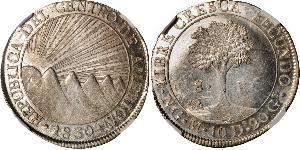
In the mid-nineteenth century, reformers looked toward international standards to unify currency with neighbors like Mexico and Panama. By 1850s, silver dollars were circulating alongside fractional coins for small trade. The introduction of gold sovereigns marked a turning point in numismatic importance; these were heavy strikes that proved Guatemalan bullion was sufficient quality for royal recognition.
A major shift occurred during the late 19th century when mints standardized denominations to align with international commerce, particularly coffee exports. Previously fragmented currency systems required complex exchange rates between merchants and foreign banks in London or Paris. Reforms simplified these exchanges but often left behind historical rarities from earlier decades.
In addition to bullion coins, paper money began circulating as governments sought easier ways to pay soldiers and debts without melting down reserves of silver every time a tax collector needed funds. The interplay between government stability and coin availability meant that collectors could sometimes find high-grade examples only after significant periods when economic policy stabilized enough for mints to operate again.
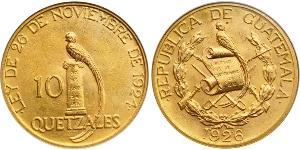
The 20th century brought decimalization, moving away from the peso real system entirely toward modern coins based on fractional values like centavos. While these were common circulation pieces at large quantities, early issues of gold and silver remain highly sought after because they capture a moment where this nation was defining itself as an independent republic within Central America.
Mints and Coin Production
The primary production center has historically been the Casa de Moneda in Guatemala City. For decades it produced coins for local government while occasionally acting under contract during specific periods of trade with Mexico or other nations when their own facilities were overwhelmed by demand.
Artistic traditions followed European trends initially, employing neoclassical styles that featured profiles of monarchs surrounded by laurel wreaths and allegorical figures representing liberty. Over time, the imagery shifted to reflect local pride; indigenous motifs appeared alongside portraits of presidents or national heroes such as Rafael Carrera. Technology improved through generations, moving from hand-polished dies toward more mechanized production lines.
Metal availability varied over centuries. Early colonial silver was often imported due to mining rights being held elsewhere until independence. Gold discovery later provided unique alloys that allowed for higher denomination pieces which are still celebrated today as some of the finest examples of mid-nineteenth-century coinage from Latin America.
The mints also served a dual purpose beyond producing currency; they employed skilled artisans who carved intricate designs into metal plates, many of whom were refugees or visitors seeking work during times when peace was scarce. Quality control varied greatly depending on the economic pressure to meet government budget requirements versus artistic merit in die preparation.
Notable Coins
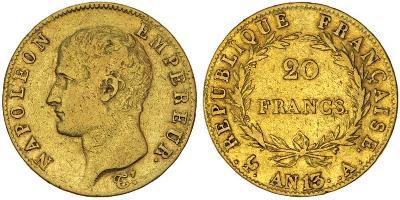
Americans and collectors often seek out specific issues due to their historical narrative rather than just rarity metrics alone. One type stands above all others for serious investors: The 1875 Sovereigns of Gold Struck In Guatemala City Under Foreign Supervision.
- Historical Context: These coins were issued during a brief period when the nation sought to elevate its monetary status through high-quality bullion standards, often working under agreements with foreign mints or expert consultants before establishing complete local sovereignty again.
- Design Features: They typically display profile portraits surrounded by inscriptions of national value and denomination marked in both English language text as well as Spanish script depending on the era. The relief is high-quality proving die cutting craftsmanship at its peak for this region during that specific century decade.
Significance:
- This piece connects directly to international bullion standards, serving as a bridge between colonial heritage and modern republics. For collectors of fine gold coins, these items are considered premier examples because they represent high quality workmanship rather than just scarcity.
Condition:
- Circulation wear is minimal on most surviving pieces since many were used in London before returning to Central American markets. Condition matters significantly for value and provenance documentation as it shows usage history alongside preservation quality over time.
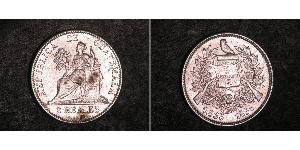
Silver coins from earlier colonial eras also hold deep interest, often featuring Holy Spirit or King James portraits on obverse faces with reverse designs indicating minting year. These pieces represent early transition between old-world Spanish rule and new world independence.
- Historical Context: Early silver Reales from Guatemala were used in colonial markets across the Caribbean Basin before local mints produced their own designs after 1820s reforms ended reliance on foreign royal portraits exclusively for new currency issuance.
Design Features:
- Mintmarks indicate year of production alongside symbols representing value such as crowns, pillars or anchors. These elements often reflect trade routes established through ports connecting with Mexico and Caribbean colonies where these pieces circulated extensively before being recalled.
Significance:
- Detailed reverse designs capture the spirit of liberty while retaining older Spanish imagery on front sides making them unique transitional types not found elsewhere in world numismatics history today.
Cultural Legacy
The face value printed upon these coins represents only a fraction of their true worth. Each piece tells stories about the people who minted it during times when stability was uncertain and survival depended on commerce rather than war alone.
Symbols used in designs reflect national identity, incorporating traditional agricultural imagery related to coffee harvests alongside religious figures from local Catholic traditions where saints patronized specific communities or regions within country borders. Even modern decimal coins feature artistic motifs depicting flora found throughout tropical rainforests and mountain ranges defining landscape boundaries for centuries.
This legacy endures in public consciousness; old coins circulate among collectors who tell stories passed down through generations about how ancestors survived famine, war, trade collapses or political upheaval by hoarding bullion during dark times. These pieces serve as tangible memories of those struggles and triumphs captured within metal plating.
For Collectors
To the discerning eye seeking historical treasures from Central America: Guatemala remains a cornerstone for anyone interested in understanding how independent nations developed their own financial systems after leaving colonial rule. The numismatic record here is sparse due to frequent wars that led governments to melt down existing reserves rather than continue issuing paper currency or new coinage during times of civil unrest.
This scarcity makes every high-quality example from this era a significant historical document preserved within metal alloys and die strikes found in private cabinets today. Whether you seek gold sovereigns for investment portfolios looking at international bullion standards, silver dollars representing colonial transition periods after 1820 independence events or early republican issues depicting national heroes as leaders on coin faces; every type tells part of story about how Guatemala grew into modern nation status.
Focusing on condition and historical significance rather than catalog numbers alone will lead you to better purchases in the marketplace. Remember that these pieces belong more broadly speaking within larger context of regional development where neighboring nations shared similar experiences under Spanish rule before establishing independence movements across Central American region during early nineteenth century.