| View |
| preceded by | ||||
|
||||

|
|||||||
 First Mexican Republic (1824–1835)
|
|||||||

| succeeded by | ||||
|

| First Mexican Republic (1824–1835) | Link to Wikipedia |
First Mexican Republic: History, Coinage and Collectibles
Welcome to a journey through time where metal meets memory. At Hobbyray, we believe that every coin holds the heartbeat of its era, offering tangible evidence of history's grand narratives today we turn our focus to one of Latin America's most pivotal periods: the First Mexican Republic. This was an age defined by ambition and uncertainty, a nation striving for identity amidst global economic tides. Understanding this period requires stepping back from mere catalog entries into the story of sovereignty.
Historical Background
The birth of Mexico as a distinct republic following independence from Spain marked one of history's most complex political transformations. By 1824, after years of warfare and shifting governance structures, the nation established its first federal constitution. This era was not merely about declaring freedom; it required building an economic foundation that could support national sovereignty.
The economy had historically been built upon silver exports to Europe and trade relations with Asian markets. For a young republic, controlling this flow of wealth while establishing trust in local currency was essential for survival. The cultural landscape shifted as well, blending indigenous traditions with European governance models to forge a unique identity that survived the volatile political transitions of the decade.
Culture during these years reflected deep social stratification and an enduring desire for order after revolutionary chaos. Artists were searching for national symbols to replace Spanish royal iconography, while scholars debated whether Mexico's path should align closer with republican neighbors like the United States or European monarchies. This tension is visible not just in laws written on parchment but etched onto metal intended for circulation among soldiers and merchants alike.
Currency and Coinage History
The monetary system of this period began a crucial transition from colonial currency standards to a national identity. Early independence movements initially retained the Spanish Real currency framework because it was already accepted by international markets, particularly in Europe and Asia where trade routes were critical for survival.
Nationalist sentiment demanded change however, pushing coinage producers toward designs featuring local symbols rather than European portraits or imperial coats of arms. During these years, money evolution reflected the struggle to define what independence truly meant legally and commercially. There was a distinct effort to create coins that carried the authority of the new government without relying on old Spanish molds.
Metal availability played a significant role in this history as well. Silver was prized but finite; copper became necessary for small transactions among local farmers and artisans. The scarcity of high-quality bullion often led authorities to release lower metal content pieces or tokens, creating an economy defined by adaptation rather than rigid banking standards.
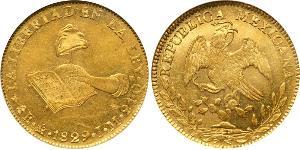
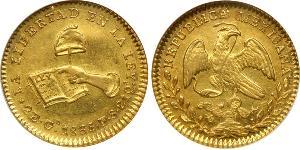
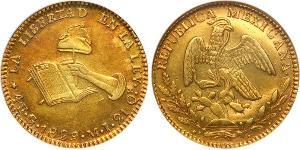
The introduction of gold coins signaled a major shift toward financial independence from Spain. These precious metals represented wealth stability and international creditworthiness, which the new government desperately needed to attract foreign investment for infrastructure projects like railways and ports that would eventually define modern Latin American commerce.
Mints and Coin Production
The Mexico City Mint served as the heart of national production during this transformative era. For collectors today, understanding where these coins were born is vital because it informs design quality. The primary mint in central city maintained strict control over dies while regional centers produced simpler copper coinage.
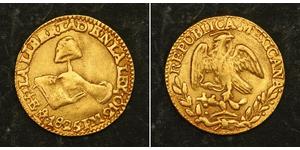
Minting traditions evolved significantly during the First Mexican Republic years with a focus on shifting from intricate royal portraits to more classical designs featuring laurel wreaths and national arms. This artistic change mirrored political ideology, as republican governments often favored Greek-style neoclassical imagery over Baroque or Rococo styles associated with European monarchies.
- The technology transitioned from hand-struck coins to early press technologies
Production speed increased drastically compared to colonial times but quality sometimes suffered due to resource constraints. Die designs were often simple, relying on the sharpness of relief rather than complex engraving details which could be costly to produce.
Notable Coins
To understand significance we must look at specific types that capture these turbulent years without resorting to technical catalog codes or market values. Several key varieties stand out historically for their ability to tell the story of a new nation finding its footing amidst global uncertainty and political instability.
- The Copper Tokens
- Silver Eagles
- Federal Gold Coins
- Transition Pieces
These small pieces circulated widely among common citizens during times when silver was hoarded by wealthier classes. They are historically significant as they represent the practical needs of daily commerce during a nation's infancy, often bearing revolutionary imagery and inscriptions that celebrate independence.
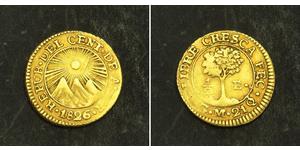
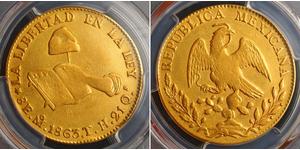
These coins were intended to compete with international gold standards used by European powers. Their design reflected national pride through intricate depictions of eagles holding quetzals or other symbols unique to the region, setting them apart from earlier Spanish pesos.
Introduced later in this period, these pieces signaled an attempt by the government to project stability and power abroad. While their mintage numbers vary wildly depending on historical records, they remain highly sought after for preserving evidence of early gold coinage production.
Perhaps most interesting are those that bridge colonial silver with republican ideals, often displaying hybrid designs that show the visual language of independence evolving from European models to native expression.
Cultural Legacy
The coins minted during this period reflect more than just commerce; they embody a struggle for national identity. Symbols like eagles and quetzals drew directly from indigenous traditions merged with colonial artistic influences, creating visual language that was uniquely Mexican.
These artifacts serve as silent witnesses to the economic struggles of building an independent state in the early nineteenth century. They remind us how closely connected a nation's stability can be to its ability to issue currency it trusted globally.
For collectors
The First Mexican Republic remains highly important for collecting purposes today because these coins represent such a critical point of national development and sovereignty transition that few other items do. Rarity plays a major factor in their appeal, as production was often sporadic due to political instability.
A Note on Acquisition Strategy
When seeking pieces from this period collectors should look for original condition and surface quality over high metal content alone. The historical narrative embedded in the design is what makes them unique, representing a formative era that influenced modern Latin America.
In conclusion, these metallic artifacts invite us to examine how currency shaped national identity through artistry, commerce and political change during one of history's most defining moments for Mexico.