| View |
| preceded by | ||||
|
||||

|
|||||||
 Centralist Republic of Mexico (1835 - 1846)
|
|||||||

| succeeded by | ||||
|

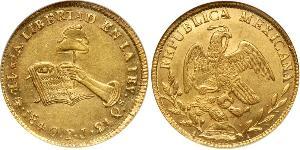
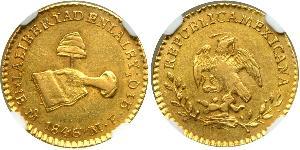
| Centralist Republic of Mexico (1835 - 1846) | Link to Wikipedia |
Centralist Republic of Mexico: History, Coinage and Collectibles
Historical Background
The story of the Centralist Republic of Mexico is woven into a narrative of political consolidation that defined much of the early nineteenth-century Americas. Following independence from Spain in 1821, Mexican leaders faced an impossible choice between remaining tied to Spanish traditions or forging a new national identity within republican structures. Initially attempting a federal model similar to the United States, instability among provinces and internal rivalries soon necessitated stronger executive control.
In the mid-1830s, Antonio López de Santa Anna's ascent marked a decisive shift away from loose confederacy toward centralism. This was not merely administrative reshuffling but an attempt to unify trade routes, stabilize currency standards across vast territories, and secure Mexico against external threats like those facing neighboring nations during this volatile era.
The cultural atmosphere of the period was one of tension between conservative traditions rooted in colonial Catholic identity and liberal economic reforms inspired by emerging markets. The population had grown accustomed to a monetary system derived from Spanish silver but faced challenges as inflation eroded confidence in existing metal standards. Political leaders argued over whether Mexico should embrace European-style banking models or cling to traditional bullionism that favored farmers and small traders alike.
Economic development was hindered by internal discord, which made commerce risky for foreign investors. This lack of stability influenced the types of currency circulated; merchants preferred silver dollars familiar from Spanish trade rather than new copper issues intended only for local markets at first. However, as time moved forward and political centralization improved order in Mexico City, international trust began to improve.
The culture itself was deeply religious yet increasingly aware of its need to modernize infrastructure without losing national soul. The struggle between state sovereignty and federal power echoed across Latin America but manifested differently here due to the lingering influence of former colonial governors. This context is essential for understanding why coinage designs often retained old imperial eagles while political titles shifted.
Currency and Coinage History
The transition from royal Spanish silver standards toward a distinctly Mexican national currency system occurred through various administrative decrees during this century. Early post-independence attempts had resulted in the circulation of coins minted by private contractors or former imperial mints under new republican flags.
During the Centralist era, monetary policy became more aggressive to combat shortages caused by war-time disruptions and smuggling across borders with neighboring territories. The peso was divided into smaller denominations including reales and centavos (often copper), though silver coins retained their traditional size similar to Spanish Milled Dollars in circulation for trade purposes.
This period represents a fascinating bridge where coinage evolved from colonial utility toward national symbolism without fully abandoning the practical requirements of commerce. While some nations moved rapidly toward paper money due to industrial advances, Mexico continued relying on metal standards because credit systems were undeveloped and bullion remained king in regional economies dependent on export agriculture.
Inflation fluctuated significantly based on government policy changes regarding silver reserves and tax levies collected from mining districts. When mints faced deficits during war years, the quality of copper issues dropped or denominations became irregularly struck to stretch available materials while maintaining face value for domestic markets.
Mints and Coin Production
The Mexico City Mint remained the primary production center throughout most of this period due to security concerns in regional capitals. Transporting finished coinage from smaller state mints was difficult during periods of civil unrest, making centralized control a necessity for economic management.
Tech advancements arrived slowly but steadily as foreign machinists brought steam-powered presses capable of striking finer details onto metal planchets that were sometimes irregular due to smelting shortages. Artistic styles favored classical Roman influences mixed with Mexican indigenous motifs rather than purely European baroque designs seen under colonial rule.
The artistry reflected a desire for dignity and strength; portraits often depicted leaders wearing both military attire and civilian dress depending on current government favorability toward either role or ideology. The legends (incriptions) surrounding these images were sometimes written in Spanish, French, and occasionally English to accommodate international trading partners who demanded clear denomination standards.
Minting traditions emphasized security through complex lettering that was difficult for counterfeiters of the era to replicate manually but easy enough to produce via machine strikes. These technical choices ensured that despite political turmoil, currency remained secure against fraud which would devastate agricultural credit markets reliant on bank deposits in pesos rather than fiat.
Notable Coins
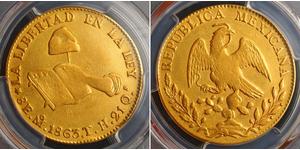
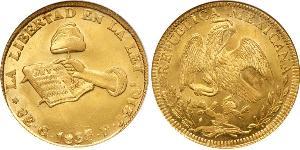
- The Silver Peso of the early 1840s stands out for its consistent weight and eagle design that merged colonial iconography with republican titles. This coin is prized by collectors as a testament to continuity despite political change, maintaining value in international trade even during local conflict.
Certain varieties feature specific mint marks or dates indicating production batches before the war disrupted supply lines later. The copper issues often carry artistic relief showing wheat stalks and agricultural tools rather than abstract symbols found on foreign imports.
- The 2 Real Centeno pieces represent a fascinating moment of numismatic transition when denominations were renamed to reflect new economic realities without changing face value for international buyers still using standard Spanish dollars as reference points.
These coins carry historical context regarding currency debasement or reform efforts by centralist leaders who sought to balance the cost of minting against available metal reserves. Collectors can observe how denominations were adjusted downward in weight when inflation rose, marking significant moments in economic policy that affected everyday citizens.
- Later issues during the transition often bear faint traces of former designs before artistic standards evolved fully into distinct Mexican styles used later under Porfirio Diaz or subsequent regimes. These transitional pieces are particularly valuable for understanding how design language communicates power to a public audience less literate in modern political science.
The rarity comes from wartime destruction where existing stockpiles were melted down during military campaigns when silver was needed more urgently than currency circulation required.
Cultural Legacy
Coinage reflected cultural values deeply rooted in the Catholic tradition yet seeking to express emerging republicanism. Religious imagery of saints or national figures like Guadalupe frequently appeared alongside secular portraits, symbolizing a union between faith and state governance that remained culturally essential.
The economy was heavily driven by agriculture and mining exports where coinage functioned as payment for labor but also as proof of wealth for landowners. Art on currency showcased the nation's desire to be respected globally while acknowledging its indigenous heritage through artistic motifs inspired by local flora rather than European flowers alone.
For collectors
The legacy remains significant because these coins mark a crucial era where Mexico defined itself as an independent nation without relying solely on foreign currency standards. Collectors who focus on this period find unique items that reflect the challenges of state-building and economic survival under political pressure.
- Understanding their historical value allows collectors to appreciate how small copper pieces preserved national memory when government archives burned or were destroyed during conflict.
The numismatic journey connects modern observers back to a time when Mexico City stood alone at the center of regional trade, issuing currency that influenced neighbors and facilitated commerce with North America before tariffs became complicated obstacles later in history. These artifacts serve as enduring reminders that economic stability often requires political unity and cultural confidence.
- Studying their artistic development reveals how artists adapted to new demands for national representation while maintaining technical excellence despite limited resources available during difficult times of war or civil discord within the republic.