| View |


 Lithuania (1991 - )
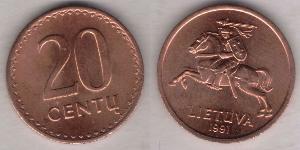
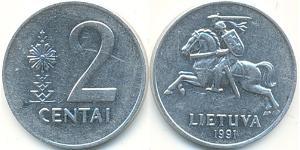
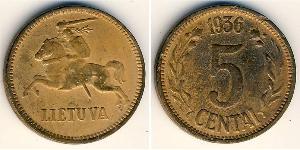
| Lithuania (1991 - ) | Link to Wikipedia |
Lithuania: History, Coinage and Collectibles
Welcome to a journey through the numismatic landscape of Lithuania, often described by early travelers as a land where gold was not just spoken of but found within its riverside legends. However, for the serious collector, the story is defined less by precious metal deposits in ancient times than by the evolution of currency that mirrors the nation's complex geopolitical identity. As we examine these metallic artifacts, we are really examining the resilience and cultural spirit of a people who have maintained sovereignty through periods of profound external pressure.
Historical Background
Lithuania is one of Europe's oldest continuous states, yet its story was frequently written in ink rather than bronze for most of its history. For centuries, the region functioned as a crucial nexus between East and West. The Grand Duchy controlled vast territories along the Neman River, positioning it at the heart of trade routes connecting Western European markets with Russian principalities. Merchants from Livonia and Prussia brought silver to Vilnius in exchange for local grain and timber.
The cultural fabric was woven tightly into Christian traditions that reached deep roots during medieval times. The economy relied heavily on barter until industrialization arrived, which meant early coinage was scarce compared to the bustling financial markets of France or England. Independence arrived abruptly at the turn of the twentieth century following World War I, establishing a democratic republic where currency reform became paramount for economic stability.
This transition period saw Lithuania navigate between various monetary systems before solidifying its own statehood in 1932 with the introduction of the Litas. Despite this independence, the region remained economically integrated with neighboring powers like Germany and Poland to varying degrees during wartime conflicts which shifted currency usage rapidly. Following World War II, occupation by Soviet forces altered the landscape completely for decades until a restoration of freedom occurred at the end of the Cold War era in 1990.
Currency and Coinage History
For much of its history as an independent nation or constituent part of larger empires, Lithuania was not primarily known for local coin strikes but rather paper currency. The introduction of silver coins came later than in Western Europe due to these economic dependencies. During the interwar period between 1918 and 1940, Lithuanian banknotes circulated widely while domestic metal production remained a developing art form.
The numismatic timeline accelerates during World War II when occupation administrations from Nazi Germany and Poland introduced their own currencies to control trade within borders. Collectors must look beyond the official state issues to these wartime pieces that represent specific administrative eras of foreign power over Lithuanian territory. Following 1940 until independence in 1990, Russian rubles were used with minimal variance.
The modern era began when Lithuania declared full sovereignty again and reintroduced its own currency systems based on the Litas name established decades earlier. This period brought a boom in commemorative minting to promote national identity after years of stateless existence within foreign borders or unions.
Mints and Coin Production
The primary production centers for these items have shifted over time but remain closely tied to Vilnius, the historical capital. During the Soviet period, coins were produced in specialized facilities connected with Moscow industrial complexes before operations moved back under local control as the modern state was re-established.
Trends of coin design reflect broader artistic movements across Europe and Russia. Early twentieth-century pieces often display classical or baroque influences drawn from architectural heritage found throughout Vilnius Old Town. Soviet-era productions adopted a functional aesthetic emphasizing industry and collective labor themes rather than national monarchs or religious figures common elsewhere at the time.
The establishment of independent minting operations in 1993 introduced new technologies for metal stamping used today to create high-quality modern silver commemoratives. Artists are now free to experiment with intricate engravings that highlight nature reserves and cultural icons rather than standard portraits or dates found on circulation money from previous centuries.
Notable Coins
- The interwar independence issues of 1930s Litas represent a unique chapter where the design motifs sought to honor ancient tribal imagery without relying strictly on European styles common in other republics. Finding these pieces often provides tangible evidence of an economic attempt at self-reliance during a global depression.
- Wartime occupation currencies issued by German and Polish administrations hold historical significance for researchers interested in how commerce continued under military rule despite the lack of local government authority over money supply policies at that time.
- The Soviet period rubles minted locally often display specific artistic flourishes distinguishing them from issues produced entirely in Moscow. Collectors appreciate these pieces as artifacts of a massive industrial machine operating within one small republic during decades where independence was suspended officially but culturally preserved through art and literature.
Circulation coins made today frequently feature the Gaida bird or images of castles that anchor identity for modern citizens alike. These designs are not mere decoration; they serve as public memory banks reminding viewers of ancient fortifications standing since medieval times still visible along city walls today.
Cultural Legacy
The coinage reflects deep cultural shifts regarding religion and national symbols like the Grand Ducal coat of arms or references to local folklore. During religious feast days depicted on banknotes, there was a distinct emphasis connecting civic life with Catholic tradition which shaped much art in Vilnius from medieval times onward.
Nature played an equally vital role as many later issues focus on birds, forests and lakes found across the country landscape during winter months when trade slowed down historically. This theme continues strongly within modern silver collections highlighting environmental stewardship alongside economic progress throughout centuries of development by local artisans and metallurgists alike who worked to preserve these values.
For collectors
Lithuania offers a fascinating niche for the international collector looking beyond standard Western European pieces or Russian empire issues. While there are fewer examples from early periods, those that survive carry significant historical weight due to their association with moments of national struggle and triumph following decades under foreign control.
The Importance
Above all else these coins represent stories rather than just metals held by nations trying to declare independence again or maintain economic stability through global crisis. They serve as tangible links between the past struggles for autonomy enjoyed since medieval times until modern day freedom regained after Soviet occupation ended officially in 1990.
The Appeal
Earned status within any serious collection usually belongs to items tied directly with historical events involving national rebirth or economic policy changes affecting millions of people living during those turbulent years before peace returned fully under democratic rule again after the Cold War concluded globally in 1980s.