| View |
| preceded by | ||||
|
||||

|
|||||||||
 Albanian Kingdom (1939-1943)
|
|||||||||


| succeeded by | ||||
|

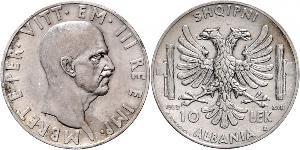
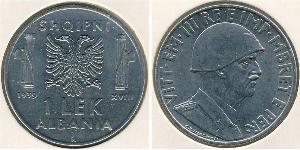
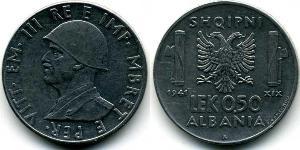
| Albanian Kingdom (1939-1943) | Link to Wikipedia |
Albania Under Italy: History, Coinage and Collectibles
Historical Background
To understand the monetary history of Albania under Italian influence, one must first grasp a moment in time where national destiny was written by foreign empires. In the late 1920s, Albania emerged as an independent kingdom after centuries of Ottoman rule, establishing its sovereignty under King Zog I and seeking to build a modern economy amidst European conflict. However, this independence existed alongside the aggressive ambitions of Fascist Italy in Rome, which viewed their northern neighbor not merely as a state but as part of an imperial destiny known during that era.
The narrative changes significantly in 1938 when Italian influence hardened into political control, leading to Albania becoming effectively a protectorate before fully succumbing to military occupation by Axis forces following the German invasion. For collectors examining these artifacts from this period, it is important to view them not just as currency but as evidence of shifting tides during one of history’s most turbulent wars. The economy was heavily dependent on imports and exports controlled by Rome.
The integration of Albanian trade into Italian supply lines meant that local businesses adopted the Lira for transactions while traditional barter methods persisted among rural populations until liberation. Culture remained resilient despite attempts at erasure from imperial design, where national symbols had to be reconciled with Roman iconography and Fascist doctrine.
Currency and Coinage History
The evolution of money in this region during these critical years reflected a struggle between autonomy and subjugation. Initially, the Kingdom utilized its own monetary system based on gold standards that had collapsed due to global economic crises before 1940. When Italian dominance consolidated around the late 1930s, Italy began replacing local currency systems with standard Lira denominations used throughout their empire.
This transition was not merely administrative; it represented a deliberate strategy by the Fascist regime to normalize trade under direct imperial control rather than allowing independent commercial flow. The introduction of coins featuring profiles aligned strictly with Rome’s interests served as both payment mechanism and political statement. This period marked one of the most significant eras in monetary history where small denominations circulated freely while larger banknotes remained controlled by Italian banking institutions.
Mints and Coin Production
The production centers for these coins were concentrated primarily within Italy itself rather than local mints. By late 1943, the disruption of war had made it difficult to maintain domestic manufacturing capacity even under Allied occupation forces or Italian administration after Germany surrendered in September that year.
Milano and Turin served as primary hubs for striking these specific issues meant for Albania circulation during wartime shortages. Die masters often utilized existing Imperial portraits alongside local imagery where permitted before total censorship tightened controls further due to German intervention following the collapse of Italy’s surrender in late 1943 until liberation.
Notable Coins
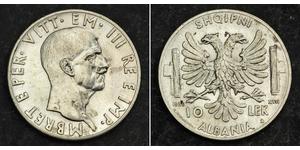
Several specific issues stand out for their rarity and historical weight during this period. One category consists of transition pieces issued shortly before full annexation were declared, showcasing Victor Emmanuel III accepting the title while retaining Italian symbolism within designs tailored to local sentiment.
- The 2 Lire denomination featuring an eagle design became a staple in everyday commerce, though many survived wartime hoarding only due to poor preservation conditions caused by lack of minting facilities during war time which left survivors with significant damage that collectors now recognize as unique artifacts from this era rather than pristine specimens.
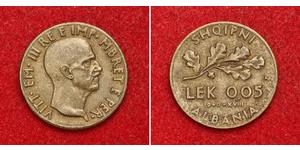
Another notable issue involves smaller copper denominations intended for daily purchases like food and fuel in occupied Tirana, where metal content varied based on strategic allocation needs by Rome. These low-value pieces often bear simpler artistic styles due to production haste during wartime shortages when die work had to be completed rapidly.
Cultural Legacy
The coins of this era serve as a tangible record of cultural tensions between local identity and imperial control. While Fascist propaganda sought to impose Roman imagery, the continued use of Albanian eagle motifs in certain denominations shows subtle negotiation where national pride found space even under strict oversight.
National symbols were carefully managed within coin designs; for example, towers representing traditional architecture appeared alongside Italian eagles on specific issues intended to calm local sentiment while maintaining control. This duality is crucial to historians and enthusiasts who study how art survives suppression during occupied periods when nationalistic imagery was subtly embedded into official currency.
For Collectors
Coinage from this period remains important because it provides a unique window into the economic realities of war in Albania before liberation. Unlike standard wartime issues struck for major economies, these pieces reflect scarcity and specific local needs driven by foreign occupation policies that changed every few months.
- Holders should examine condition carefully since most specimens survived underground or damaged during conflict rather than as fresh mints from peacetime conditions due to war disruption. The survival rate of higher denominations was lower while common copper pieces exist in circulated grades.
This history offers a chance for buyers interested in world coinage history beyond the typical major nations, offering an opportunity to learn about how smaller states were monetarily controlled during one of Europe's most dramatic conflicts. The focus remains on understanding historical significance rather than catalog data alone as each piece tells a story of survival under difficult circumstances.