| View |
| preceded by | |
 Albania
|
||||||||||||||
|


| succeeded by |
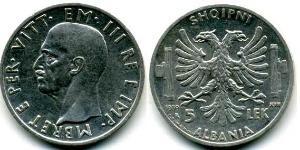
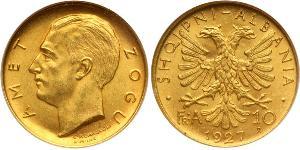
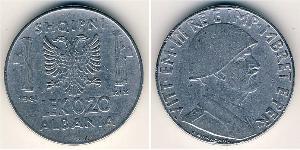
| Albania | Link to Wikipedia |
Albania: History, Coinage and Collectibles
Welcome to a journey through centuries reflected in the small metal discs that define our history. As your curator guide, we look beyond simple monetary value into the soul of a nation defined by its resilience. Albania stands as a unique intersection between European history and Mediterranean trade networks, offering numismatists a chance to hold pieces carrying thousands of years of cultural weight.
Historical Background
The narrative begins deep in antiquity among the Illyrian tribes who settled this mountainous terrain long before recorded history became clear. For much of its existence as an independent entity, Albania functioned somewhat like a fortress within Europe itself. Its geography dictated economic reality; being surrounded by the Adriatic and Ionian seas meant that trade was always secondary to agriculture and livestock but never entirely absent for communities reliant on coastal shipping lanes.
Roman influence arrived early through roads carved into mountainsides, allowing for commerce with Greece and Italy. This period introduced silver coins as mediums of exchange rather than just religious tokens used in temple donations or local festivals. The subsequent centuries saw Byzantine cultural imprints visible in architecture before the Ottoman conquest brought a shift to copper currency usage typical of much of Eastern Europe during medieval times.
The national awakening toward independence occurred over decades, influenced by both Italian and Western European trade interests wanting control over ports like Durrës without disrupting the pastoral economy too much. During this rise to statehood around 1908 to 1923, the local economy still relied heavily on barter systems among mountain tribes until centralized power demanded standardization of currency for national taxation.
Ottoman rule established a framework for taxation that eventually funded coin production once sovereignty was declared. The struggle during this era left many historical records in pieces but also preserved distinct cultural identities within religious sites and artistic representations found across the region. These artifacts survive today because they represent periods where statehood was fragile yet culturally rich, laying groundwork for modern collectors to explore.
Currency and Coinage History
Money evolved from simple copper tokens stamped by hand or machine tools to precious metals mirroring global shifts during the early twentieth century. Initially, coins were imported or imitated based on regional designs until local mints gained authorization following independence declarations made in 1913 and formalized later.
The transition was not merely economic but symbolic of national sovereignty sought by leaders who wanted currency recognized outside borders to facilitate international trade for wool and agricultural products exported through the Adriatic. The introduction of higher-value gold required designs recognized by other nations, leading artists from nearby Italian centers like Rome or Florence to influence early production standards during this transitional era.
The Kingdom era introduced new financial systems that allowed Albania to participate in global commerce directly as a sovereign entity before world wars changed everything globally. Prior attempts at coinage were often limited to small denominations or copper pieces intended purely for local daily markets rather than long-distance trade with Western banking powers of the time.
Mints and Coin Production
The minting capabilities developed gradually after independence in 1913 were initially concentrated within urban centers capable of securing equipment necessary to strike metal under supervision. Tirana became a primary hub later as infrastructure improved, though some issues relied on foreign contracts during early monarchy years where technical expertise was scarce locally.
Production techniques transitioned from simple presses using manual force to more advanced methods over several decades involving hydraulic machinery imported abroad due to industrial capacity in Europe exceeding that of the Balkans at time. The most significant artistic characteristics distinguishing this era’s coinage include classical portraits of rulers alongside national eagles blending Greco-Roman aesthetics with local folklore elements representing mountains and olive branches symbolizing prosperity rather than conflict.
Metal sources varied greatly, often involving gold reserves accumulated from mining operations in the north or silver found scattered across valleys utilized by tribal groups for jewelry that eventually became legal tender. Production consistency was hard to maintain during unstable times when foreign occupations threatened supply chains used by central banks and treasury departments operating under various flag regimes.
Notable Coins
To understand value for collectors, we must look at specific issues defined by historical weight rather than mere catalog numbers alone. One prime example is the gold coin introduced later in 1938 known as a Crown or Leke struck under King Zog I which carries portraits rendered with classical realism.
These pieces are historically significant because they represented the peak of pre-war Albanian sovereignty aspirations just prior to occupation by Axis powers that halted production completely. Collectors appreciate these gold coins for their rarity since many were melted down during wartime scarcity or lost while fleeing occupied territories where banks stored national reserves in caves rather than vaults.
Silver issues from earlier years offer accessible entry points into the collection focusing on local trade history rather than rare specimens that sell at exorbitant market prices today. Many copper coins circulated widely in rural areas and bear calligraphic lettering reflecting Ottoman heritage, transitioning gradually to European alphabets used alongside it for bilingual legibility during early independence decades when literacy levels were lower across population groups.
Nominal values often doubled as symbols of regime authority; a small silver crown worn by soldiers or placed on shop counters denoted the state’s presence rather than just currency value. This dual purpose helps collectors understand how deeply coins embedded themselves into daily life during this period where trust in central bank notes was sometimes lower compared to coinage due to perceived inflation risks at time.
Cultural Legacy
The double-headed eagle serves as a potent symbol of national identity appearing across various designs over centuries regardless of which regime held power. It reflects continuity despite shifting political systems from monarchy through communism and back toward modern stability today without breaking the cultural thread connecting past to present generations.
Coinage art styles often shifted between classical realism found in Western European schools versus traditional Islamic geometric patterns left behind during Ottoman occupation that persisted quietly until independence was secured. These visual choices tell stories of resistance where artists insisted on keeping national symbols visible even when political systems tried to erase cultural heritage from public spaces.
For collectors
This historical collection remains vital for enthusiasts seeking tangible connection to the Mediterranean world before widespread European unification occurred in recent times. The scarcity created by wartime destruction offers a unique challenge in finding pieces with preservation quality intact within modern markets, making them distinct assets that carry narrative weight beyond their metal content.
We invite you to consider these items not just as objects of monetary exchange but artifacts preserving the spirit of independence and artistic heritage found throughout this nation’s history. Whether seeking silver crowns for their visual appeal or gold sovereigns with historical narratives preserved in high grade, each piece offers a window into how Albania defined itself on its own terms against odds.
In conclusion, numismatists exploring these items will find that value exists beyond price tags and catalogs alone. It resides in understanding the human stories etched onto metal surfaces from eras when nations were building identities amidst global instability and change over decades past.