| View |
| preceded by | ||||
|
||||

|
|||||||
 Grand Duchy of Baden (1806-1918)
|
|||||||
| succeeded by | ||||
|

| Grand Duchy of Baden (1806-1918) | Link to Wikipedia |
Grand Duchy of Baden: History, Coinage and Collectibles
The Grand Duchy of Baden is a region defined by the rich legacy of southwestern Germany where political boundaries were often fluid before modern nation-states solidified their control over European territories.
This area served as a crucial gateway for merchants traveling between France and Central Europe during centuries when coinage was king rather than paper currency. The evolution from ancient tribal lands to a recognized Grand Duchy provides context that every collector should understand when examining the metal tokens they acquire at auction houses or specialist dealers today.
Historical Background
The political geography of Baden shifted dramatically following major geopolitical events in early Europe which saw ecclesiastical territories converted into secular states. This transformation occurred through reforms implemented under Napoleon before 1803 when the region officially became a sovereign entity within the German Confederation.
Trade along the Rhine and Danube river systems brought wealth from French silver mines to German manufacturing centers where these metals were minted for circulation among merchants in Karlsruhe. Industrial expansion in coal mining during the mid-19th century made Baden one of Germany’s most prosperous industrial regions before it was fully absorbed into the Empire.
Currency and Coinage History
Monetary systems within Germanic lands were notoriously complex because dozens of states operated under different exchange rates until standardization occurred in later decades. The Grand Duchy utilized its own denominations based on silver Marks which eventually merged with broader European currencies as the Zollverein formed a customs union.
Napoleon’s conquests introduced French-style coinage designs to the region before they were replaced by traditional Germanic imagery under restored monarchical rule after Waterloo battles ended. By 1870, Baden coins had fully aligned with standard Imperial issues while retaining distinct artistic styles from Karlsruhe sculptors who emphasized local cultural motifs over generic Prussian symbols.
Mints and Coin Production
The primary mint facility for state production was located in the capital city itself where high standards were maintained by guild-trained engravers. These workshops specialized in striking silver thalers that circulated alongside other major powers yet possessed specific iconography honoring regional leaders like Grand Duke Leopold who commissioned artistic portraits reflecting Enlightenment ideals.
- Minting technologies introduced during industrial revolutions allowed for faster production of lower denominations which aided the working class economy throughout the 1800s. Copper pieces were used widely so that even laborers could make small purchases without needing to carry heavy silver bullion into markets.
Notable Coins
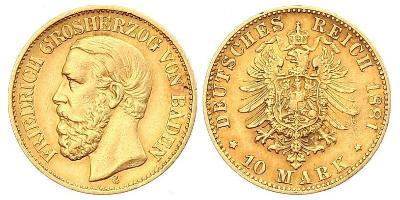
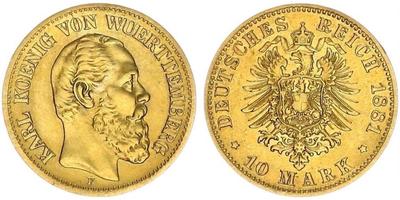
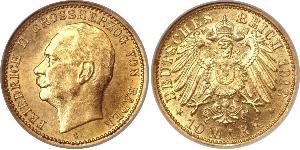
The Gold Thaler issued toward 19th century remains highly prized among collectors because of its high relief designs and pristine preservation on the market. This gold coin represents a significant monetary milestone where local economies used hard currency for large commercial transactions before modern banking institutions took over this role.
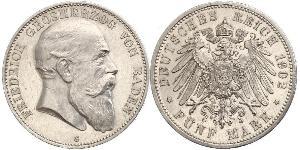
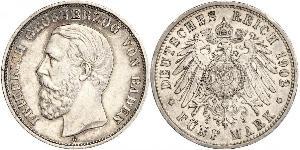
- Silver florins are frequently sought after due to their allegorical reverse sides showing grapes or wheat which highlighted agricultural wealth that supported Badens’ industrial output during these years. Collectors value them as they provide direct visual evidence of the regional economy rather than generic military figures found on Prussian issues from neighbors.
Finding examples with sharp details is essential because heavy circulation meant most silver coins wore down significantly before entering private collections unless stored carefully in family vaults or merchant ledgers during wartime crises. Condition reports for these items are therefore critical since surface scratches often indicate how much handling they endured through decades of daily commerce.
Cultural Legacy
The artistry found on every piece struck by the state mints tells a story about Badens’ identity as an independent entity within Germany prior to 1918. Designers incorporated local symbols like river boats and vineyards into reverse imagery while portraits of rulers emphasized stability rather than conquest unlike other Germanic states whose coinage featured heavy military iconography.
- Cultural themes often appeared on lower denomination issues using bronze or copper where the state wanted to encourage civic pride through artistic merit accessible even in pockets containing smaller change for daily spending habits among artisans and shopkeepers who frequented these markets. The enduring legacy persists because every coin tells how local economies adapted to changing global conditions.
These designs reflect a time when small states could maintain their dignity despite pressure from larger neighbors like Austria or Prussia through careful selection of imagery that celebrated domestic life rather than political conflict which dominated headlines elsewhere at this specific period in history before modern unification altered these dynamics permanently. Collectors today gain unique insight into pre-nationalist Europe by examining how a region managed its own identity.
For collectors
The numismatic legacy of the Grand Duchy offers deep historical value even as physical specimens remain available for acquisition through auction channels or dealers specializing in continental coinage. High mintage during 19th century industrialization ensures common dates exist but finding high-grade examples remains competitive since most circulation issues survived only due to exceptional preservation before being sold off into private hands decades ago.
- Acquiring these items allows enthusiasts to build a narrative connecting their local collections with broader historical trends in Europe during this specific period. Unlike purely investment grade bullion purchases, owning proof strikes or patterns from Karlsruhe brings tangible connection to the cultural heritage of southwestern Germany and its role in forming modern states today.
Investors should consider provenance over mere rarity when valuing these pieces since stories preserved on certificates often outweigh standard grading metrics alone. Ultimately preserving history requires careful handling just like any fine art piece so that future generations can study how this region contributed to European economic integration before the 20th century concluded with major global upheavals reshaping borders and currencies forever.