| Смотреть |


 Jammu and Kashmir
| Jammu and Kashmir | Ссылка на Википедию |
Jammu and Kashmir: History, Coinage and Collectibles
Historical Background
The region known historically as Jammu and Kashmir stands at the intersection of ancient trade routes that once connected Persia to China. As a cultural hub for centuries, its history is defined by an interplay between isolationism through geography and connectivity via commerce. The valley was often referred to as one of the crown jewels in South Asian royalty due to its fertile lands and intricate crafts.
The political landscape evolved from various suzerainties under Mughal emperors who held nominal control while local kings managed internal affairs, eventually leading to the rise of the Dogra dynasty. In 1846, following a treaty that shifted power dynamics within British India, this state was established as a princely entity under British supervision rather than direct rule. This unique political standing allowed for significant autonomy in economic policy and monetary administration while maintaining sovereignty over their own currency issuance.
The economy of the region relied heavily on textiles, saffron cultivation, and salt trade routes that necessitated reliable exchange mediums. Before the widespread adoption of silver coinage by standard weight systems prevalent across the continent, local leaders minted token pieces to facilitate commerce at high altitudes where traditional currency was difficult for traders from lower plains to carry.
Currency and Coinage History
The evolution of money in this region reflects broader shifts seen across the Indian subcontinent. Early circulation involved copper tokens known as 'khar' or small weights used before formal minting began under official oversight later during British colonial influence. Over time, these were superseded by silver rupees that aligned with standard trade requirements for regional merchants and traders traveling between Peshawar, Lahore, and Central Asia.
A significant turning point occurred in the late nineteenth century when modernizing efforts brought coinage reforms closer to imperial standards while retaining local artistic sensibilities. The British Raj managed many territories directly or through princely states, leading to a hybrid period where traditional motifs coexisted with Western-facing portraits and mint marks.
Collectors today appreciate how these issues mark the transition from medieval weight-based systems to modern metallic currency units that standardized trade value across borders without relying on complex scales and measures. The region also maintained its own copper coinage for local markets, which remained distinct because of linguistic variations in legends used on the reverse side.
Mints and Coin Production
Coin production was centralized primarily at Srinagar and Jammu during periods when state autonomy allowed specific designs. Artisans traveled from Punjab to work as engravers or mints workers, bringing styles that blended Persian calligraphy with emerging Indian numismatic traditions.
- Minting Techniques: During the early part of British oversight in this period, hand-struck silver was common before machine stamping became widespread. This transition is evident through differences seen on similar denominations struck during different decades.
- Economic Factors: The mints were not merely manufacturing units; they served as political statements that a ruler or state controlled the metal supply to prevent inflation and maintain economic stability for subjects traveling along mountain roads.
Notable Coins
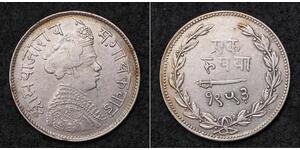
Focused on historical types rather than current market prices, several issues stand out. Among these are silver rupees struck during the reign of later Maharajas when designs were modernized to include images that blended traditional motifs with contemporary artistry.
- The Silver Rupee Types:
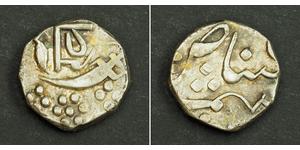
These pieces typically feature legends in Urdu script or English text indicating value and issuing authority. High-grade examples show intricate detailing on the borders, including small floral designs meant to prevent clipping or shaving of metal during transport across rough terrain.
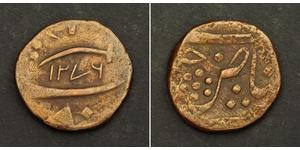
Copper coins were also significant for local circulation but less frequently collected outside regional circles due to their fragility over time compared to silver issues that survived better in storage conditions common among collectors today. Each type offers insights into the specific ruler’s reign and economic health at a given moment, serving as physical records of governance.
Cultural Legacy
The imagery on these coins serves as an enduring testament to cross-cultural exchange within South Asia. Symbols found on obverses often depict local landscapes or mountains representing the high elevation terrain unique to this valley culture.
- Symbols of Power:
Lions, crescents, and palm trees appear frequently in art design, reflecting religious diversity among populations that ranged from Hindus adhering to Vedic traditions while others followed Sufi practices. This visual harmony on metal surfaces speaks volumes about a region known for tolerance between faiths.
The craftsmanship required to produce these high-finish silver pieces demonstrates mastery of techniques passed down through generations, often utilizing artisans trained in Lahore before migrating south or east during times when the need was greatest. This artistic legacy is embedded physically within small metallic disks that were once exchanged for food and goods.
For collectors
The historical significance remains strong due to their rarity as pieces from a specific geopolitical entity no longer in existence on current maps. Collectors appreciate the variety of issues available across decades, allowing enthusiasts to trace changes over time within local history narratives rather than viewing coins merely as metal with monetary value.
Possession of such material connects owners directly to centuries-old trade routes and stories told along mountain passes where merchants once exchanged these items for silk or spices. Preserving knowledge about design nuances helps maintain the numismatic narrative surrounding this historic state, ensuring its cultural contribution is understood alongside that more commonly recognized regions in global coinage history.