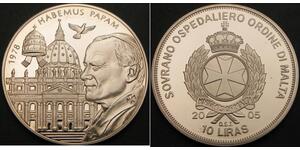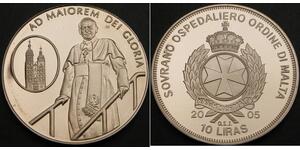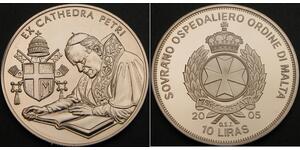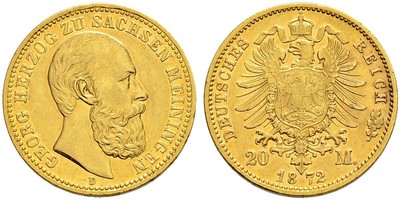
| John Paul II (1920 - 2005) | Link to Wikipedia |
Pope John Paul II (1920–2005): History and Coinage
Karol Józef Wojtyła, born in Wadowice, Poland in 1920, transformed the trajectory of modern history as Pope John Paul II. Serving from 1978 until his death in 2005, he was a pivotal figure in twentieth-century religious and political discourse. His pontificate is defined by remarkable longevity for the office, extensive global travel to foster interfaith dialogue, and decisive leadership during the fall of communism across Eastern Europe. As a spiritual leader who canonized hundreds of individuals and beatified thousands more, his influence extended far beyond Vatican walls into international politics.
The Numismatic Record
Fresh coin collectors often search for portraits of world leaders on circulating currency or standard commemorative issues. However, as the head of a religious institution rather than a secular nation-state with its own monetary sovereignty in the traditional sense, Pope John Paul II does not appear on banknotes or legal tender coins produced by his papacy directly.
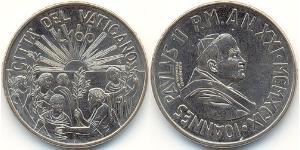
Numeric items bearing his likeness exist primarily within specialized numismatic circles through commemorative medals and bullion issues authorized after significant milestones. Following his death and subsequent beatification in 2011, several private mints began producing limited edition bronze, silver, or gold pieces celebrating his legacy. Additionally, the Vatican issued official gold medals during World Youth Days held across different continents between 1984 and 1997. These medallions were not intended for circulation but served as historical artifacts to mark the reach of youth ministry under his guidance.
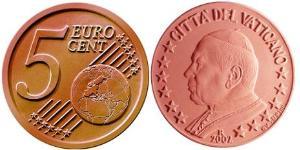
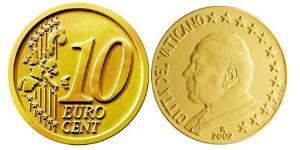
Euro coins specifically commemorating major events occurred after his passing, such as canonization issues in Europe or special editions minted by Poland featuring his portrait to honor national figures. For collectors, these pieces serve not as currency from a sovereign empire but as high-quality commemorative metal that captures the cultural memory of an era defined by globalization and religious revival.
Educational Value for Collectors
The historical importance behind numismatic offerings related to this pontificate offers significant educational context. Unlike ancient Roman emperors where coinage often conveyed imperial power, items depicting Saint John Paul II focus on themes of universal peace and humanitarian outreach.
- Rarity: Posthumous releases following his canonization in 2014 represent a specific historical window for collectors interested in the evolution of modern religious icons.
- Contextual Rarity: Coins issued during World Youth Days are highly prized by specialists because they reflect a unique period where secular and spiritual events overlapped globally under one leadership.
- National Heritage: Items minted in Poland or Italy provide insight into how national identity intersects with transnational religious figures, adding depth to regional coin collections.
Avoiding the chase for expensive market prices is essential. Instead, collectors are encouraged to focus on items that tell a story about human resilience and faith during times of political upheaval in Eastern Europe. Understanding these pieces requires knowledge beyond dates; it demands an appreciation of how artistry and historical weight combine to create collectible value outside standard currency denominations.