

| Ernst I, Duke of Saxe-Altenburg (1826 - 1908) | Посилання на Вікіпедію |
Ernst I, Duke of Saxe-Altenburg (1826–1908): History and Coinage
In the detailed tapestry of German history, Ernst I stands as a figure defined by longevity rather than military conflict. Born in Hildburghausen on September 16th, 1826, he ascended to the throne at just twenty-seven years old following his father Georg's death. A man known for his quiet disposition, Ernest governed Saxe-Altenburg for an impressive fifty-five years until his passing in Altenburg during February of 1908. His reign witnessed profound transformations across Europe as nation-states consolidated power and the political landscape shifted from decentralized principalities to unified powers.
His stable five-decade rule occurred precisely when Germany moved toward unification, providing a consistent background for numismatic production in Northern Thuringia.
The Sovereign on Silver
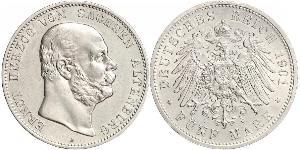
Coinage serves as a tangible legacy for this era, where state identity was visually anchored in metal currency. Following the establishment of the German Empire in 1871, Ernst I's likeness appeared alongside imperial insignia during his tenure within that federal structure.
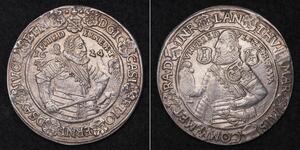
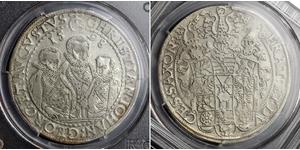
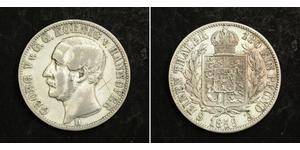
Prior to unification consolidation, silver thalers and gold pieces often bore his bust as Duke, representing regional autonomy before national integration were absorbed into broader currency standards. The portrait was not merely decorative; it signaled authority and continuity for local merchants traveling through the wider economic zone of North Germany. Collectors find these issues interesting because they bridge the gap between independent duchy minting traditions—where he held sway—and central government standardization later imposed on the state.
The Collector's Perspective
For numismatists seeking pieces beyond major empires like Austria or Prussia, coins from Saxe-Altenburg offer a unique glimpse into minor European monarchy traditions. These issues are particularly sought after for their provenance within specialized collections dedicated to the German Empire states before and during World War I.
- Rarity: As an independent minting entity ceased full operation as Germany centralized finance, surviving examples of his sovereign portrait currency are less common than mass-produced imperial issues from larger entities like Prussia or Bavaria.
- Historical Context: Acquiring these pieces allows one to visualize the political fragmentation that defined Europe during the 19th century. The coins represent a transition period where local rule blended with national identity, offering an educational window into how currency functioned as a symbol of sovereignty.
Navigating this era through minted metal provides historians and enthusiasts alike with insights beyond text-based records, connecting personal history to the economic reality faced by citizens of Saxe-Altenburg during his fifty-five years of rule. Exploring these items remains an engaging way to understand the decentralized nature of German politics before total unification.


