| Quietus (?-261) | Link to Wikipedia |
Titus Fulvius Junius Quietus (died c. 261): History and Coinage
In the mid-third century, few figures embody the instability of Rome better than Titus Fulvius Junius Quietus. A distinguished member of the military tribune class under Emperor Valerian before ascending to power during a crisis, he represents one of several claimants who emerged following the catastrophic Sassanid campaign that captured their father in 260 AD.
The Rise and Fall
Quietus was not merely a regional warlord but part of the prestigious Fulvius family, closely linked to imperial administration through his connection to Balista. Following Valerian's surrender by Persian forces, the vacuum in Rome led soldiers under Gallienus' distant authority and local eastern legions to elect Quietus alongside his brother Macrianus Minor as co-emperors. While their father controlled imperial wealth, these men faced a precarious political situation with Gallienus commanding armies from Gaul.
The Numismatic Record
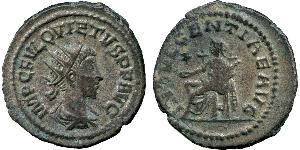
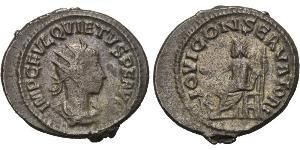
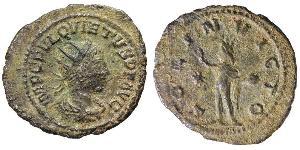
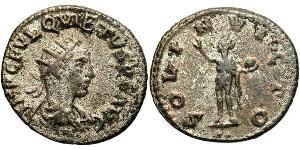
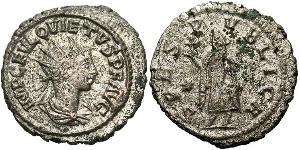
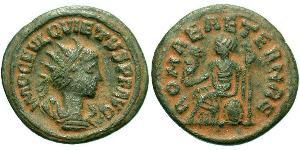
Coinage serves as the primary historical record for this brief period of rebellion in Syria and Mesopotamia during 260 to 261 AD. These pieces were struck primarily in Antioch, Edessa, and other eastern mints that supported their claim against Gallienus' Western control. Numismatists look closely at the reverse imagery used by these usurpers; they differ from standard imperial coinage of Valerian or Claudius Gothicus, showing specific military tribune motifs intended to legitimize this unauthorized power.
Collector Significance
- Rarity and Historical Narrative: These coins are exceptionally scarce, reflecting their short-lived reign before defeat by Septimius Odaenathus. They represent a pivotal moment when Palmyrene loyalty to Rome fractured under imperial weakness.
- Scholarly Context: Examining these specimens helps students trace the transition of power from Roman usurpers in Syria to the eventual rise of Zenobia and her son, providing crucial context for numismatic studies of late antiquity. These issues help date archaeological strata precisely within that turbulent timeframe without relying solely on textual sources.
Odaenathus besieged Quietus until his death amidst the populace. For historians and collectors alike, understanding these pieces illuminates how coinage legitimized military power when central imperial authority faltered, marking a dark chapter in the Roman legacy before eventual stabilization by eastern client kings.