| Claudius II (213-270) | Link to Wikipedia |
Marcus Aurelius Claudius Gothicus (214 – 270): History and Coinage
Marcus Aurelius Claudius Gothicus, often known simply as Claudius II, stands as a pivotal figure during the final years of Rome's Crisis of the Third Century. His reign began in summer or autumn of 268 AD following the sudden removal of Gallienus from power by mutinous troops and conspirators. Unlike emperors who sought legitimacy through senatorial endorsement alone, Claudius was proclaimed by his soldiers before he had reached many provinces within the empire's borders. This shift emphasized martial authority over aristocratic lineage during a time when the state relied on military strength to hold back barbarian incursions from the Danube and East.
Military Achievements:
Historians note that Claudius spent most of his career as a soldier, serving under emperors like Decius. While legends describe him possessing superhuman physical strength to defend Thermopylae or defeat opponents in wrestling matches during the 250s, modern scholarship suggests these accounts are likely fabrications designed by later biographers. Nevertheless, he succeeded where many predecessors failed against Germanic invaders and Gothic groups pressing toward Greece.
Claudius's most enduring historical mark came from his success at Naissus in Moesia Superior (modern-day Niš). There, under intense pressure during the plague season or before it ravaged the provinces of the Empire more broadly, he decisively defeated a massive force invading by sea and land. His victory forced him to take the title Gothicus on official records and coinage.
Coinage in Relation to Political Authority
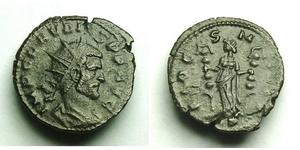
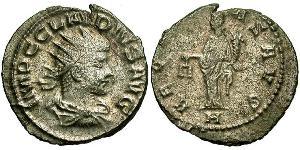
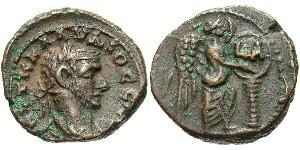
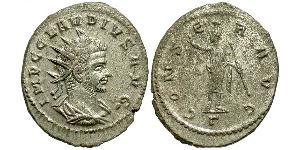
The coins minted during Claudius's short tenure reflect his status as one of the "soldier emperors." Unlike previous dynasties which often utilized idealized portraits, these issues display a rugged facial structure on denarii and antoniniani that signifies his direct connection to the legions who elected him. The reverse legends frequently celebrated victories against tribes such as the Herulians or Visigoths.
Coinage struck under Claudius was not merely currency but political propaganda legitimizing a ruler whose power derived from swords rather than birthright. By 270 AD, the empire faced multiple breakaway states in Gaul and Syria, yet his coins attempted to project unity and military resilience across distant mints.
Numerical Rarity for Collectors
Rarity:
Coin collectors value these ancient examples because they represent a transitional moment between the chaotic period of usurpers like Aureolus and the eventual consolidation under Aurelian. The brevity of his reign meant fewer mints were produced compared to longer-reigning dynasts, making preserved specimens less common in private cabinets.
Historical Connection:
Awareness of Claudius's rise helps enthusiasts visualize the era when emperors walked alongside soldiers rather than distant palaces. Owning a piece featuring this profile offers a tangible link to how Roman identity shifted after Decius, balancing traditional imperial iconography with new demands for military protection.