| Valentinian III (419-455) | Link to Wikipedia |
Valentinian III (419 – 455): History and Coinage
Introduction
Valentinian III stands as a pivotal figure in the twilight of classical antiquity. Born to Galla Placidia and Constantius III, he ascended to power at six years old following his mother's regency after Joannes' death in 425. His reign was not defined by conquest but by survival; it navigated the perilous balance between internal civil wars among generals like Aetius and external pressures from Huns and Vandals. As the last representative of both the Valentinianic and Theodosian dynasties, his rule symbolized a desperate attempt to maintain Roman legitimacy as the Western Empire fractured against Gothic threats in Gaul or Hunnic invasions across the Danube.
Relationship to Coinage
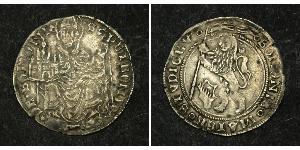
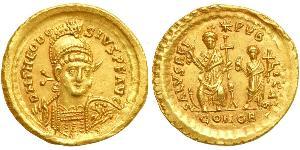
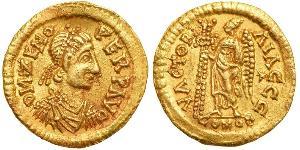
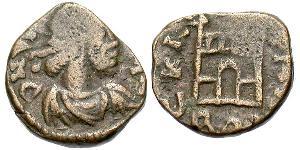
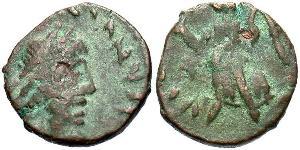
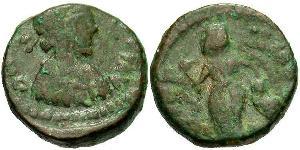
During his lifetime, the imperial administration at Ravenna issued solidi depicting this young emperor's authority. These coins were minted to stabilize economic conditions in Gaul and Italy while funding Aetius' defense campaigns against northern tribes after victories like those associated with repelling Attila or negotiating peace treaties over territories lost to Carthage. The portraits evolved from childhood depictions during his mother’s influence to mature representations aligned with Eastern court standards as he married Licinia Eudoxia later in life. Collectors recognize that these pieces are often standardized solidi, representing the final phase of classical Roman portraiture before transitioning into late medieval styles. While gold was scarce due to barbarian demands for tribute and ransom, his coins circulated heavily in trade relations with Constantinople, acting as a financial bridge between East and West during turbulent times like Attila's raids or Vandal overruns.
Why Collectors Value These Coins
History enthusiasts prize these issues not merely as currency but as tangible proof of the Empire’s resilience amidst collapse. The rarity of high-purity gold from this period makes them desirable for specialized ancient Roman collections, particularly those focusing on late antique dynastic completeness. Their survival is uncommon given that bronze coins were often melted down or spent quickly while gold solidi survived burial in hoards across Europe and Asia Minor. Each coin offers a window into the power dynamics between emperors and powerful generals who effectively governed Rome during his minority years before he was eventually assassinated by Aetius's guards at Ravenna. For intermediate collectors exploring Theodosian lineage, this numismatic evidence completes their historical understanding of how a dynasty attempted to control an empire that was ultimately retreating without losing all prestige immediately.