| Charles VI, Holy Roman Emperor (1685-1740) | Link to Wikipedia |
Charles VI (1 October 1685 – 20 October 1740): History and Coinage
Charles VI served as the last male Habsburg ruler of Austria before his daughter, Maria Theresa, ascended the throne. His reign was defined by a desperate necessity to prevent the fragmentation of European territories after death from natural causes or war losses without direct heirs. Facing political isolation due to lack of male descendants in line with Salic law traditions within certain realms, he forged new legal frameworks known as Pragmatic Sanctions that allowed female succession under specific treaties.
This era marked a pivotal shift where the Holy Roman Empire navigated complex diplomatic relationships involving Spain and France while attempting to maintain continental stability through trade policies rather than conquest alone. His efforts culminated in securing recognition from multiple monarchies, ensuring his family's legacy would survive despite significant opposition from rivals like Louis XIV of France.
Relationship to Coinage
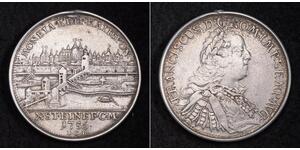
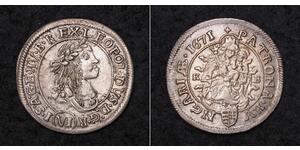
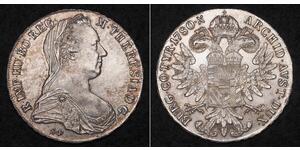
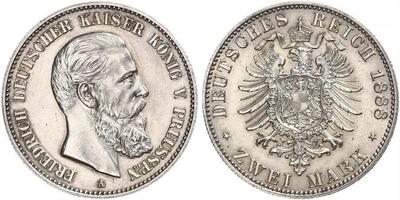
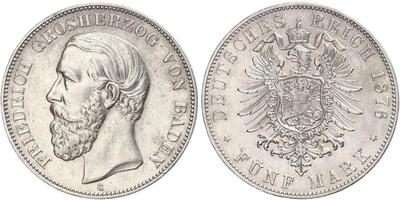
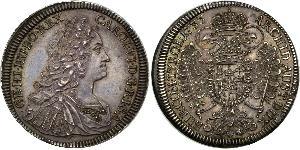
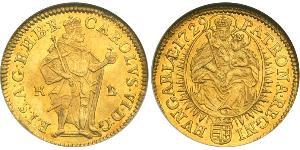
Currency issued during Charles VI’s rule serves as a historical record spanning the transition between old dynastic orders and new constitutional realities. Coins bearing his portrait were minted across imperial territories in Vienna, Munich, Prague, and later circulated into Spanish lands during periods where he claimed rights over those kingdoms.
The imagery chosen for these strikes typically emphasized regalia rather than military triumphs, reflecting a monarch whose primary legislative tool was diplomacy and succession law. Many of the pieces struck feature busts designed to be recognizable in international trade markets across Europe, functioning not just as money but as mobile propaganda legitimizing his rule under controversial political circumstances.
Why Collectors Value These Coins
Hobbyists appreciate these artifacts because they encapsulate a unique moment when legal disputes were etched into metal by royal authority. For those assembling collections on eighteenth-century Europe, the pieces offer access to understanding how empires communicated power without modern technology beyond their reach.
The artistic quality and stylistic transition found in his portrait engravings mark important developments in mint engraving techniques of that period. Additionally, identifying a coin dated after 1740 often connects directly with the beginning of Maria Theresa's reign which follows immediately on these issues. For scholars interested in diplomatic history visible through monetary policy or those seeking items from this specific transitional era.
Owning such coins allows enthusiasts to examine how currency facilitated political alliances and economic exchange during one of Europe's most turbulent periods, offering a tactile connection to the struggles that defined an entire generation of sovereigns.