| Elagabalus (203-222) | Link to Wikipedia |
Elagabalus c. 204 – 13 March 222: History and Coinage
Marcus Aurelius Antoninus, historically known by the posthumous name Elagabalus, represents a fascinating chapter in early third-century Roman history. Born into prominence within the Syrian Arab dynasty at Emesa, he ascended to the imperial throne not through lineage or bloodright alone but due to complex family politics orchestrated by his grandmother Julia Maesa. His reign was marked by significant cultural friction as he sought to elevate the cult of Elagabal from his native Syria above traditional Roman deities. This clash occurred against a backdrop where Rome's stability depended heavily on the Severan dynasty, and his abrupt removal at age eighteen ended one of history's shortest yet most controversial imperial tenures.
The Imperial Imagery
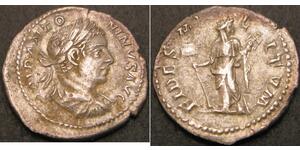
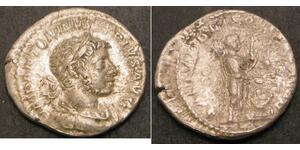
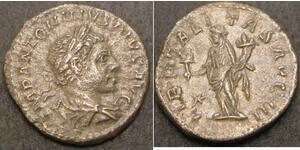
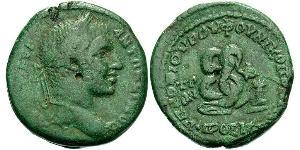
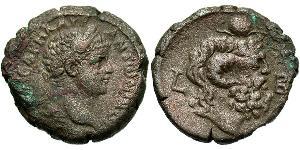
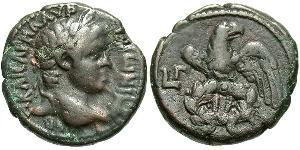
Determining what coins circulated during Elagabalus's brief mandate presents challenges for scholars. Genuine coinage bearing the official names and titles from his time is exceptionally scarce, with few genuine gold aurei or silver denarii surviving today that can be securely attributed solely to him while in power.
This scarcity was partly intentional; opposition factions within Rome likely viewed any issue as propaganda supporting a religious outsider. Upon the assassination plot succeeding under Maesa's direction against his cousin Severus Alexander, political opponents often sought to erase visual reminders of such instability by suppressing or destroying associated currency rather than celebrating it later in private hoards.
Coin collectors analyzing the portraits find that early issues utilize images borrowed from Caracalla since he had assumed Marcus Aurelius Antoninus as his title after becoming Caesar. This confusion between imperial names adds to the intrigue regarding authentication and historical record-keeping during this turbulent period of civil unrest, making identification difficult for all but those deeply versed in Severan types.
The Collector's Interest
- Rarity: Authentic pieces are often found only among seasoned specialists seeking ancient Rome's most elusive types.
- Historical Context: These coins allow enthusiasts to study the visual representation of a young Syrian prince trying to rule an Italian metropolis during times of crisis and rebellion.
Possessing Elagabalus-related artifacts offers more than mere investment potential. They serve as tangible evidence regarding Roman society's limits for religious tolerance in antiquity, reflecting the tension between established Senate powerhouses versus Eastern mysticism introduced into public life by decree from a teenage head of state.
In conclusion, while Elagabalus's personal reputation among contemporary historians remained mixed to severe criticism due to his unconventional conduct, the coins associated with him survive as rare testaments that he was recognized officially. Understanding these artifacts allows collectors and students alike to appreciate how currency functioned not just as trade metal but as a primary medium of imperial propaganda and political legitimacy.