| Allectus (?-296) | Link to Wikipedia |
Allectus (died 296): History and Coinage
The Shadow Usurper of Britannia
Welcome to a brief exploration of one of the most obscure yet fascinating figures in late Roman history. Allectus, who ruled as commander from roughly twenty-nine three until 296 C.E., served initially as treasurer before becoming master himself during Britain's turbulent third century crisis.
The Historical Context
In a period marked by imperial fragmentation along the western frontier, Roman-Britannic leader Carausius seized power in the late twenty-eighties. After successfully isolating his forces against Constantius Chlorus’s campaign to retake Gaul's ports like Bononia, Allectus made a decisive move that would cement his legacy: he assassinated Carausius and assumed command himself.
This period represents a unique anomaly where Roman authority in Britain was openly challenged from within the province. While records are sparse compared to major emperors of Constantinople or Diocletian, Allectus provides critical insight into local governance dynamics during an era when Rome struggled to integrate distant provinces back into its fold.
The Numismatic Connection
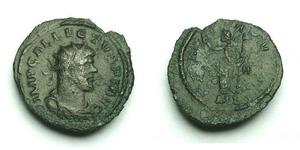
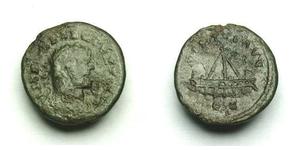
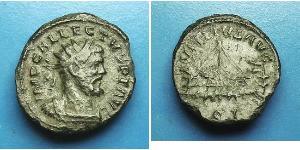
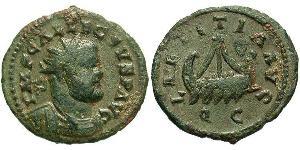
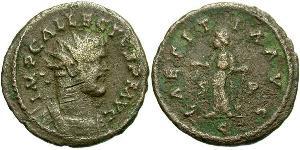
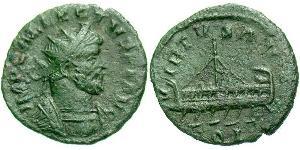
Much like his predecessor Carausius, who utilized coinage for propaganda purposes appealing to British sentiment regarding "liberty," Allectus struck currency to assert legitimacy against the central government in Italy. Coins depicting him were issued during his lifetime as part of this rebel regime based across northwestern Gaul and Britain.
These issues allow numismatists to trace a distinct distribution pattern that persisted even after key Roman territories recaptured land on the continent side of the English Channel, suggesting a rebellion network that lasted until 296. Constantius Chlorus subsequently issued medallic counter-propaganda following his victory.
The Collector's Appeal
Coin collectors are drawn to Allectus primarily for historical intrigue and numismatic rarity found within the series of Carausian usurpers. Because he ruled briefly before being assassinated, these pieces represent a rare window into military rebellion on Roman periphery.
- Rarity: The scarcity of coins bearing his portrait underscores their collectible nature among specialists in ancient Rome.
- Historical Context: They tell the story of provincial autonomy and loyalty to a local warlord rather than distant emperors.
- Propaganda Studies: Comparing Allectus's obverse portraits against Carausius provides data on artistic shifts during political transitions in Roman Britain.
Beyond their monetary value, these ancient treasures offer an opportunity to hold tangible evidence of a man whose life was erased by battle. Finding such a coin connects the finder directly to this dramatic chapter where London served as both a rebel stronghold and later a site for retreating Frankish legions.