| Seleucus I Nicator (358BC-281BC) | Link to Wikipedia |
Seleucus I Nicator (c. 358 BC – 281 BC): History and Coinage
Seleucus rose from the ranks of Alexander’s generalship to become a king who forged one half of civilization during its greatest era of expansion. His career spans three decades following the death of Alexander the Great, navigating complex political alliances in Babylonian court politics before securing his throne against rivals like Antigonus and Lysimachus. He was assassinated by Ptolemy Ceraunus shortly after invading Thrace, leaving behind a dynasty that ruled from Anatolia to Iran for nearly two centuries. His historical significance lies in bridging the gap between ancient Greek city-states and Persian imperial structures through diplomatic marriages like his union with Apama at Susa.
Relationship to Coinage
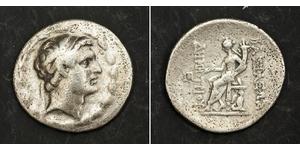
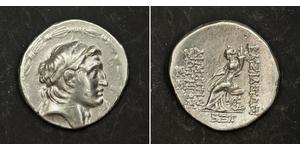
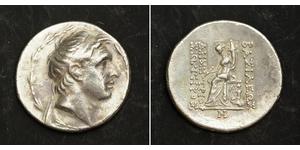
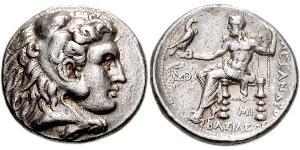
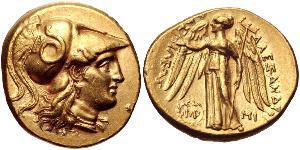
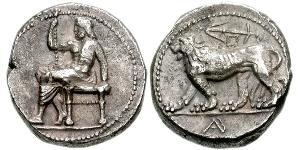
Political authority was visually asserted early on, as Seleucus commissioned minting operations across Babylonia, Antioch, and other regional hubs within the empire’s borders. These coins were primarily struck during his lifetime to finance military campaigns and trade along the Silk Road routes connecting Rome with India. While some earlier issues bore generic royal symbols, portraits often incorporated bull horns referencing an anecdotal feat where he wrestled a free bull before Alexander himself. This imagery distinguished his currency from that of his contemporaries Ptolemy I or Lysimachus, offering numismatists clear markers for dating and identifying the issuing satrapies during turbulent succession wars following Alexander’s death. The legend Nicator was prominently displayed to reinforce the claim he had established a new order where Greek administration ruled over Persian lands effectively.
Why Collectors Value These Coins
Specimens attributed to this dynasty remain highly sought after for their connection to Hellenistic state-building rather than mere market value. Early issues are rare due to the chaotic wars between Diadochi that frequently disrupted mint production standards across his vast territories. For history enthusiasts, holding a tetradrachm or silver denarius allows direct observation of artistic trends transitioning from classical Macedon styles into more localized Asian artistry evident in Antioch productions. The scarcity of genuine examples alongside high-profile historical events like the Battle of Ipsus makes them prized objects for specialized collections focusing on Alexander’s successors. Understanding these issues provides a deeper appreciation of how currency evolved from simple transactional tools to instruments of imperial propaganda and diplomatic prestige during antiquity, preserving memories of an empire that eventually fell only with Rome's rising influence.