| Paul I (1754-1801) | Link to Wikipedia |
Paul I of Russia (1754–1801): History and Coinage
The Man Who Briefly Held the Crown
Emperor Paul I stands as a pivotal yet controversial figure in Imperial Russian history. Born on October 1, 1754, he entered adulthood under the long shadow of his mother, Catherine II. Although raised by Empress Elizabeth and subsequently overshadowed by her own power ambitions during early years, Paul grew into a ruler determined to assert male authority over state affairs upon ascending in 1796.
Historically significant for adopting laws that clarified succession rules favoring the son of Peter III, he actively opposed expansionist wars favored by his mother and sought instead defensive military policies. His attempts to curtail noble privileges and impose discipline on officers ultimately created a deep resentment within the army hierarchy. This political tension led directly to a conspiracy among high-ranking officials who assassinated him in March 1801 while attempting to force an abdication at Gatchina Palace.
Currency as Historical Evidence
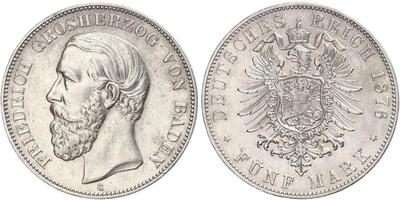
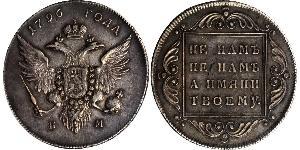
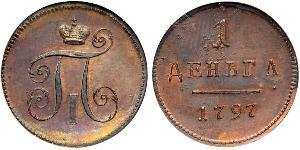
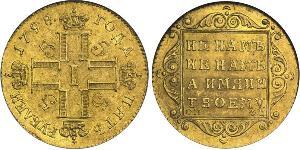
The coinage associated with Paul I reflects the unique instability of his short reign. During this period, Imperial Russia issued silver and copper denominations that featured imperial portraits intended to assert continuity amidst political shifts in Europe regarding France and Britain.
- Political Entities: The Tsardom/Imperial Russia struck currency under his name from 1796 until his death. He also served as Grand Master of the Order of Malta, though numismatic artifacts primarily circulated within imperial mints rather than foreign orders.
- Timing and Issues: Most standard issues were minted during his lifetime, capturing a brief window between 1796 and 1801. Posthumous releases are rare for this specific era due to the sudden succession of Alexander I following violent events in Gatchina.
- Motivation: Portraits placed on these coins were intended to reinforce imperial legitimacy as Paul navigated diplomatic shifts, realigning Russian alliances and attempting military reforms that contrasted sharply with previous traditions maintained by the House of Romanov for generations.
The Value For Collectors
For history enthusiasts and collectors, these pieces represent a tangible connection to an era where enlightened despotism began its transition toward modern warfare. The scarcity of high-grade examples from his short tenure makes them valuable assets for those specializing in Russian Imperial series.
- Rarity: Circulating coins with dates between 1796 and March 1801 are less common than issues under longer reigns like Nicholas II or Catherine the Great, offering collectors a specific historical snapshot of currency survival through revolution-era conflicts.
- Educational Context: Studying Paul’s coins helps learners understand how visual media communicated state authority when diplomatic alliances shifted violently on European battlefields before Napoleon's full ascent.
In the study of Russian numismatics, examining these pieces allows one to see history preserved in metal, offering a direct window into an Emperor who shaped his own destiny despite overwhelming opposition from those within his military command structure seeking change and power consolidation.