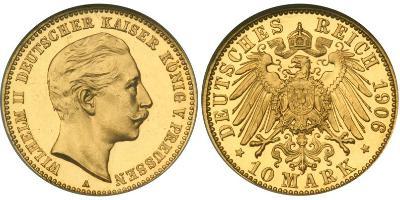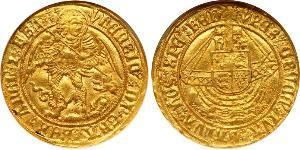
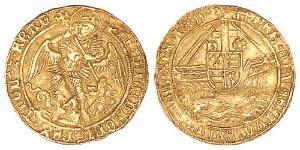
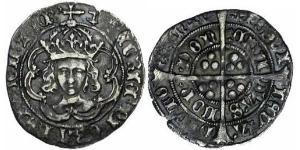
| Henry VII (1457 - 1509) | Link to Wikipedia |
Henry VII of England (1457–1509): History and Coinage
A Legacy of Stability
The reign of Henry Tudor concluded a brutal era known as the Wars of the Roses, seizing power from Richard III in 1485 after a decisive field victory that ended decades of civil strife between York and Lancaster factions. As the first sovereign to establish the House of Tudor upon the throne, he transformed England by securing the crown through military conquest rather than mere inheritance or negotiation. His ascent was followed immediately by efforts to restore economic order after years where feudal conflict had severely disrupted commerce and state finance.
The historical narrative centers on a pragmatic monarch who prioritized fiscal health over extravagance during his twenty-four year reign. He focused heavily on strengthening the English wool industry while ensuring that revenues were raised through stable administration rather than spending lavishly. This stability allowed for long-term peace after centuries of dynastic violence, setting the stage for future economic growth.
The Face on the Coinage
This pragmatism directly influenced the currency of the realm at the time. Coins issued under this era were essential for rebuilding trust in English money, which had been unstable due to Yorkist rule or debasement practices common elsewhere during conflicts.
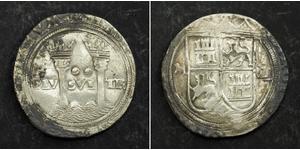
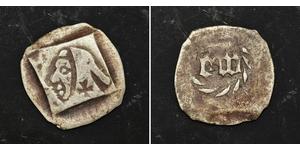
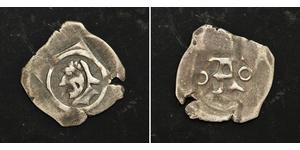
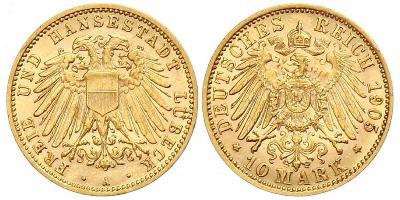
Hunters and collectors note that these pieces were primarily minted within the Kingdom of England. The portrait legends often bore Latin names asserting divine right alongside Tudor authority over new dynastic lines. His coinage acted as a tool for diplomacy; he utilized gold exports from mints to solidify alliances with France while suppressing local inflation through tax revenue measures collected via the standardized money system circulating across his territories.
The Appeal of These Coins
Coin collectors value these artifacts for several distinct historical reasons:
- Rarity and Condition: The minting policies favored the preservation of currency quality, leading to high survival rates but scarcity in specific denominations due to strict mintage controls during his early reign.
- Symbolic Transition: Collectors often seek coins that bridge medieval traditions with early modern governance. Henry's coinage sits precisely at this turning point where heraldry began unifying the conflicting rose symbols on metal surfaces.
- Economic Significance: Understanding how English merchants fueled national wealth through trade using copper pennies or gold nobles provides insight into a period where state finance became professionalized.
Avoiding later debasement practices allowed Henry's coinage to maintain weight and purity longer than some contemporaries. Owning these pieces allows enthusiasts to hold a physical testament to the unification of Lancastrian lineage with Yorkist heritage, symbolized directly on the faces and reverses of their currency.
Educational study encourages viewers to examine how portrait styles shift under Tudor direction toward realistic facial features seen in early Renaissance art. By focusing on historical context rather than market value alone, collectors appreciate that every specimen tells a story of England's path from feudal fragmentation to centralized power. Exploring these items helps enthusiasts visualize the very currency used by kings and merchants alike during this transformative century.