| Justinian II (669- 711) | Link to Wikipedia |
Justinian II (668/9 – November 4, 711): History and Coinage
Introduction to a Turbulent Era
Justinian II stands as a pivotal figure in late seventh-century Byzantine history, representing both military ambition and internal strife within the Heraclian dynasty. Born to Emperor Constantine IV, he ascended at age sixteen during a time of relative stability that quickly soured into political turmoil. His rule was defined by relentless efforts to reclaim lost territories against Arab caliphates and Slavic tribes in Thrace.
However, his heavy-handed policies sparked rebellions among the populace and aristocracy alike. A defining moment of his first reign occurred in 695 when a popular uprising led to his deposition. In accordance with strict Byzantine customs designed to prevent deposed leaders from reclaiming power through usurpation attempts, he suffered physical mutilation—a practice that would become legendary in historical memory.
Relationship to Coinage
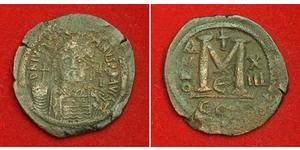
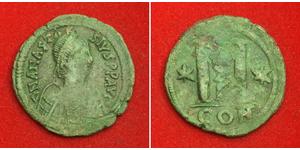
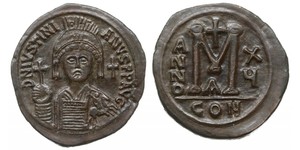
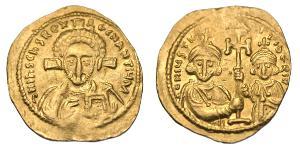
In the context of Imperial iconography, every legitimate ruler required their likeness on currency to signify authority and divine sanction over subjects. During his first reign from 685 to 695, Justinian oversaw mints producing standard solidi that depicted him in traditional imperial regalia intended for domestic use abroad and international diplomacy.
The issuance of coins depicting the emperor was a political necessity rather than mere artistic expression. When stripped of his throne, these portraits ceased circulation until he reclaimed power under military intervention from Bulgaria in 705. This re-establishment required fresh mintings to announce his return as a restored sovereign, effectively resetting official currency standards within the Empire.
The historical transition surrounding Justinian II’s coinage offers numismatists a rare glimpse into how political legitimacy was enforced through material objects.
Why Collectors Value These Coins
- Narrative Significance:
- Coin specimens from this era carry the story of an imperial restoration, allowing collectors to physically hold artifacts tied to dramatic historical turning points like depositions and coups.
- Rarity and Condition:
- The specific series associated with his brief second reign are often sought after by those focusing on thematic completeness regarding Heraclian dynastic lines. Coins found in hoards provide insight into trade routes impacted during the wars he fought against external powers like Khazars.
For enthusiasts exploring medieval currency, Justinian II offers a tangible connection to an age where emperors ruled through military strength and religious orthodoxy alike. Examining these pieces helps appreciate how economic life was inextricably linked with the political stability—or instability—that defined his legacy.