| Frederick I, Duke of Anhalt (1831-1904) | Link to Wikipedia |
Frederick I Duke of Anhalt (1831–1904): History and Coinage
The Legacy of a Unification Era Ruler
Frederick stood at the helm of one of Germany's smallest but historically significant duchies during a pivotal century. As head house of Anhalt, he oversaw the region from 1871 to 1904. This period marked his transition into history as the first sovereign leader after decades spent preparing for governance in military and academic circles abroad.
His personal narrative is defined by the consolidation of German states under a single banner following national unification, but he maintained local independence within that structure. Before ascending to power through inheritance in 1871, Frederick served with distinction during major conflicts involving European powers. This dual identity—local duke and decorated military officer—infused his reign with stability amidst the shifting tides of imperial politics.
The political landscape he navigated was one where regional pride coexisted with a growing sense of national unity among neighboring German states, yet this tension directly influenced currency production within his domains. His tenure coincided precisely with a transition in monetary systems that would define modern numismatics for the era.
Coinage and Historical Authority
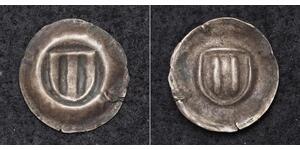
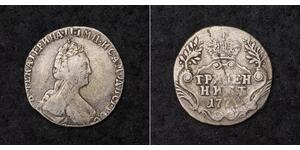
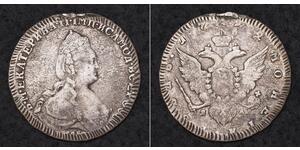
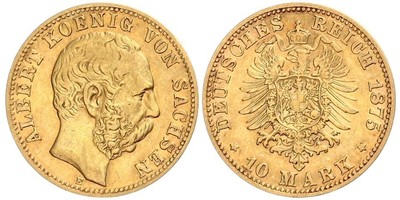
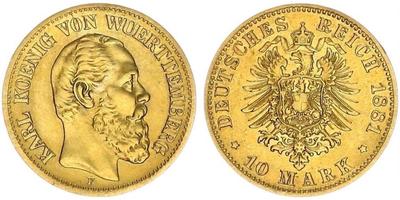
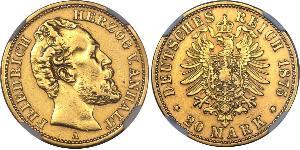
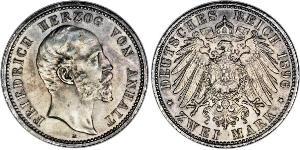
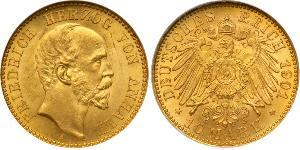
The coins minted under Frederick I's direction serve as tangible evidence of Anhalt's status within the German Empire. While many minor duchies adopted standardized Imperial currency, local mints in Dessau occasionally produced issues bearing regional portraits or symbols to denote state identity.
- Era: Issues spanned from 1873 until roughly the early years of World War I.
- Mint Authority: The coins were struck in local facilities utilizing silver and gold standards still prevalent then.
- Sovereignty: His likeness or name on these pieces signified his authority over regional trade, even as Prussia dominated the broader monetary framework.
The decision to circulate coins with an Anhaltian head represented a compromise between imperial unity and local tradition. Unlike major emperors whose faces appear universally across borders, Frederick's depiction was specific to internal circulation or limited exchange zones where German regional identity remained culturally prominent despite political changes.
Numerical Value for Collectors
The value of these pieces lies not in their market price but in the historical weight they carry. Each coin represents a fragment of daily life during the height of Germany's unification and industrialization efforts before global conflicts altered national boundaries.
- Rarity: As regional production was limited compared to major mints, survival rates can be low for certain denominations or mint states from his reign.
- Aesthetic Interest: Designs reflect late nineteenth-century artistic sensibilities common in German coinage of that time.
- Narrative Context: These pieces allow collectors to trace the evolution of a small state navigating its relationship with rising Imperial power during this era.
Dedicated enthusiasts seeking these items should appreciate them for their connection to specific historical periods. The coins offer insight into local administrative autonomy before complete monetary centralization occurred across Germany.