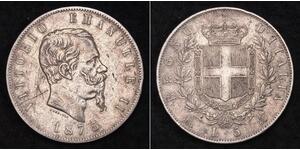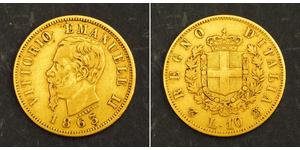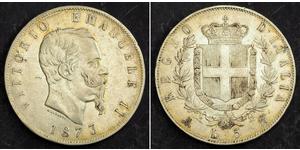
| Charles Albert of Sardinia (1798 - 1849) | Link to Wikipedia |
Charles Albert of Sardinia (1798–1849): History and Coinage
The Man Behind the Currency
Charles Albert of Sardinia, also known as Carlo Alberto I, served as a pivotal figure during one of Europe's most transformative political eras. Born in Turin to the House of Savoy and educated amidst French revolutionary influences, he initially embraced absolutism before pivoting toward constitutional monarchy. His reign from 1831 until his abdication in 1849 is deeply intertwined with the birth of modern Italian sovereignty.
The man often nicknamed "the Hesitant King" played a crucial role in drafting and enacting the Statuto Albertino, which became Italy's enduring constitution. However, he led Sardinia into conflict against Austrian forces during the First War of Independence before ultimately withdrawing after defeat at Novara. This narrative arc—from conservative prince to constitutional reformer—makes him indispensable for understanding early Risorgimento history.
The Relationship Between Charles Albert and Coinage
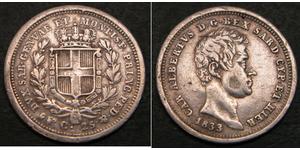
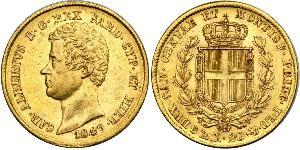
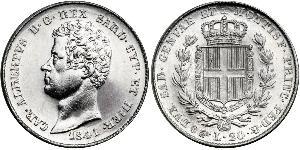
Coins issued during his rule serve as tangible artifacts of a shifting political landscape. As the heir presumptive before ascending in 1831, he eventually became King upon the death of his cousin Charles Felix. The Kingdom of Sardinia minted currency primarily from Turin throughout his life.
- Mint Authority: These pieces were struck during a transitional era between traditional absolutist imagery and symbols representing constitutional legitimacy.
- Lifespan vs. Posthumous Issues: Portraits of the King appear on currency circulating throughout his active reign (1831–1849). While post-regime commemorative pieces may exist, circulation coins represent the state's economic reality during a war-torn period.
- Historical Context: During this time, the House of Savoy sought to establish its dominance over northern Italy. The coinage was not merely money but a declaration that Piedmont-Sardinia was moving toward becoming part of a federal Italian structure led by the Pope and freed from Habsburg control.
The Numismatic Appeal for Collectors
Numismatists find particular value in coins bearing Charles Albert because they encapsulate the birth of modern Italy. Unlike coinage depicting rulers whose dynastic lines remained secure, these pieces mark a monarchy that evolved into a constitution and then faced existential military threats.
- Rarity: Survival rates for silver francs from his era can be limited compared to later issues of Victor Emmanuel II. The turbulent nature of the 1840s, with frequent wars in Italy, led to accelerated circulation and heavy wear on common denominations.
- Educational Value: Each piece provides a lesson regarding currency standards used during European unification efforts before Italian independence was fully achieved. Collectors analyze how designs shifted subtly toward the nationalist sentiment that would culminate in 1861 under his son.
In conclusion, coins featuring Charles Albert are more than metal and ink; they offer a window into the complex political struggles of Savoyard Italy. They invite collectors to study a monarch who hesitated yet persisted toward liberal reforms, securing a legacy that defined constitutional governance in Europe for decades.