| Charles II of Spain (1661-1700) | Link to Wikipedia |
Charles II of Spain (1661–1700): History and Coinage
Charles II stands as the final sovereign from the House of Habsburg to rule Spain directly until 1700. His accession began a period of intense diplomatic focus on succession, particularly due to his poor physical health and lack of offspring that would eventually precipitate the War of Spanish Succession spanning several decades following his death in November 1700. While he ruled with the support of regents like Mariana Engracia Álvarez de Toledo Portugal y Alfonso-Pimentel during early years as a minor, Charles became active politically by age twelve yet remained prone to illness requiring special medical treatments involving family burial sites for perceived spiritual aid.
Born amidst noble traditions that prioritized blood purity and consanguinity within the extended royal family, he inherited an empire challenged economically even before his own challenges began. Historians note from birth they waited for him while governing was complex due to economic crises and European power shifts involving France and England during this turbulent era.
Relationship to Coinage
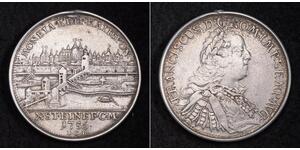
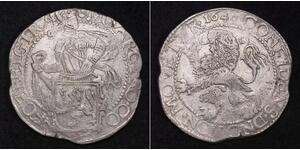
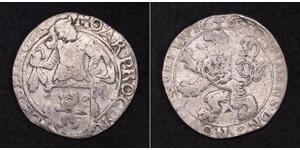
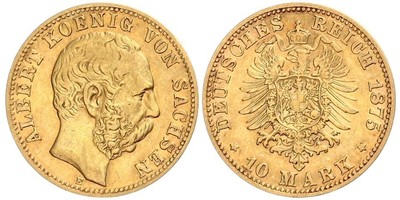
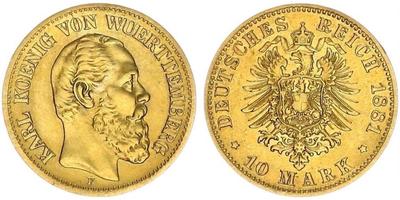
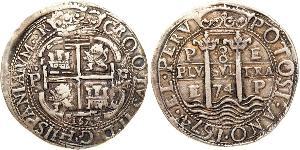
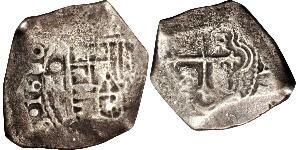
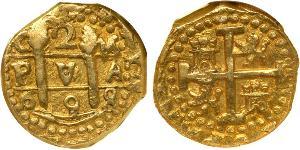
During Charles's lifetime, coins bearing his effigy were minted across Spain and its territories. The currency struck in mints under the Habsburg administration often featured religious imagery alongside royal portraits reflecting traditional iconography that sustained Spanish identity until succession crises arose following his deathbed testament.
Typical denominations included silver escudos used for international trade which circulated widely throughout colonial markets connecting Europe to New World settlements. Unlike many predecessors whose portrait usage shifted rapidly upon accession or abdication, Charles appeared on currency consistently until 1700 because diplomatic uncertainty regarding succession laws delayed immediate minting changes.
Why Collectors Value These Coins
Enthusiasts are attracted to these specimens not merely for monetary value but for their historical significance as witnesses of imperial transition. Several factors contribute specifically to the desire among history and coin collectors:
- The importance associated with holding currency minted during the final Habsburg reign.
Rarity is found in high-grade examples surviving from before major debasement policies began under war pressures affecting mints across Europe. Collectors also appreciate artistic transitions visible on medals and circulating coinage moving into early eighteenth-century sobriety styles that followed his death which replaced the Habsburg aesthetic.