| Mustafa Kemal Atatürk (1881-1938) | Link to Wikipedia |
Mustafa Kemal Atatürk (1881 – 1938): History and Coinage
Mustafa Kemal Atatürk was a pivotal statesperson who established the Republic of Turkey and guided it toward secularism following his leadership in 1923. For history enthusiasts examining the birth of modern nation-states, his legacy extends beyond battlefield strategy into public symbolism. His comprehensive reforms transformed a defeated empire’s remnants into an industrializing republic, embedding new values into society through law and culture. This radical shift from imperial tradition to republican governance offers a compelling lens for understanding statecraft in the early twentieth century.
The Relationship Between Atatürk and Numismatics
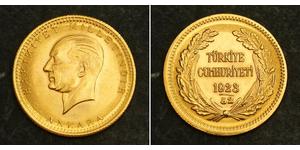
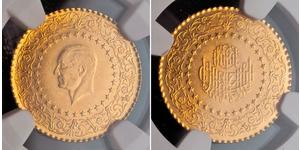
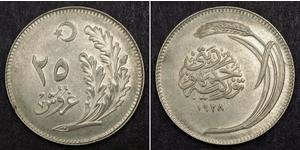
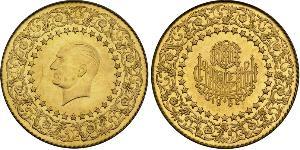
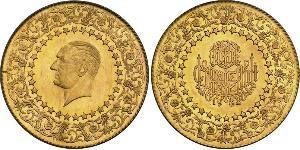
Numerous political entities issued coinage during this era, though his primary numismatic presence belongs to the newly formed Republic of Turkey. Following the proclamation of independence from Allied control, new currency issues abandoned traditional Ottoman iconography involving religious symbols or imperial caliphate motifs in favor of portraits depicting Atatürk. This shift occurred largely between 1923 and 1938, with his image continuing on commemorative series for decades afterward.
This transition served multiple purposes: it signaled a break from the past Ottoman administration to secure state legitimacy during post-war reconstruction. The currency became an extension of policy, embedding republicanism directly into daily economic life rather than leaving symbolism solely in education or law. Collectors examining these issues see how material money functioned as propaganda and educational tools simultaneously.
Why Collectors Value These Coins
Possessing a specimen from this era often involves appreciating the historical weight of national transformation over simple rarity metrics. The design evolution mirrors the nation’s move away from traditional aesthetics toward industrial modernity. Key aspects for enthusiasts include:
- Narrative Significance: These coins document visual identity shifts during a period of intense political change.
- Minting Context: Early Republic issues often utilized simpler production methods reflecting resource allocation in the 1920s economy.
- Cultural Education: For students of world history, these artifacts illustrate how currency standardizes national language and values instantly to a populace.
Understanding the minting conditions helps enthusiasts appreciate how material currency functioned as an educational tool for public unity. These pieces hold significance within specialized collections focused on Turkish history and post-colonial republic establishment. For those exploring international modern numismatics, these artifacts bridge political biography with tangible economic objects of statehood.