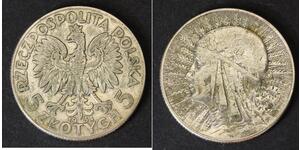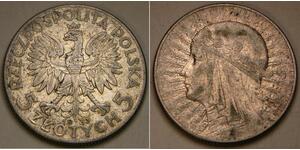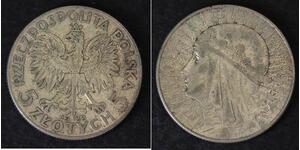
| Jadwiga of Poland | Link to Wikipedia |
Jadwiga of Poland (1374–1399): History and Coinage
Jadwiga of Poland, who ascended the throne at a young age in 1384, remains one of the most significant figures in Central European history. Known for her political acumen despite facing succession challenges between foreign nobles like William of Austria and domestic candidates from Masovia, she secured stability through her marriage to Władysław II Jagiełło. Her reign marked a crucial transition period where the Polish crown shifted from strictly dynastic inheritance to an elective system following her death in 1399. This era represents a fascinating window into medieval statecraft and female sovereignty.
Relationship to Coinage
In the context of numismatics, Jadwiga's reign coincides with significant monetary shifts within the Kingdom of Poland and its connections to Hungary. During this late-medieval period, Polish coinage typically emphasized heraldry rather than portraits, a common convention that distinguished Eastern European currency from Western counterparts which frequently featured royal effigies.
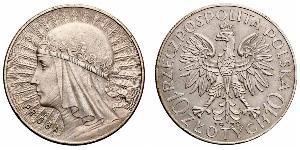
Coin issuance was strictly regulated as an assertion of sovereignty. While Jadwiga herself did not have extensive contemporary portrait money due to minting conventions and the brevity of her rule compared to later Jagiellonian kings, coins produced under the authority of the crown during this union period are vital for collectors studying early state currency.
The political alliances formed through her marriage impacted monetary relations between Hungary and Poland. Mints in Kraków began standardizing silver deniers that reflected the emerging Polish-Lithuanian identity, even if Jadwiga's likeness was not yet on them. For numismatists interested in medieval money history, these issues serve as proxies for understanding how political unification directly influenced economic systems.
Why Collectors Value These Coins
Collectors of medieval European currency seek pieces from this era to complete their chronological records of the Piast and early Jagiellonian dynastic lines. Scarcity is a primary driver; very few silver issues survive intact for these specific years due to historical circulation patterns.
- Rarity: Genuine 14th-century Polish groats are highly sought after by specialists focusing on Eastern Europe, where they represent some of the earliest stages of modern European state banking systems.
- Historical Context: Holding a coin from this period connects enthusiasts to the geopolitical events that shaped Poland's rise as an empire before it was partitioned centuries later.
- Nuanced Sovereignty: Because her status as both Queen and King is unique, any contemporary piece bearing associated royal arms helps scholars understand how female rulers maintained authority over state institutions like minting houses during the Middle Ages.
Possessing these historical artifacts offers a tangible link to an era when Poland was consolidating its borders through union with Lithuania. Exploring this numismatic heritage allows collectors to appreciate Jadwiga not just as a monarch, but as a figurehead whose legacy is immortalized in the silver she influenced during her lifetime.