
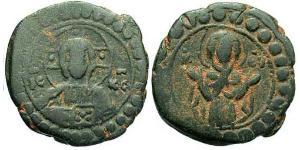
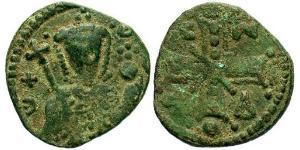
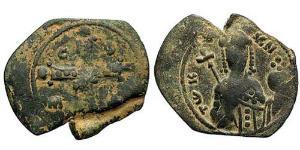
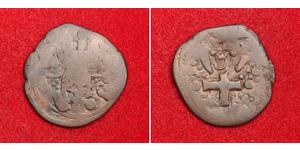
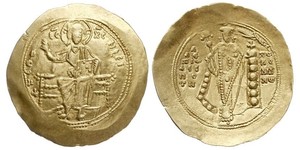
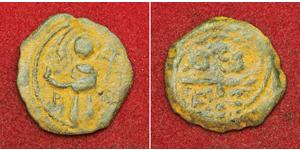
| Alexius I Comnenus (1056- 1118) | Link to Wikipedia |
Alexius I Comnenus (c. 1057 – 15 August 1118): History and Coinage
The Imperial Architect of Stability
Alexius I Komnenos stands as a pivotal figure in late Byzantine history, ruling from Constantinople between 1081 and 1118. His ascent to power followed a period of intense instability where the empire faced simultaneous threats from Normans in Europe and Seljuks in Asia Minor. By consolidating authority after deposing Nikephoros III Botaneiates, he initiated an era often termed the Komnenian restoration. Through diplomatic acumen and military reorganization, Alexius halted imperial decline, securing enough stability to call upon Western knights against Turkish incursions, which inadvertently launched the First Crusade in 1095.
Born of John Komnenos and Anna Dalassene, he was a nephew of Isaac I. His early life saw him serve under three previous emperors before leading a rebellion to take the throne for himself in February 1081. The legitimacy required for such an usurping act often necessitated adoption rituals, much like those performed by Empress Maria and her Alans earlier that year. This political maneuvering ensured his right was recognized legally as well as militarily, setting a precedent for future dynastic claims.
The Legacy of Imperial Currency
Numerous emperors historically used coinage as a tool of propaganda and economic control. For Alexius I Comnenus, gold hyperpyra struck under his name were vital instruments for rebuilding trade routes between East and West. Following the devaluation practices of earlier decades during times of invasion risk, he oversaw reforms that increased the weight and fineness of these solidi to pre-iconic Roman standards. Consequently, coins from this reign are highly prized by numismatists as they mark a distinct shift back toward quality currency production within Constantinople.
Collecting Interest
For history enthusiasts, securing an Alexius I Comnenus piece is less about market price and more about owning a tangible fragment of this specific recovery period. The rarity stems largely from their historical significance as financial backbones for armies fighting both Normans and Turks during the early Crusading era. Furthermore, examining these coins provides insight into how Byzantium reasserted its role in Mediterranean trade networks after nearly failing to collapse completely under siege conditions earlier that century.
This unique intersection of economic history and political narrative makes them essential additions for any specialized collection focused on medieval European currency evolution. The portraits found during his reign often depict a dignified face reflecting the renewed confidence projected onto foreign envoys, making every specimen a visual testament to a ruler who successfully managed internal succession while orchestrating one of Europe's most transformative military movements.


