| George IV (1762-1830) | Link to Wikipedia |
George IV (1762–1830): History and Coinage
The legacy of George Augustus Frederick as monarch remains significant for understanding the evolution of British royalty during the early nineteenth century transition period from Georgian austerity toward Regency luxury. Born in 1762, he began his public duties as Prince Regent when King George III fell into a final period of mental illness around 1811, eventually taking royal office himself until his death in June 1830.
This era marked a time where personal excesses influenced fashion trends while political stability was maintained under Prime Minister Lord Liverpool. His relationship with the crown fluctuated as he sought to reconcile public expectations regarding debt and national prestige against private scandals involving marriage laws and financial mismanagement by his household during these turbulent years of governance.
The Connection Between George IV and Currency
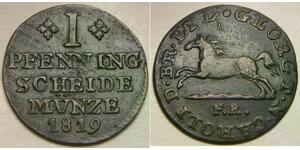
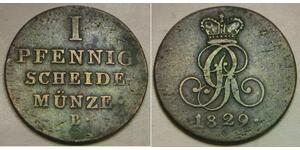
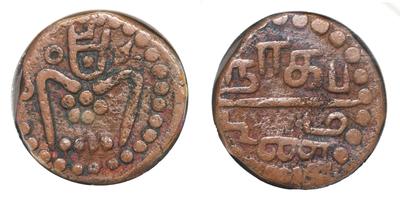
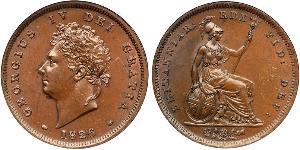
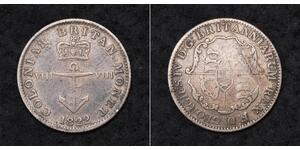
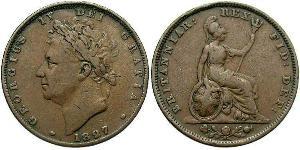
Coinage featuring this monarch was released primarily after 1820, though some issues date back slightly. The designs were chosen to project a dignified image of the crown despite contemporary criticisms about irresponsible financial behavior or his influence over ministers regarding Catholic emancipation topics.
- The official portraits on coins displayed mature features rather than youthful royal standards established in previous reigns under George III father figure throughout history books.
Circulation was standard throughout United Kingdom and Ireland, showing how legal currency remained distinct from the public sentiment which viewed him with contempt for marital disputes or extravagant spending habits involving stables alone costing vast sums annually at a young age before accession period ended his time in parliament during earlier life events.
Numerismic Appeal
Museums value this numismatic heritage because it illustrates how state authority functioned despite public disapproval regarding his marriage to Caroline or attempts at divorce legislation. The coins provide a tangible link to the Regency styles that influenced European design, even as he faced challenges with his wife predeceasing him later in life after she died earlier.
- Rare specimens help historians study how British money transitioned from Georgian designs into Victorian austerity under William IV brother succession events following Princess Charlotte tragic loss and other brothers deaths before 1830 year of death occurred within this era timeline for collectors today.
Educators suggest these pieces serve beginners well by demonstrating continuity in royal lineage despite personal failures that defined the public narrative. They offer insight into national financial systems during wartime peace recovery while allowing exploration of art styles commissioned for palaces and castles alongside official mint designs representing a figure called Prinny who led an extravagant lifestyle.