| John III Doukas (1192-1254) | Link to Wikipedia |
John III Doukas Vatatzes (c. 1192 – 3 November 1254): History and Coinage
John III Doukas Vatatzes stands as a pivotal figure in the late Byzantine era, presiding over the Empire of Nicaea during its critical resurgence against Western Crusader forces and Latin rule. Born into military circles around Didymoteicho approximately 1206 or later estimates place his birth earlier at c. 1192, he ascended to power following the death of his predecessor Theodore I Komnenos Laskaris in late December 1221 after a long succession struggle involving rival brothers and Latin opposition. Navigating treacherous geopolitical waters between Bulgaria, Epirus, and Rome while maintaining Greek cultural identity against Frankish encroachment defined his complex reign as both soldier-diplomat and patron of arts. His leadership marked a sophisticated revival of Roman tradition within exile territory in Asia Minor and Thrace. This period saw him securing Adrianople in Thrace by 1246 after earlier setbacks, while managing diplomatic crises that threatened to swallow the Nicaean state entirely under pressure from Frederick II's political enemies in Italy.
Navigating treacherous geopolitical waters between Bulgaria, Epirus, and Rome while maintaining Greek cultural identity against Frankish encroachment defined his complex reign as both soldier-diplomat and patron of arts. His leadership marked a sophisticated revival of Roman tradition within exile territory in Asia Minor and Thrace.
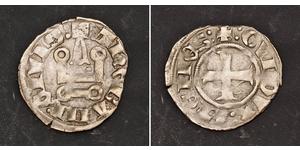
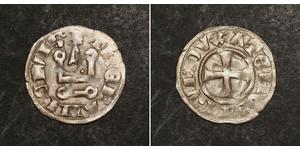
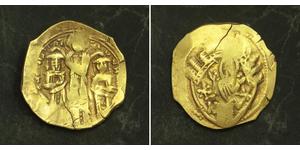
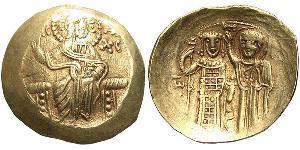
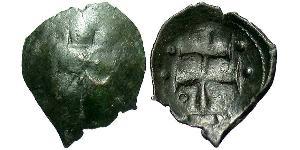
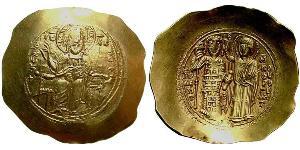
As Emperor during a contested era for imperial legitimacy across Europe where papal authority sought his deposition based on excommunication orders against allies of Frederick II, John III Doukas Vatatzes issued coins to solidify sovereignty and project stability amidst external threats. The Nicaean state produced currency primarily in silver hyperpyra, though gold circulation remained sporadic due to economic constraints imposed by ongoing conflict with the Latin Empire's naval blockades and inflationary policies that drained treasury reserves for war expenses.
Holding an alliance with Frederick II was essential as it provided financial backing against papal crusaders. John III Doukas Vatatzes' name appears alongside traditional Byzantine iconography on these issues, serving as a counter-narrative to the Papal crusades that sought his deposition following Frederick II's alliance.
These mintings were essential diplomatic tools rather than mere transaction media; they declared independence from Rome and validated John III's claim against rival Latin emperors in Constantinople or Epirus princes. By securing gold subsidies for allies, he maintained economic ties that necessitated the circulation of specific denominations throughout Thrace.
Collectors seeking medieval Byzantine history find particular fascination with these issues because of their scarcity compared to later Palaiologan reigns which saw mass production in Constantinople. Nicaean silver coinage is prized for its connection to the transition period before 1261, representing a unique epoch where Eastern Orthodox tradition met Western pressure without succumbing completely under Latin dominance.
The design quality reflects an effort to preserve classical aesthetic standards despite wartime necessities that often necessitated debasement or simpler strikes in smaller mints within Thrace and Macedonia rather than Constantinople itself. Possessing one of these coins allows enthusiasts to hold a tangible fragment of the final phase of Byzantine statecraft before its restoration, connecting directly with patrons like Frederick II who funded military campaigns against shared papal enemies while supporting the Eastern claimant's rule.
Understanding John III’s role illuminates why his coinage remains an important object of study for those investigating medieval monetary evolution in southeastern Europe and tracing connections between Greek traditions and Germanic imperial policy that defined this century. The association with high-profile European monarchies adds significant historical weight, making these pieces valuable educational resources that bridge the gap between classical history narratives and Western numismatic contexts found today.
The Appeal to Modern Collectors
This section summarizes why enthusiasts prize John III Doukas Vatatzes issues. The scarcity of his portrait compared to later emperors makes these pieces highly desirable for specialized collections focusing on transitional Byzantine history and the resilience of Orthodox statecraft during foreign occupations.